






















Christmas Delivery Deadline
Make Sure Your Gifts Arrive on Time for Christmas
No products match those filters.
Wrist Watches
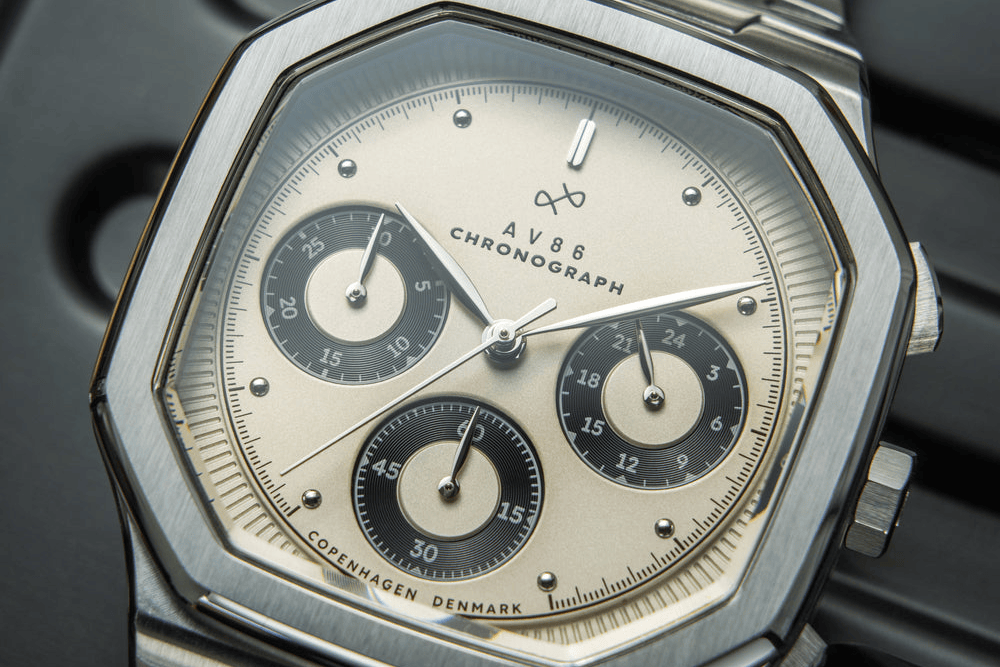
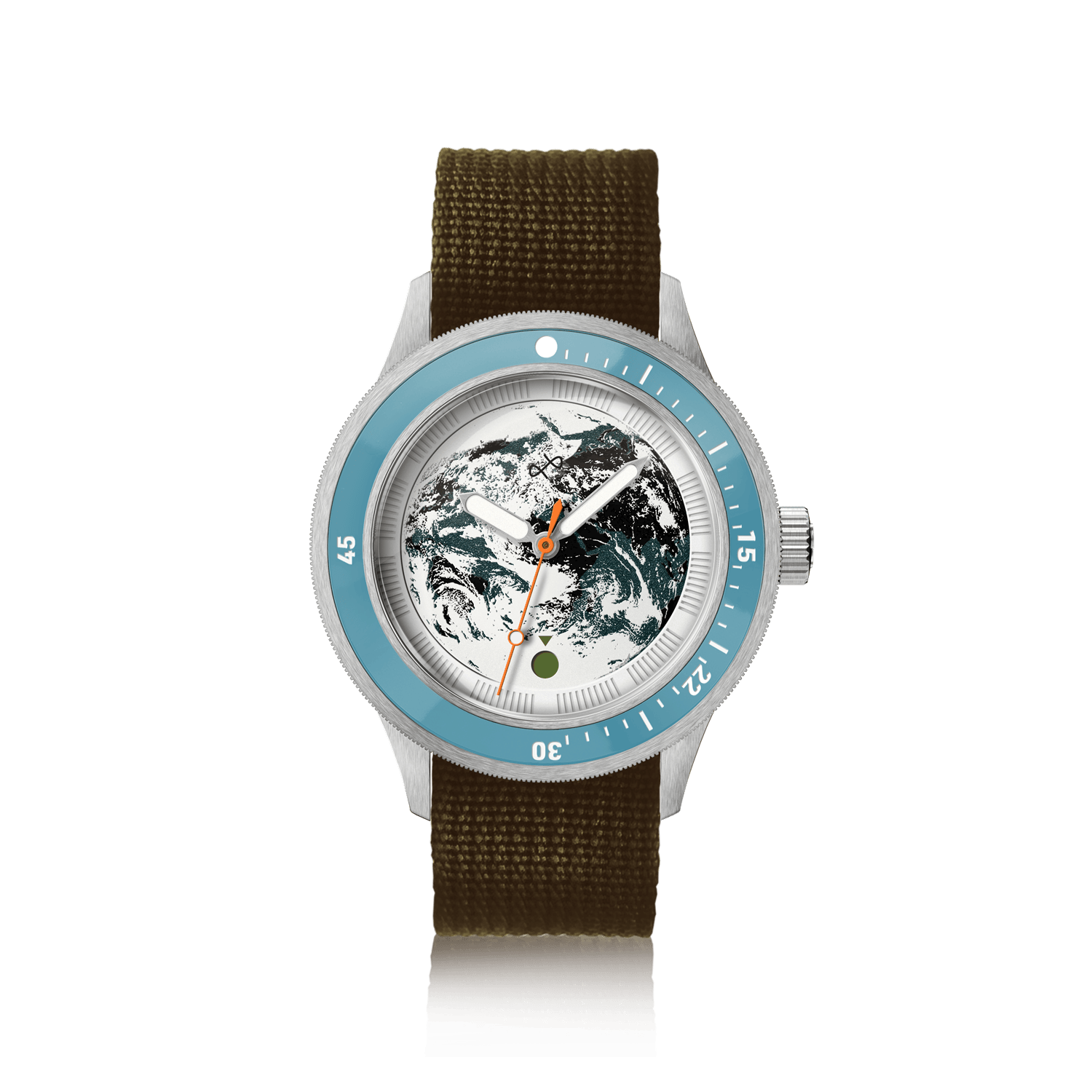
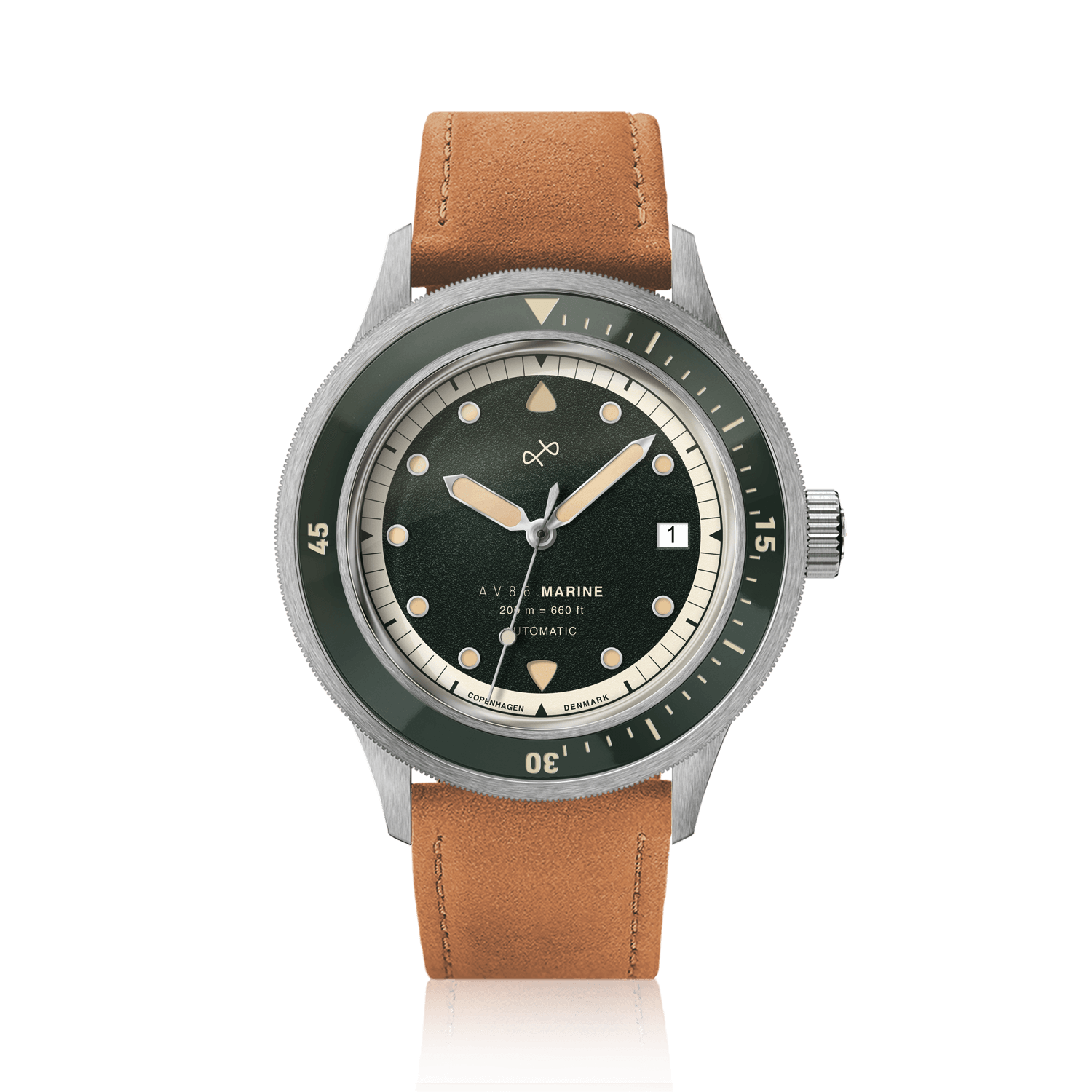
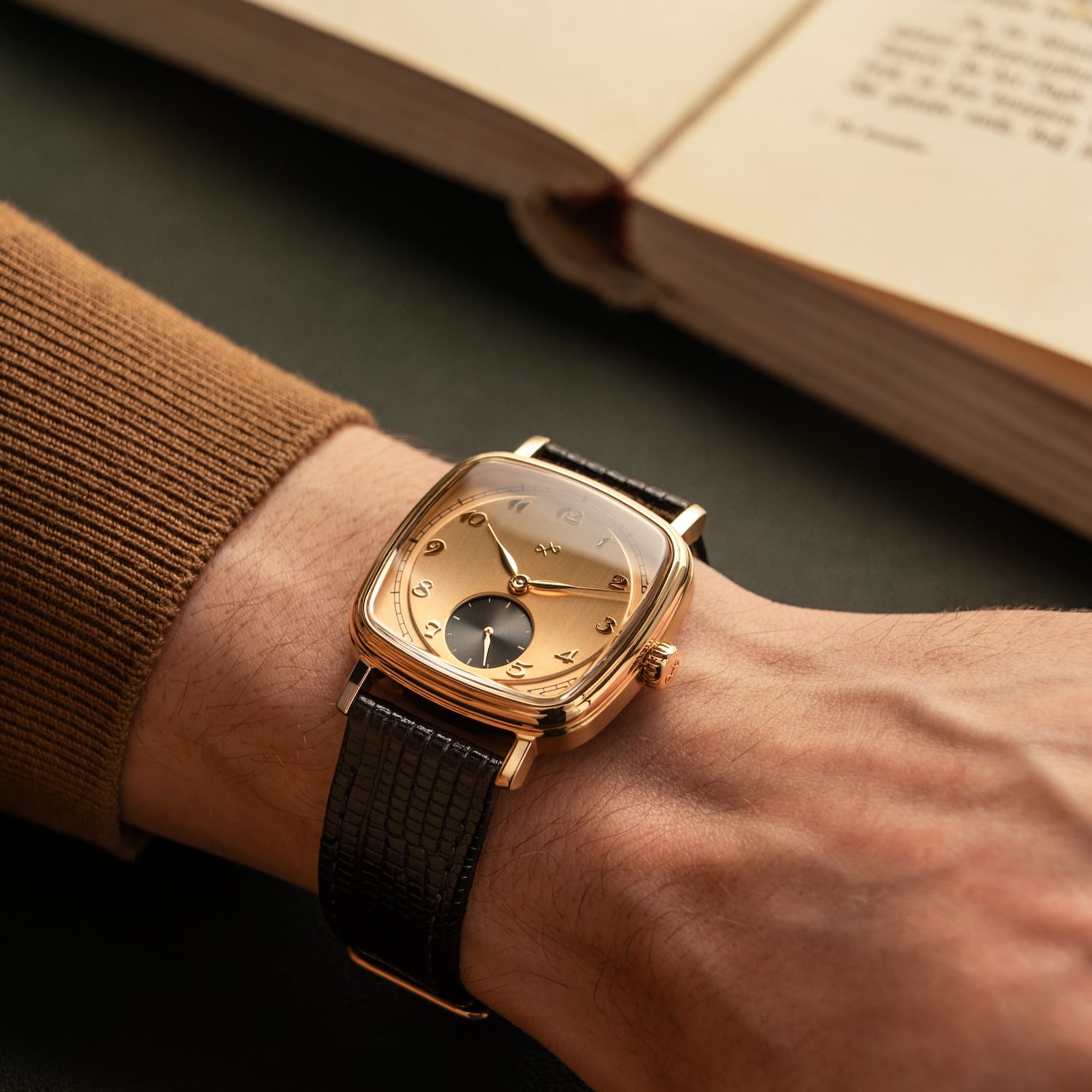
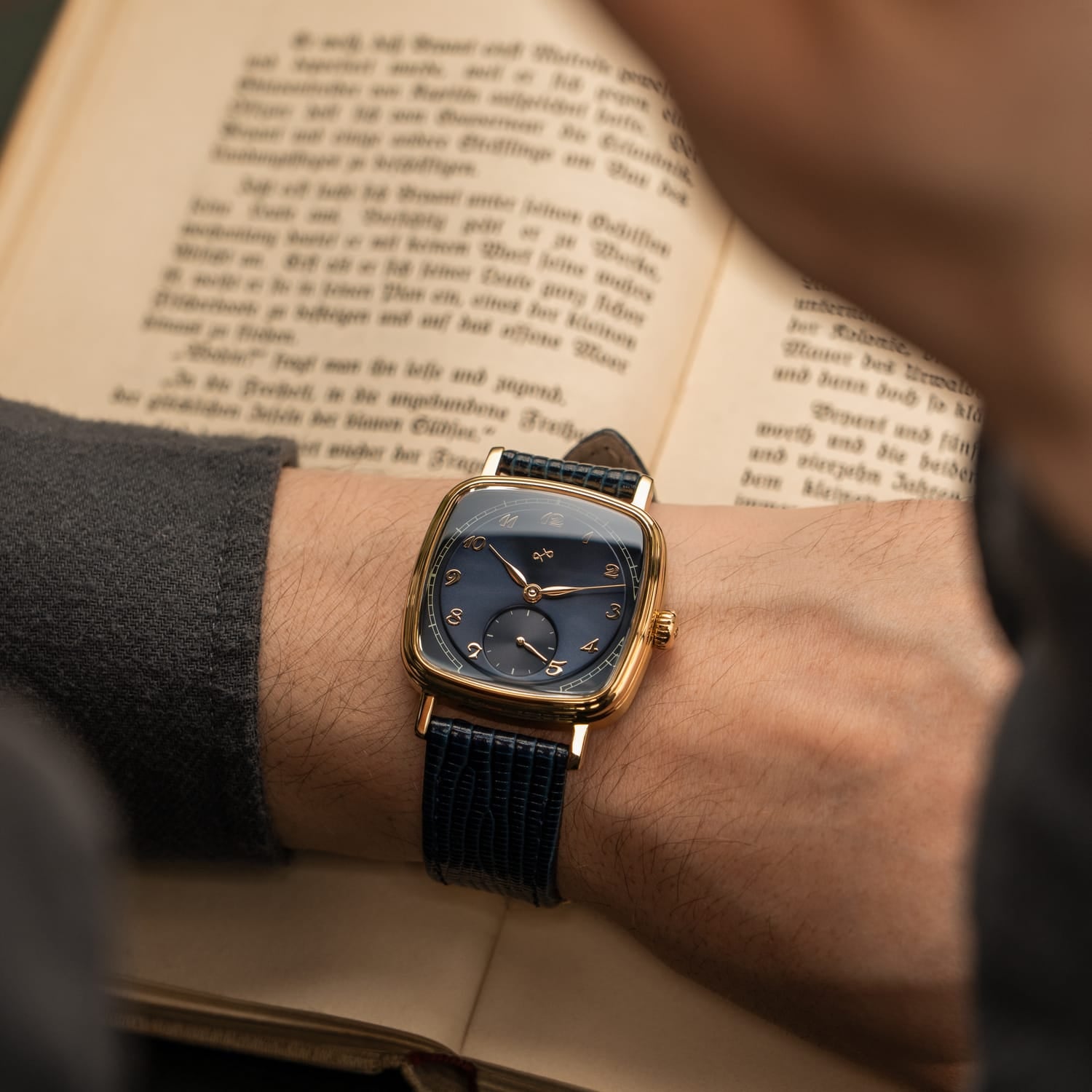
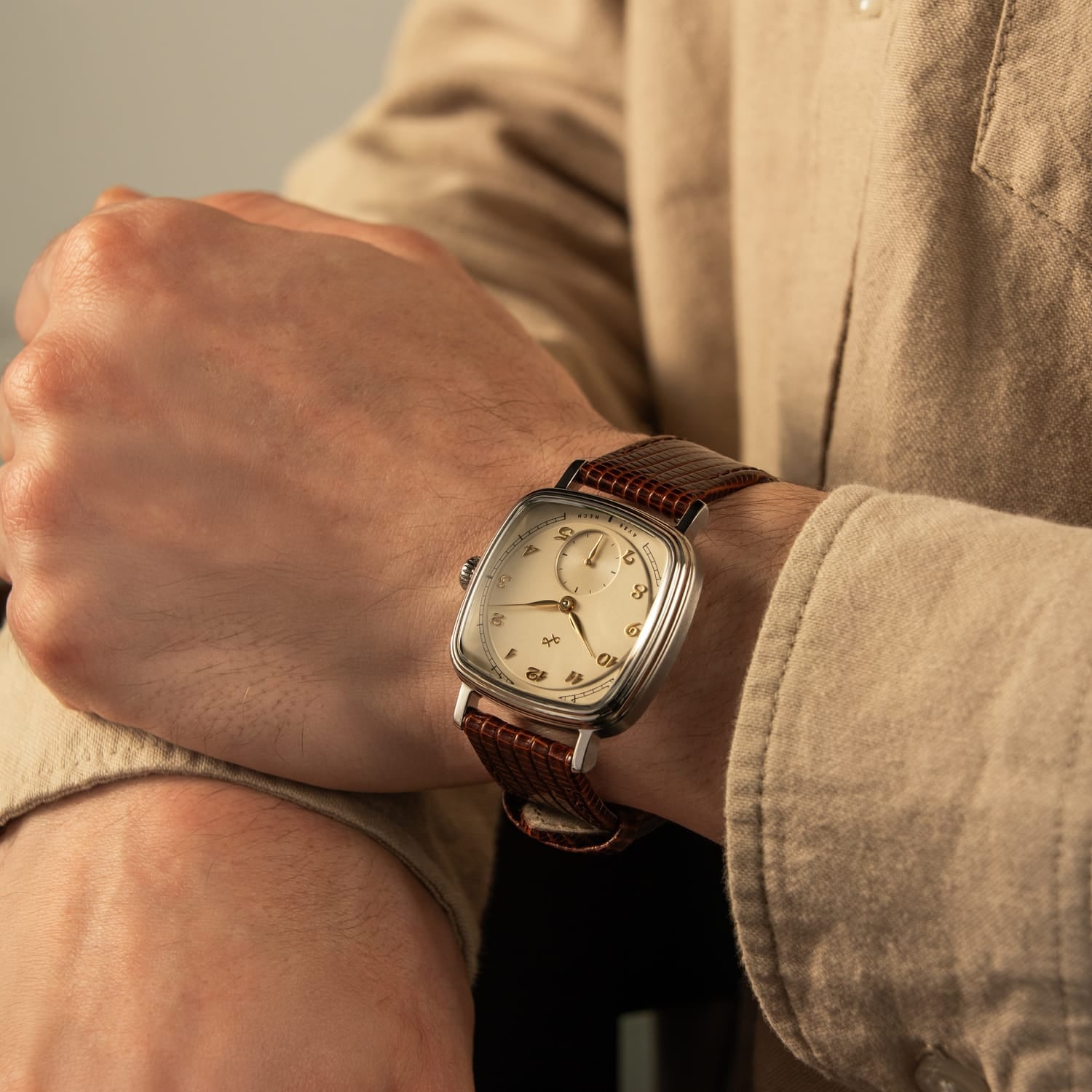
Wrist watches evolved from essential military tools into disciplined style statements that define the modern wardrobe. AV86 captures this transition by blending mid-century aesthetics with the reliability of modern mechanical components. These timepieces serve as functional instruments that respect the heritage of horology while meeting current standards of precision. By focusing on historical design cues and mechanical integrity, AV86 ensures each watch remains a timeless accessory for the discerning individual.
Precision measurements for the perfect case
Selecting the correct case diameter is fundamental to maintaining the vintage-inspired silhouette of a high-quality timepiece. Standard men’s watches typically feature cases ranging from 38mm to 44mm in diameter. However, enthusiasts seeking a classic aesthetic often prefer a 36mm profile for its traditional proportions. To find the ideal size, individuals should use a flexible measuring tape to determine their wrist circumference. A smaller profile of 26-34mm suits narrow wrists, while a case of 42mm or larger creates a bolder presence. Accurate measurement is necessary to ensure the lugs do not extend beyond the edge of the wrist. This precision preserves a polished look and prevents the timepiece from appearing disproportionate. A correctly sized case reflects a sophisticated understanding of scale and personal style.
Ensuring comfort through proper fitment
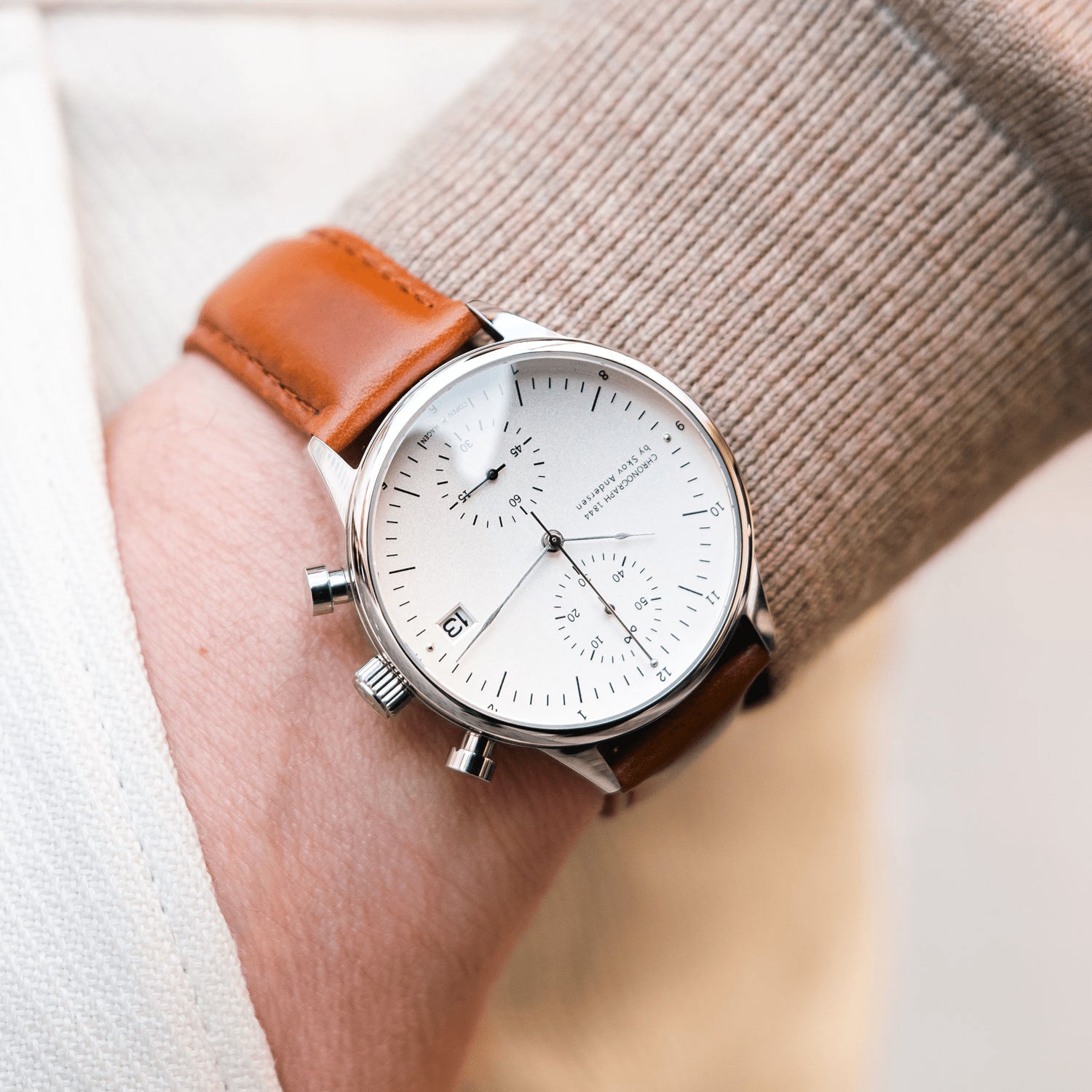
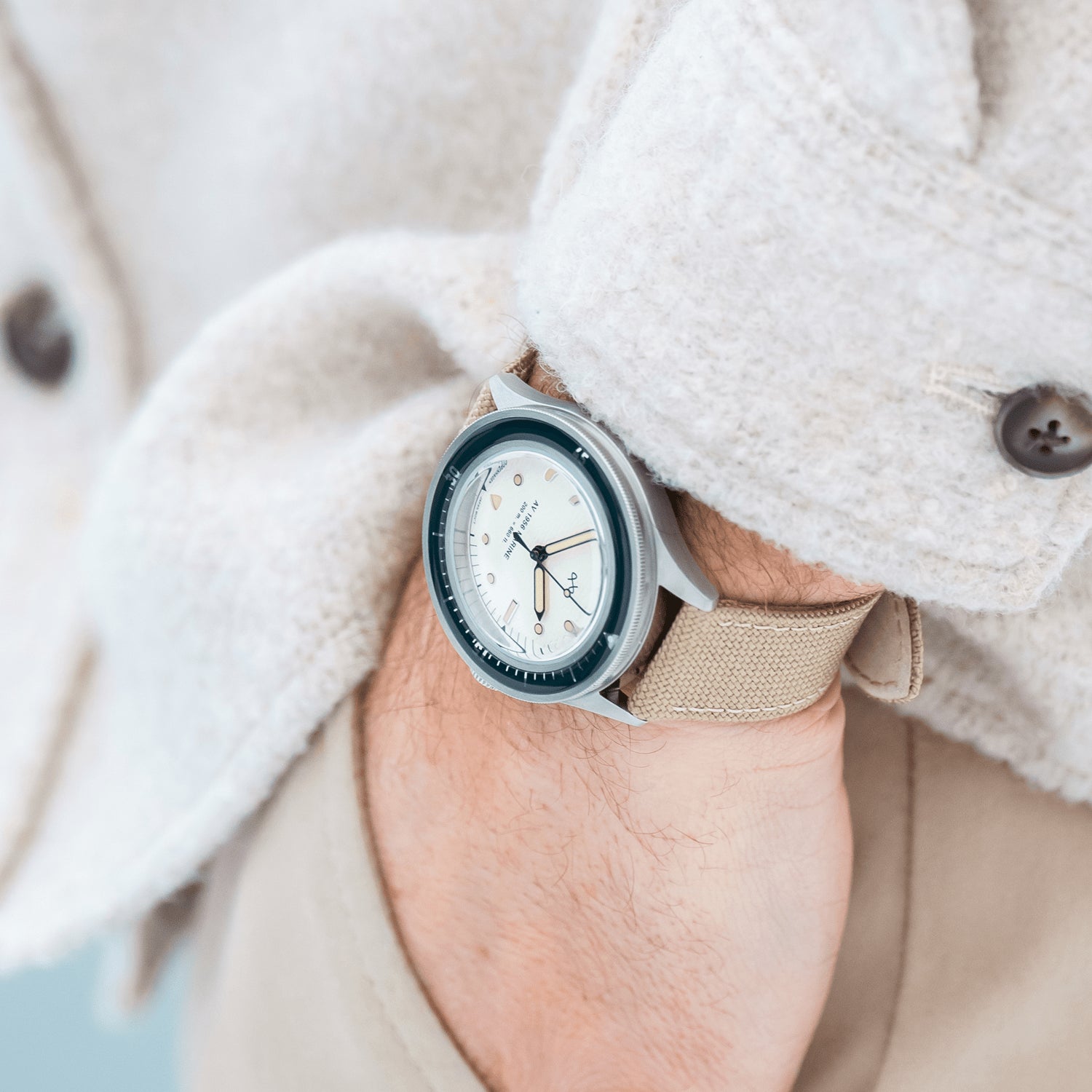
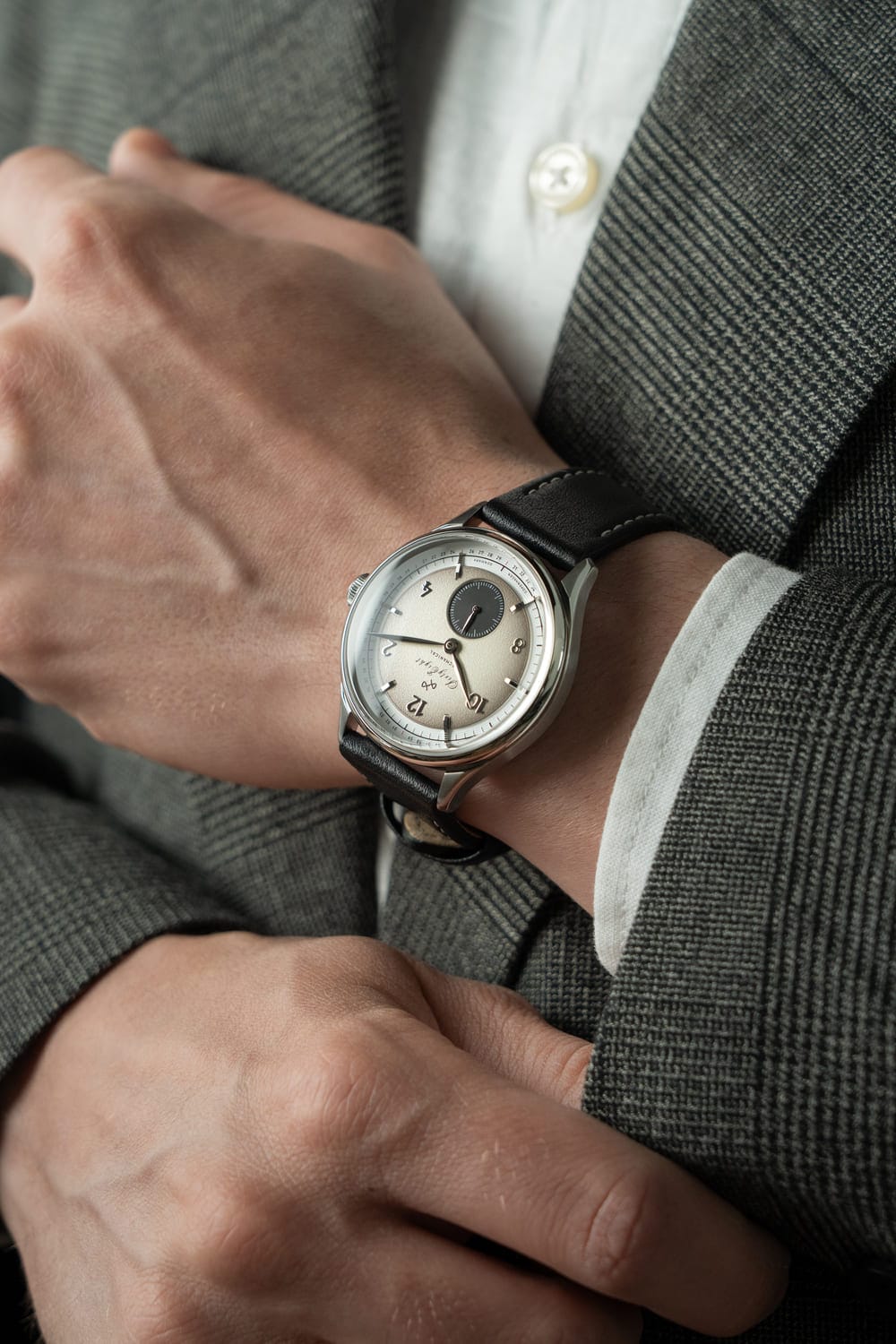
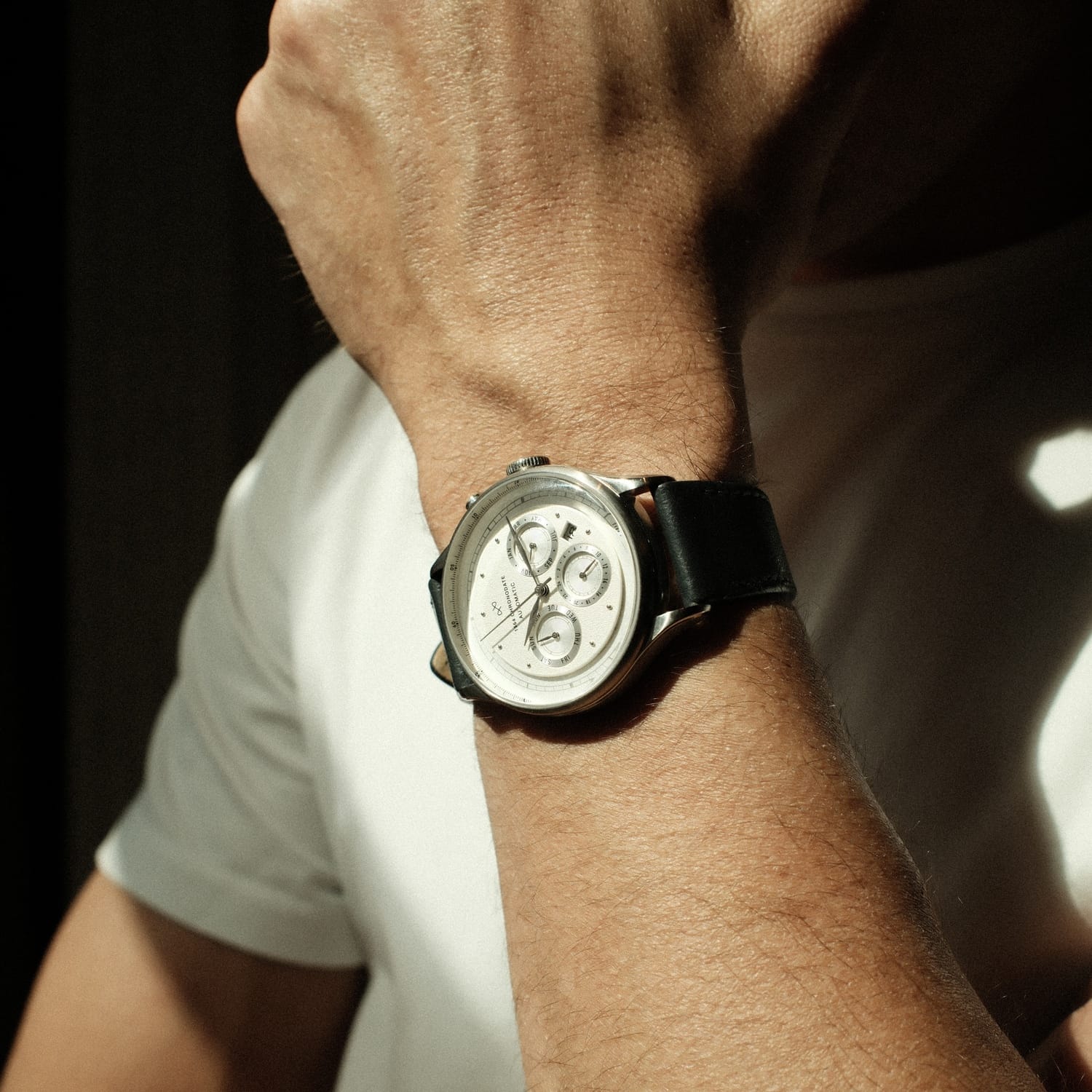
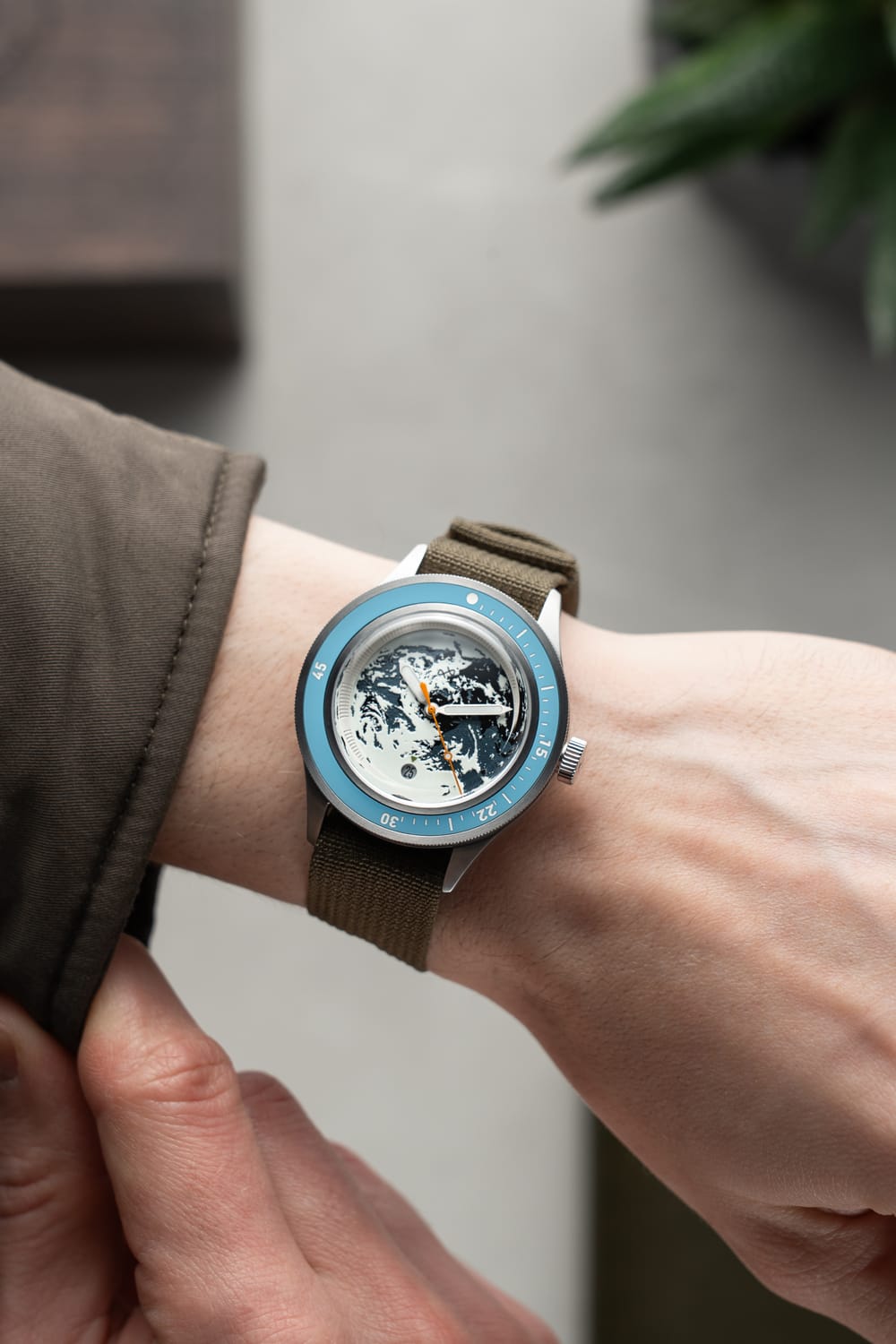
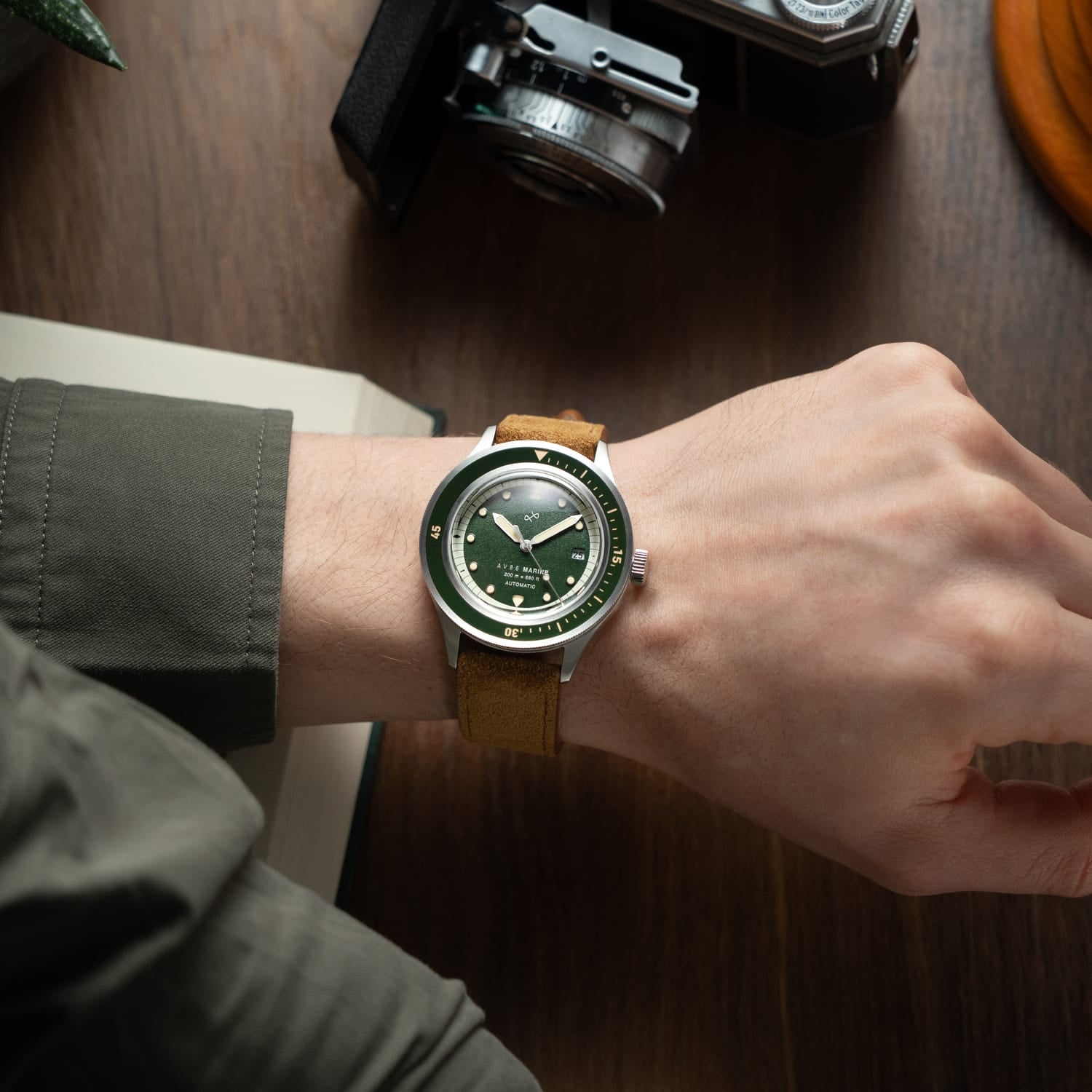
Proper placement ensures a timepiece rests just above the wrist bone to permit a full range of motion during movement. A well-fitted strap must be snug enough to prevent the case from rotating around the arm. However, it should remain loose enough to allow a single finger to slide underneath the material. This ergonomic balance prevents skin irritation and keeps the dial centered for easy legibility. AV86 designs prioritize this specific fitment to ensure mechanical watches remain functional throughout the day. A secure fit avoids excessive sliding during professional engagements or social gatherings. By attending to these details, the wearer maintains both physical comfort and a polished appearance. Constant adjustment of the case is unnecessary when the strap is tensioned correctly.
The history of non-dominant wrist placement
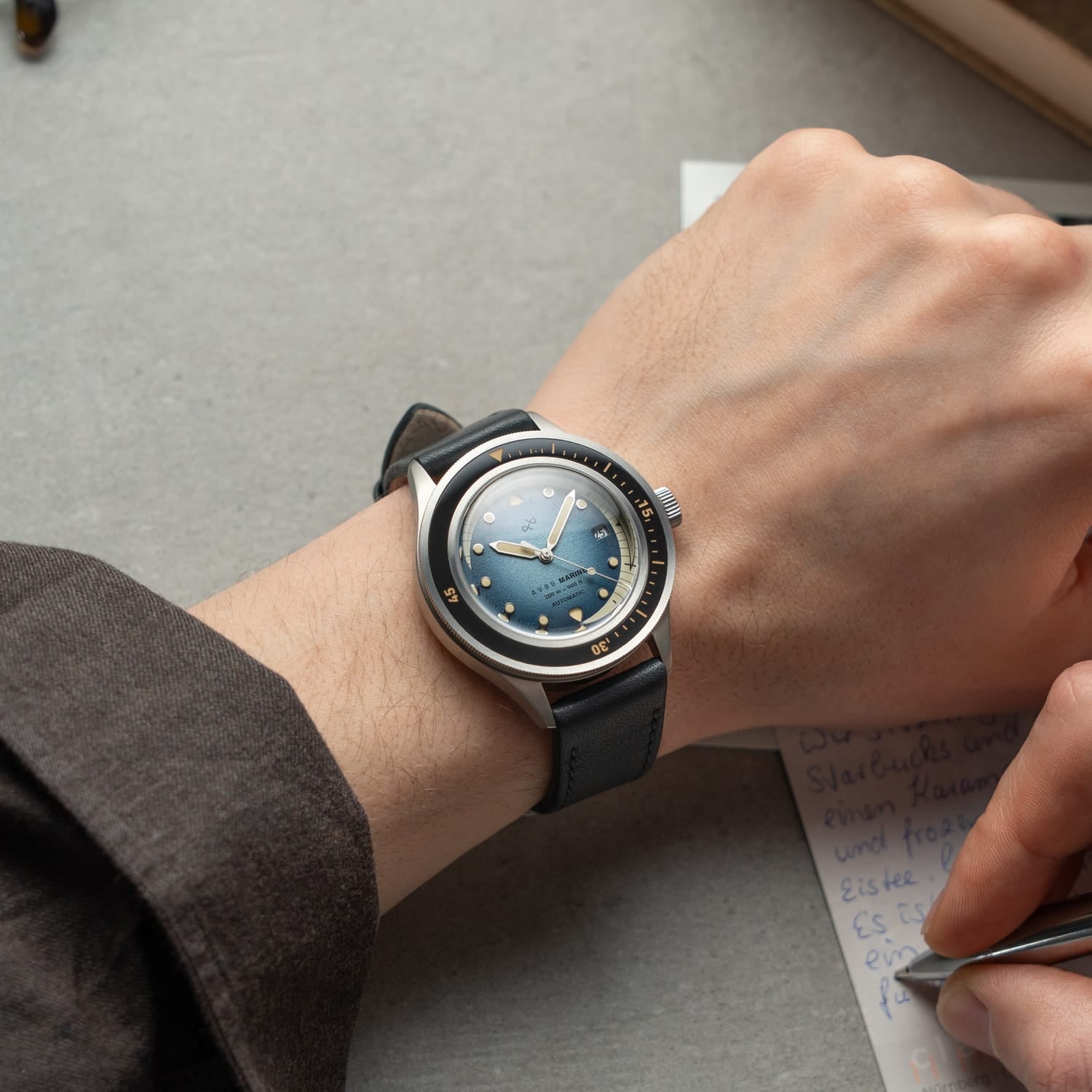
Tradition dictates wearing a timepiece on the non-dominant wrist to protect the sapphire crystal and stainless steel case from accidental impacts. This practice originated in military and pilot history to allow for easy crown adjustments using the dominant hand. Beyond simple tradition, this placement significantly reduces the risk of accumulating scratches on the bezel during daily manual tasks. Maintaining the instrument on the left arm—for right-handed individuals—provides a necessary shield against hard surfaces. This habit reflects the origin of the wristwatch as a specialized tool designed for rugged environments and professional use. By positioning the watch on the non-dominant side, the wearer preserves the finish and structural integrity of the piece over time. This historical convention remains a hallmark of practical horological etiquette in modern settings.
The mechanical soul of automatic movements
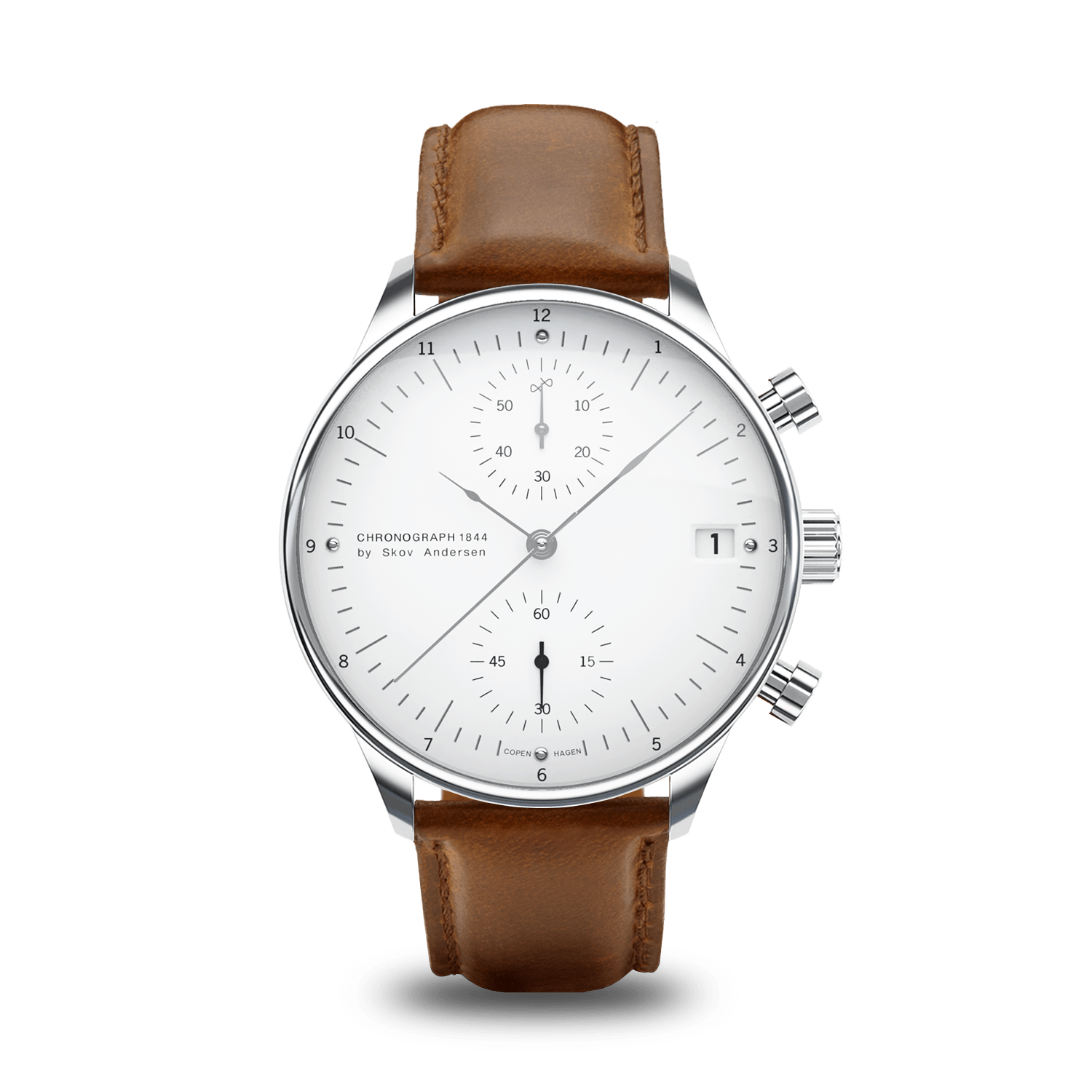
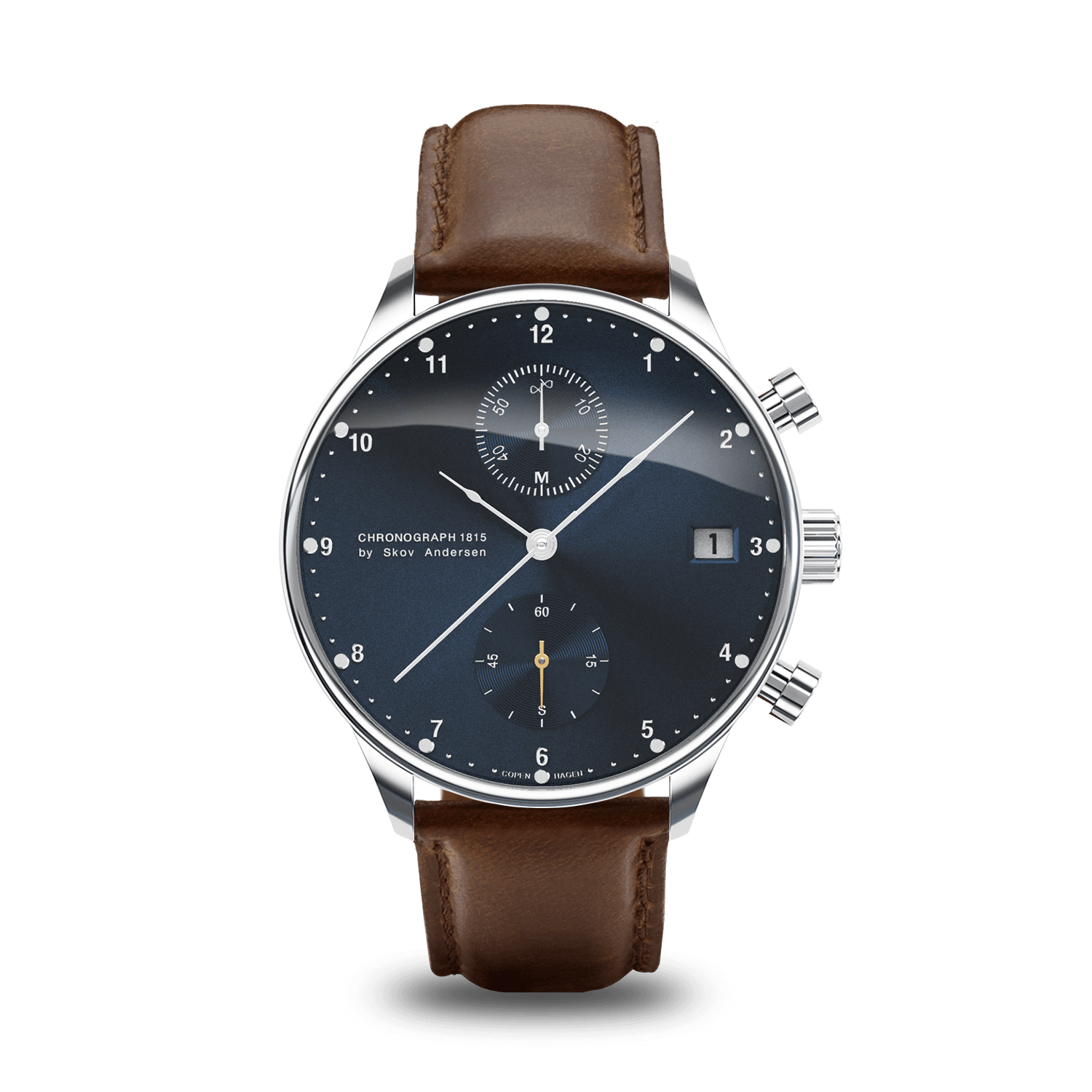
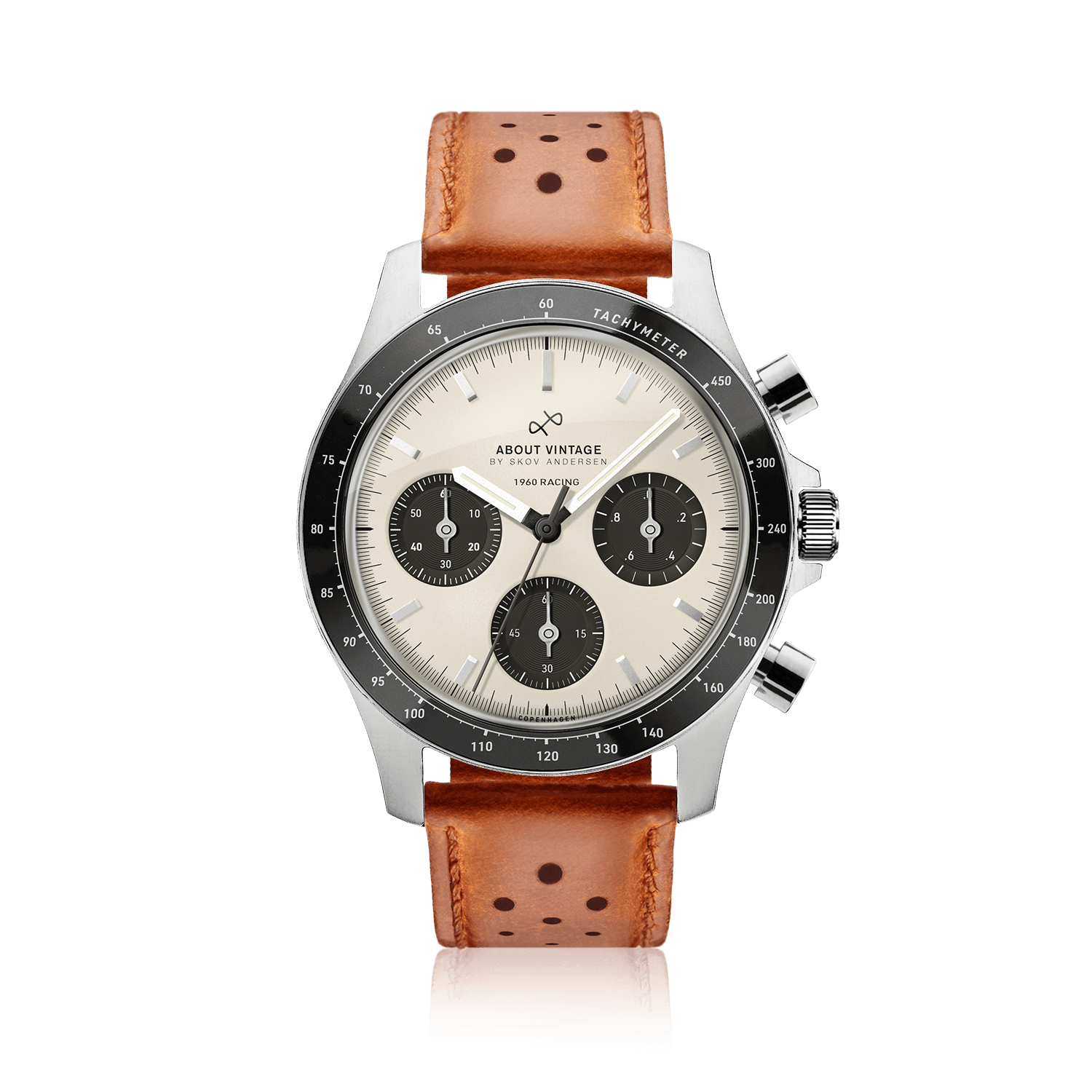
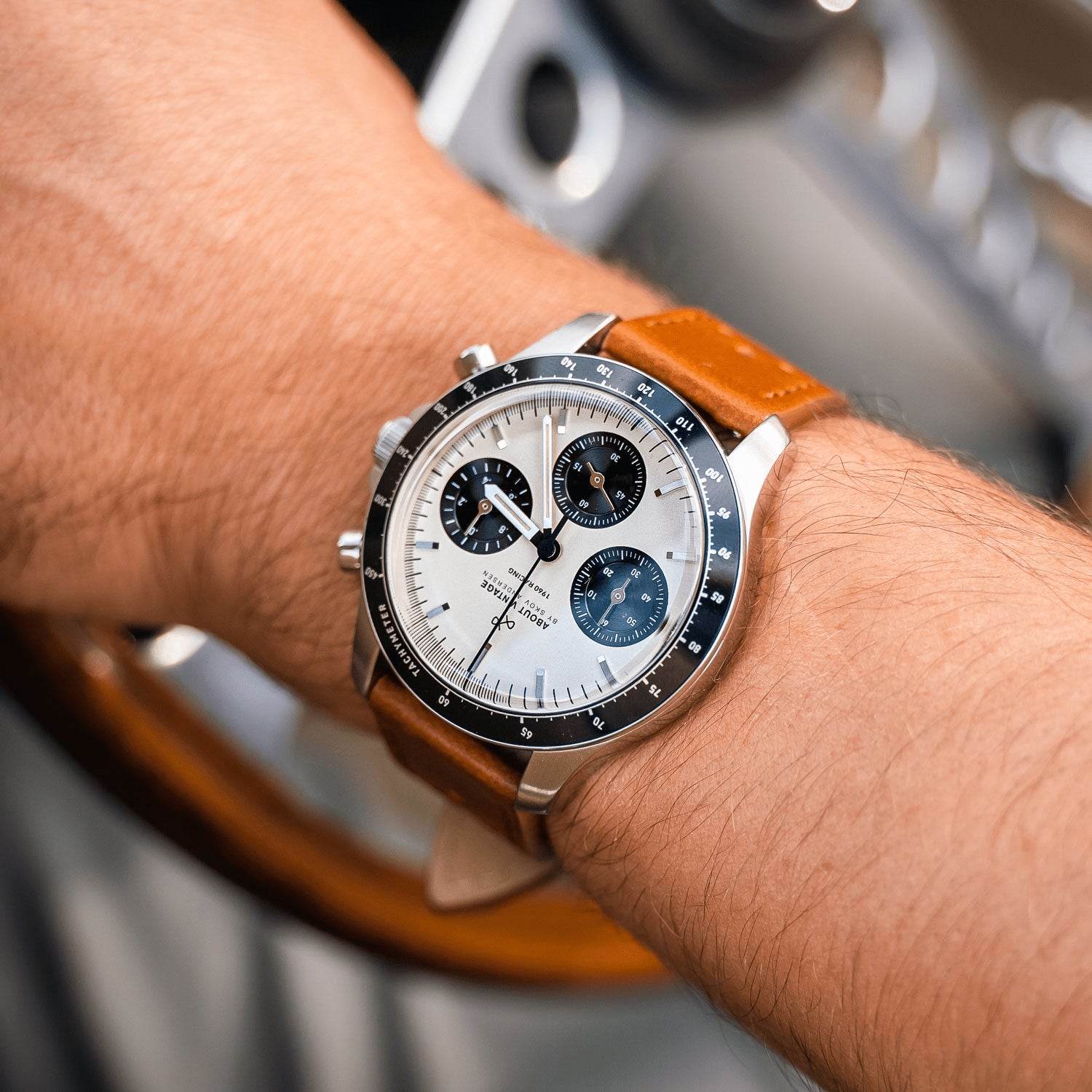
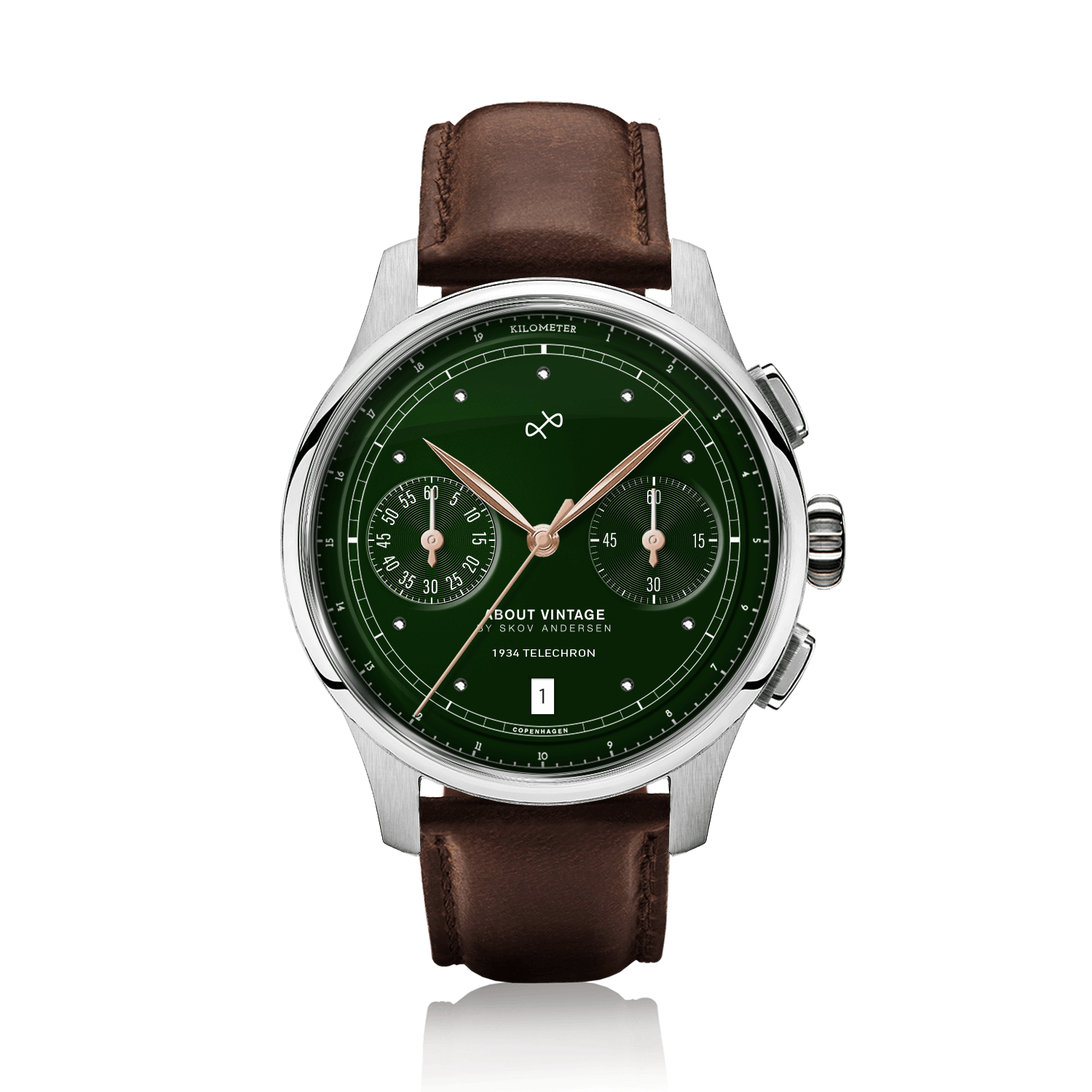
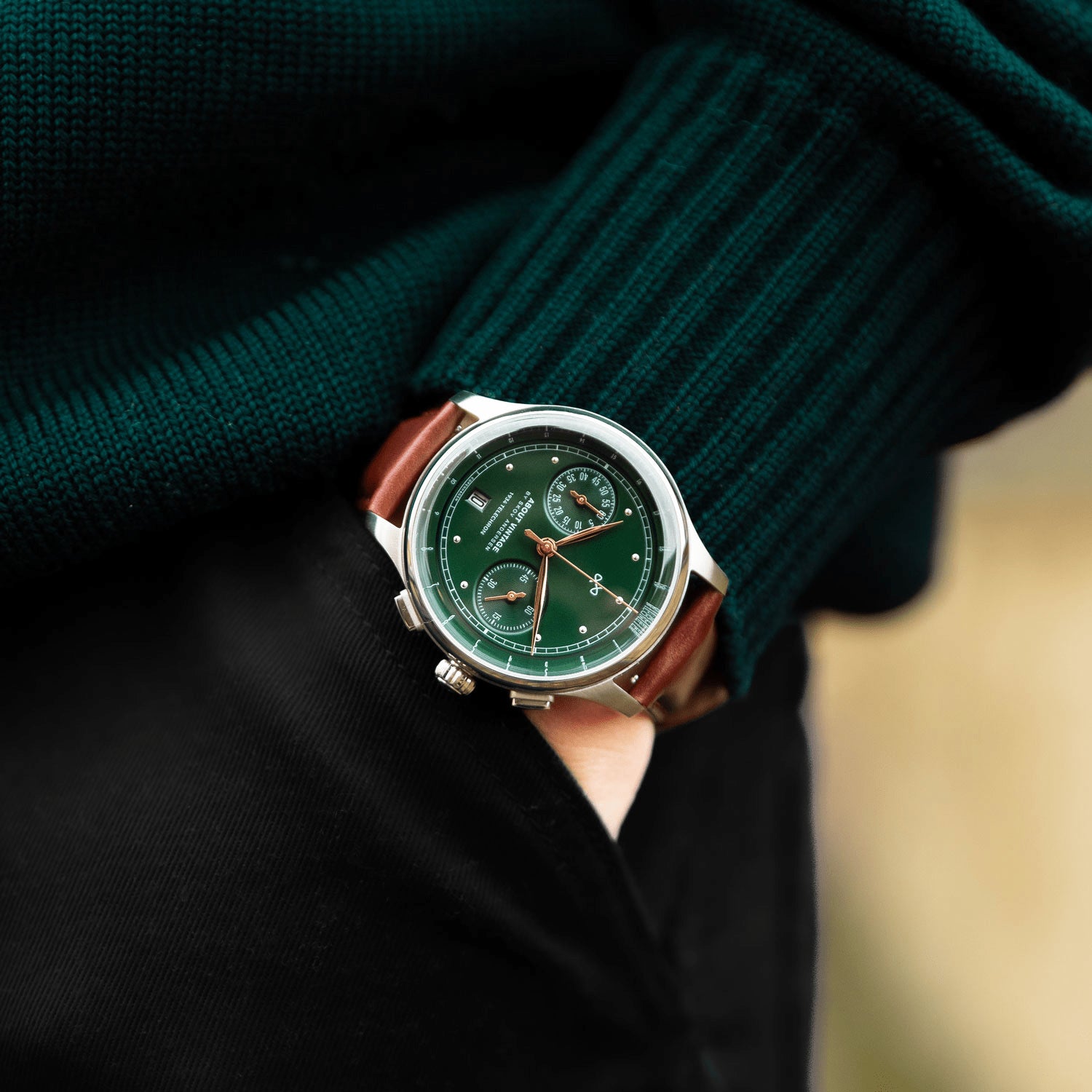
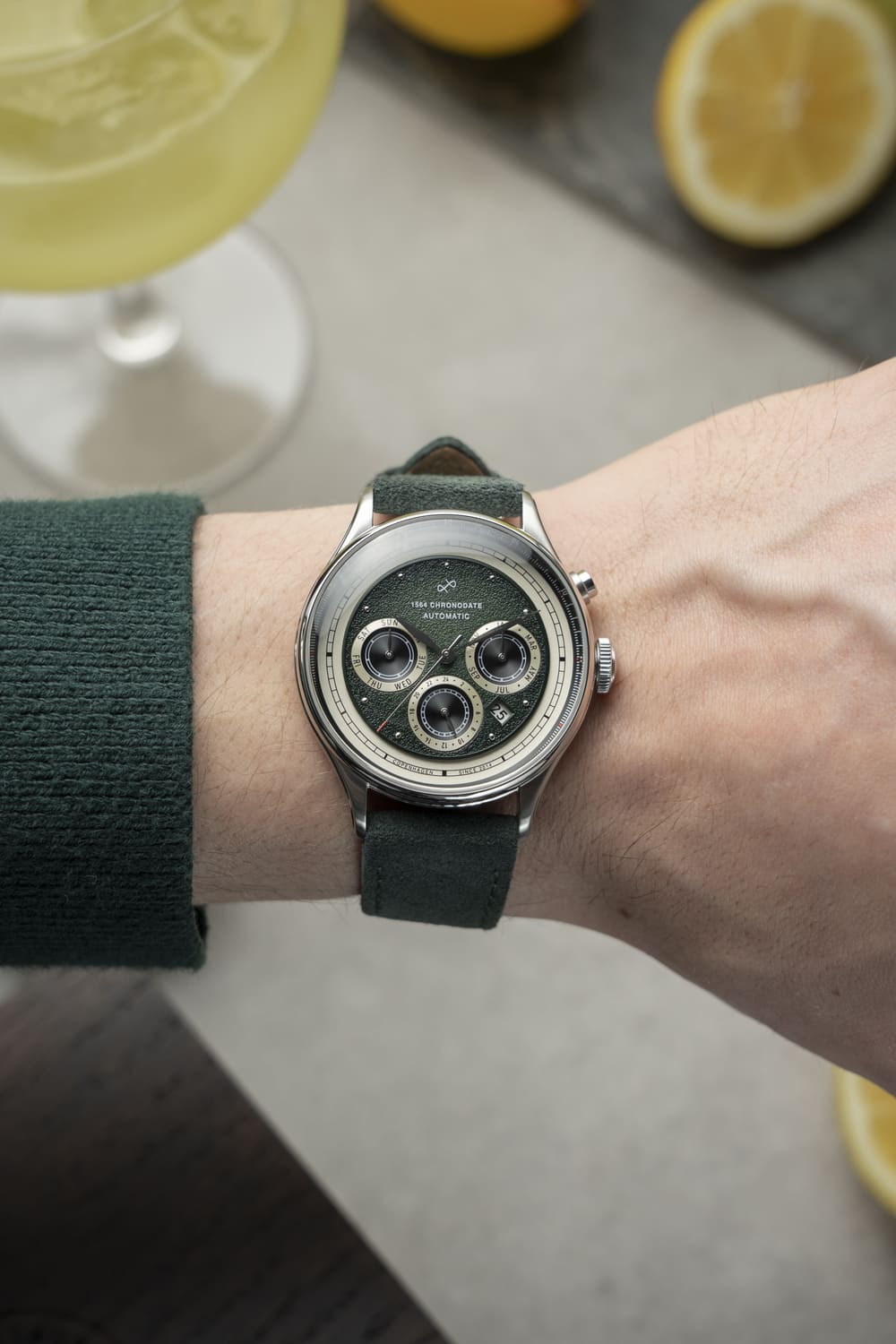
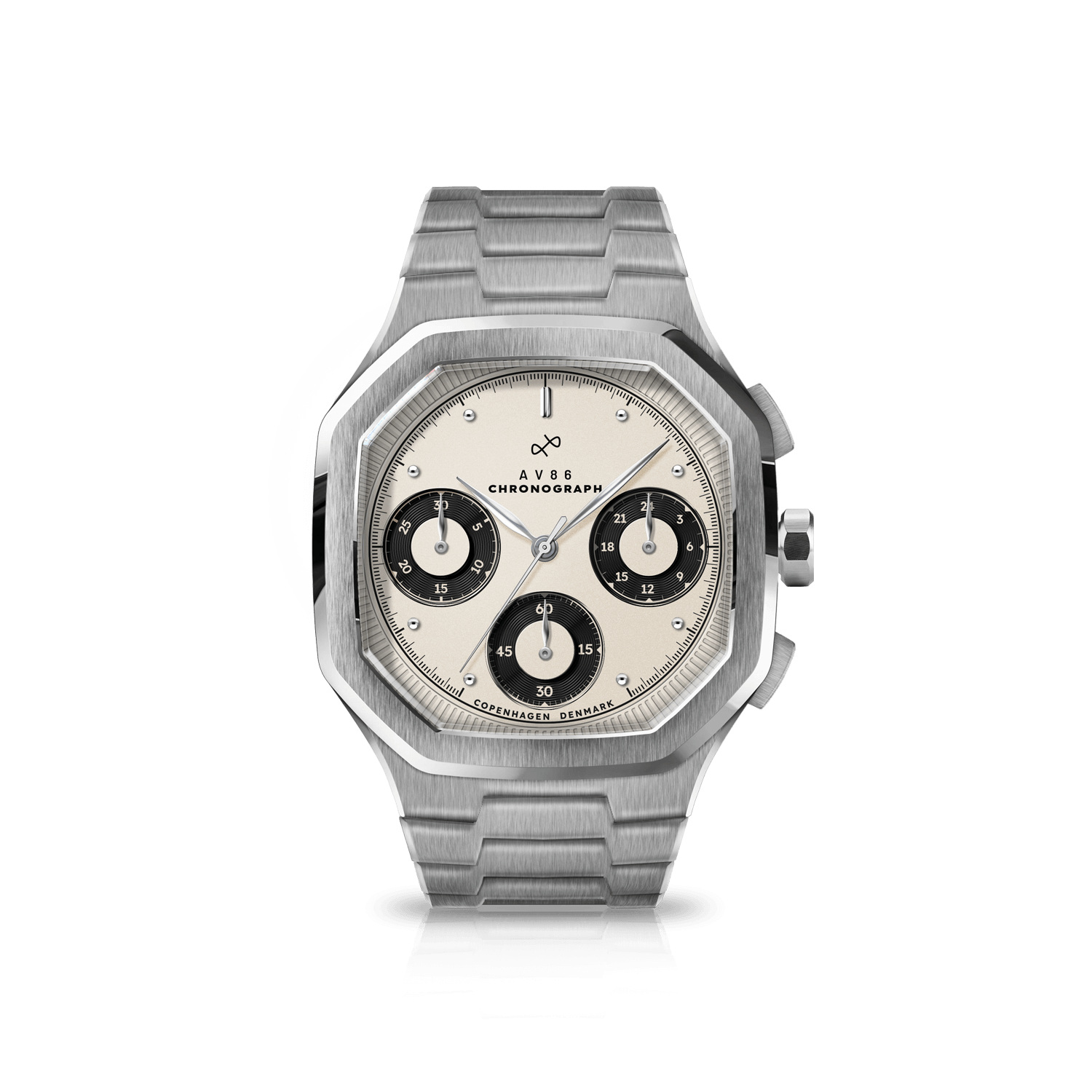
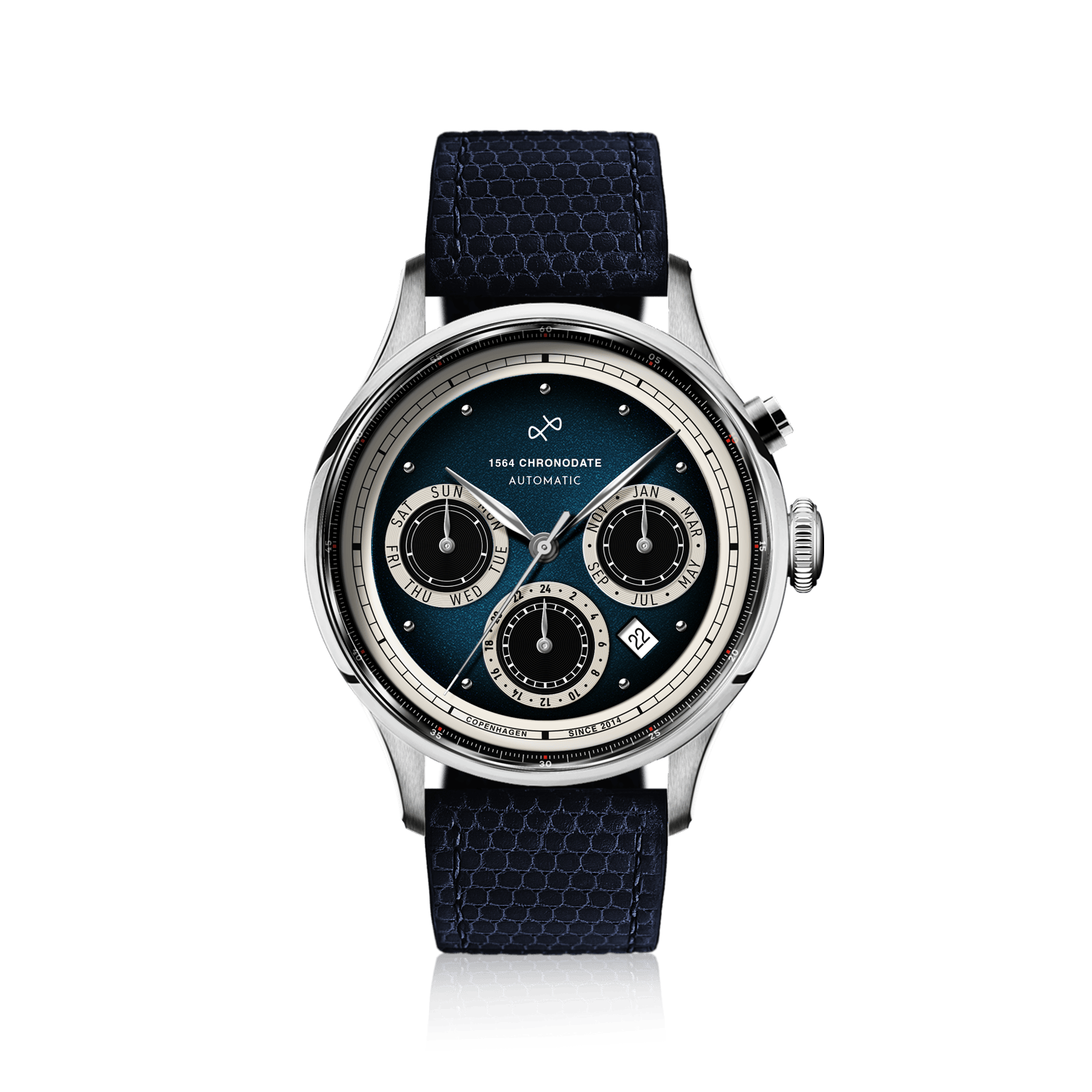
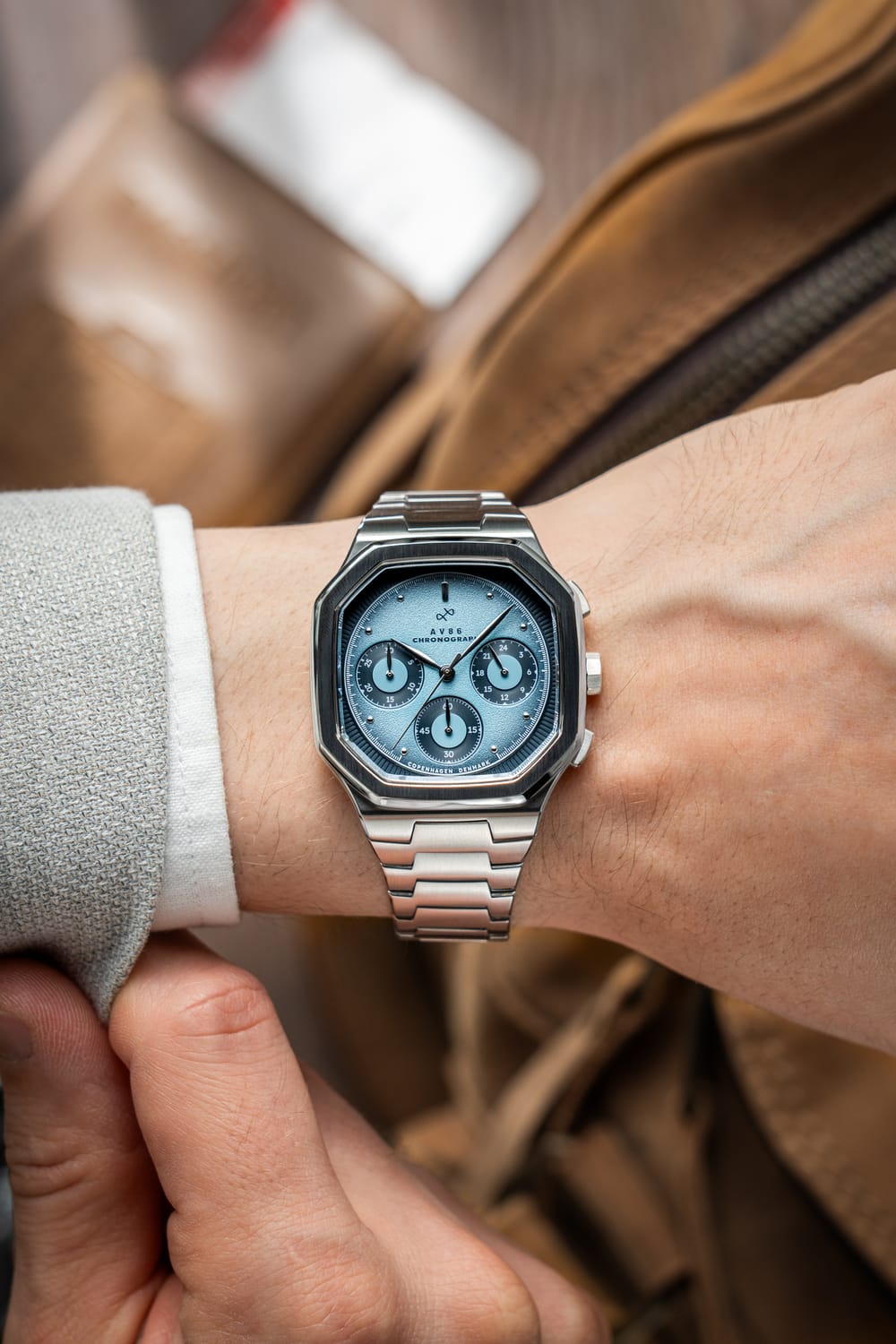
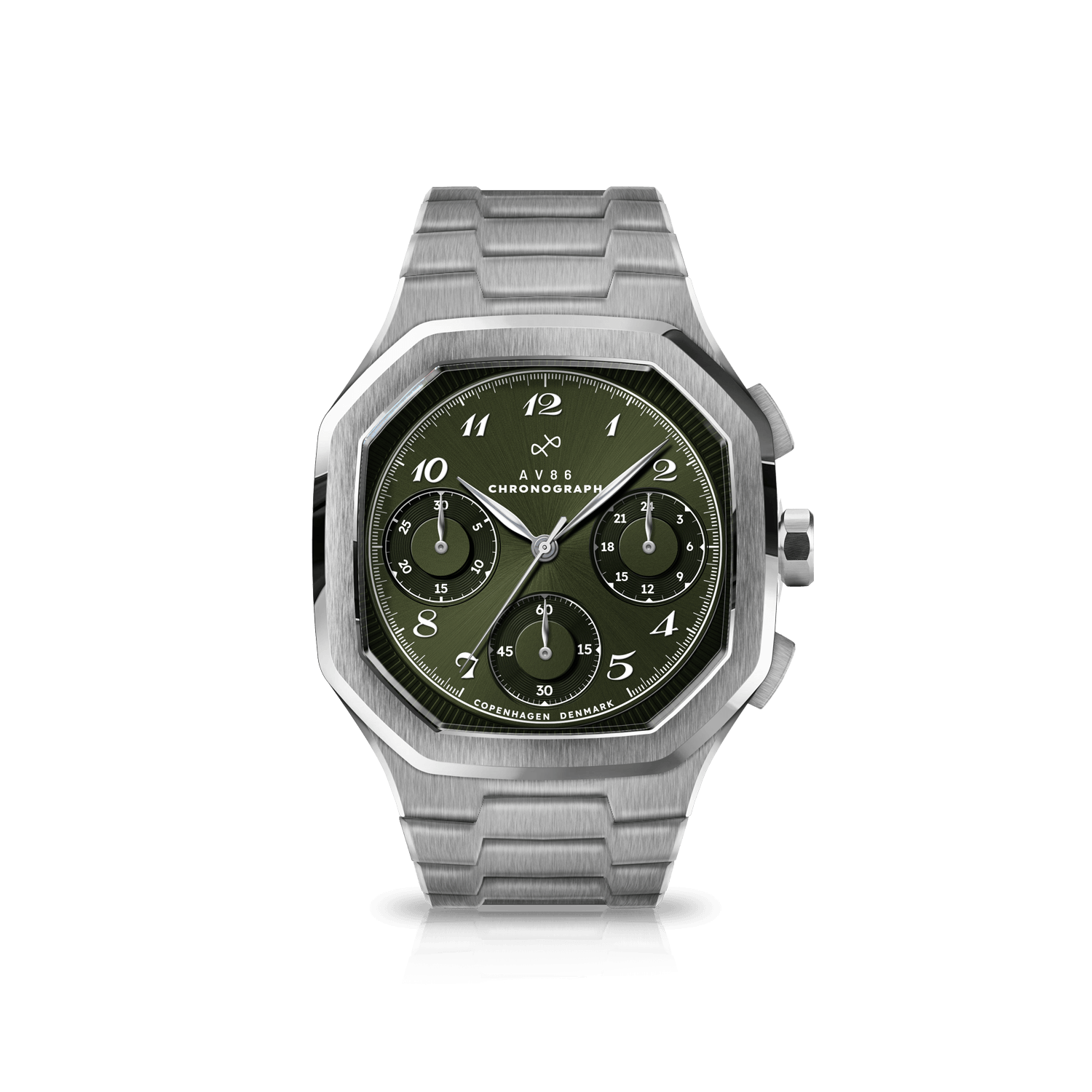
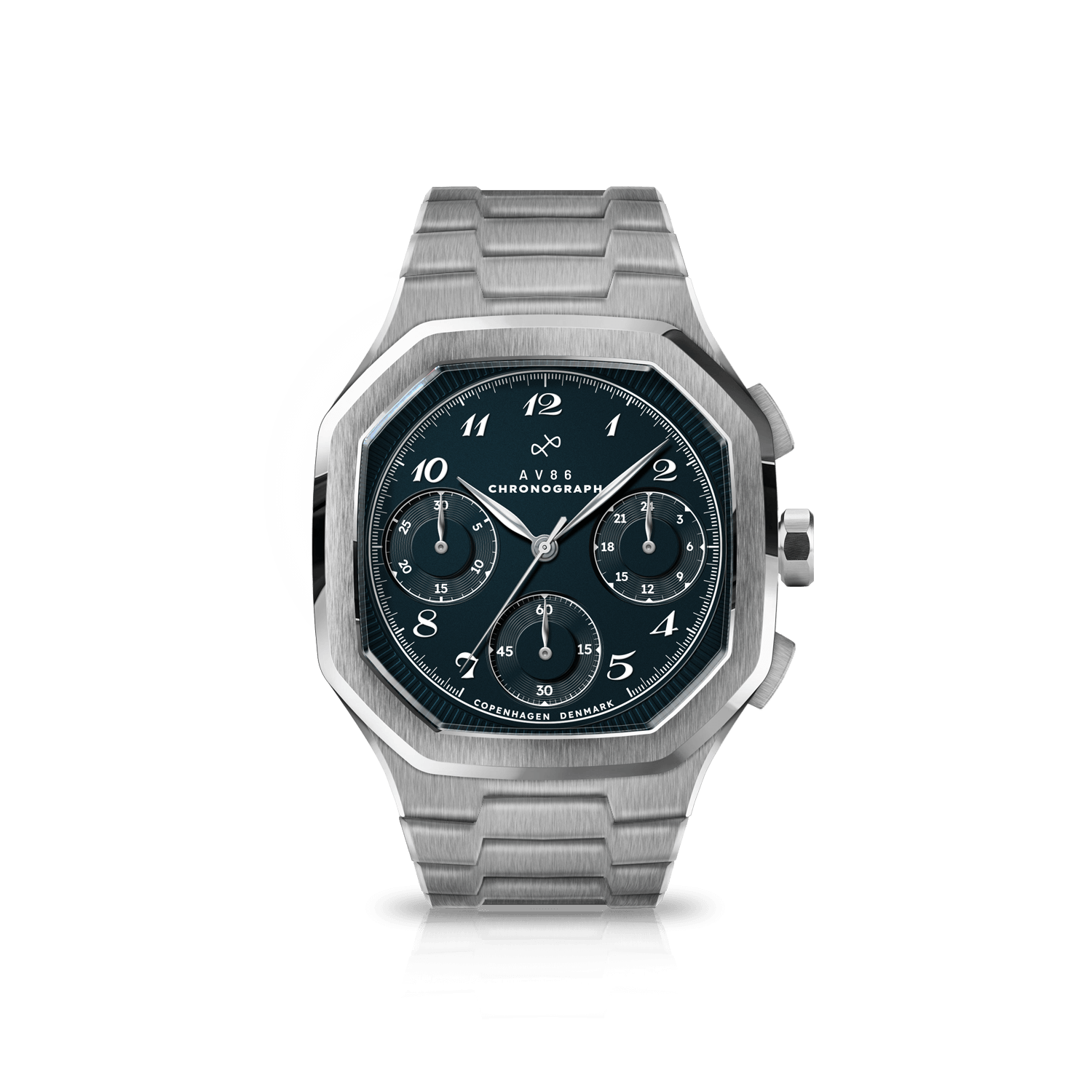
The distinction between mechanical and electronic movements defines the fundamental horological character of a fine watch. Automatic watches are particularly prized for harnessing kinetic energy through a weighted rotor that winds the mainspring. This traditional architecture eliminates the need for batteries and ensures the timepiece remains powered through the natural motion of the wearer. Automatic movements provide a continuous sweep of the seconds hand, which serves as a visual indicator of mechanical assembly. AV86 focuses on these internal systems to maintain a connection to historical watchmaking techniques. Furthermore, technical complications such as chronograph watches add significant utility to a collection. These instruments utilize two or three subdials to function as a built-in stopwatch for measuring elapsed time. Such features highlight the intricate engineering required for high-quality assembly and precision timekeeping in various professional contexts.
Industrial strength with 316L stainless steel
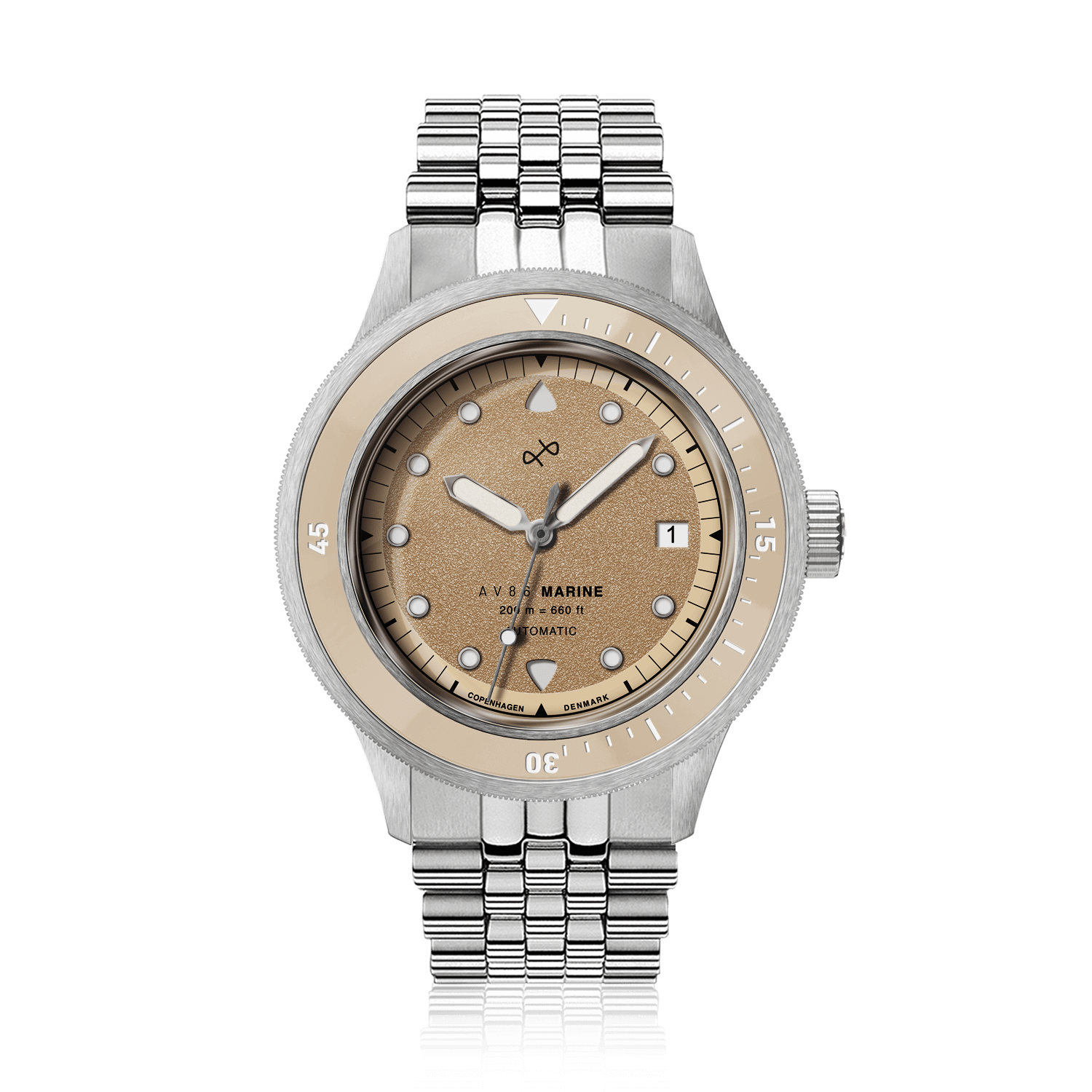
Material selection significantly impacts the longevity and visual appeal of a wristwatch. AV86 utilizes 316L stainless steel as the primary material for its superior corrosion resistance and lasting structural integrity. While metal bracelets offer a classic and enduring look, leather straps provide a softer finish that conforms to the wrist over time. For individuals engaged in more active pursuits, silicone and rubber options offer flexibility and moisture resistance. Technical specifications, such as 10ATM water resistance, ensure the internal movement remains protected against dust and liquid during swimming or daily wear. This protection is further supported by durable gaskets and screw-down crowns that maintain the seal of the case. By combining high-grade materials with precise manufacturing, AV86 creates timepieces capable of withstanding the rigors of frequent use while retaining their aesthetic value and mechanical reliability for years to come.
Choosing between dive and dress watches
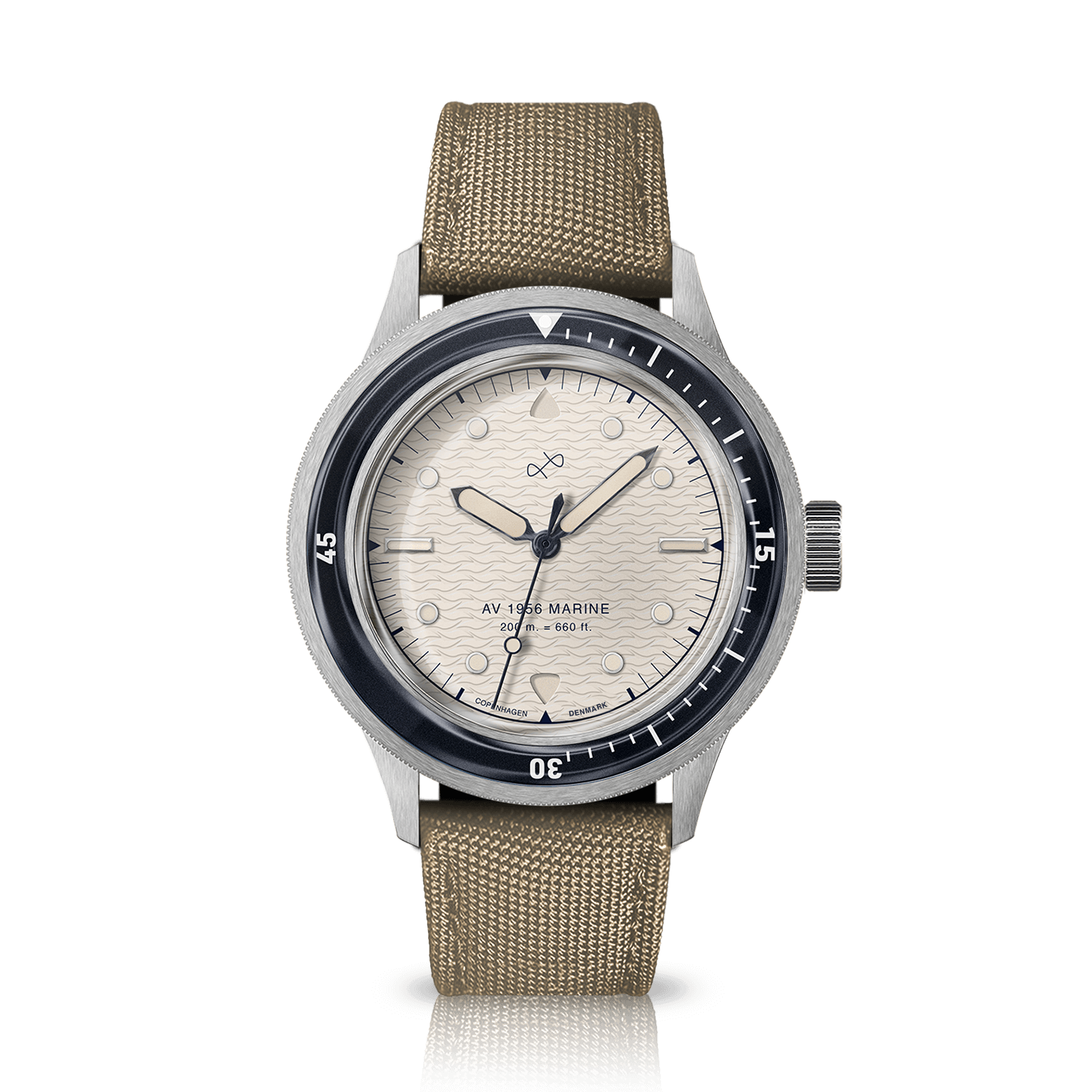
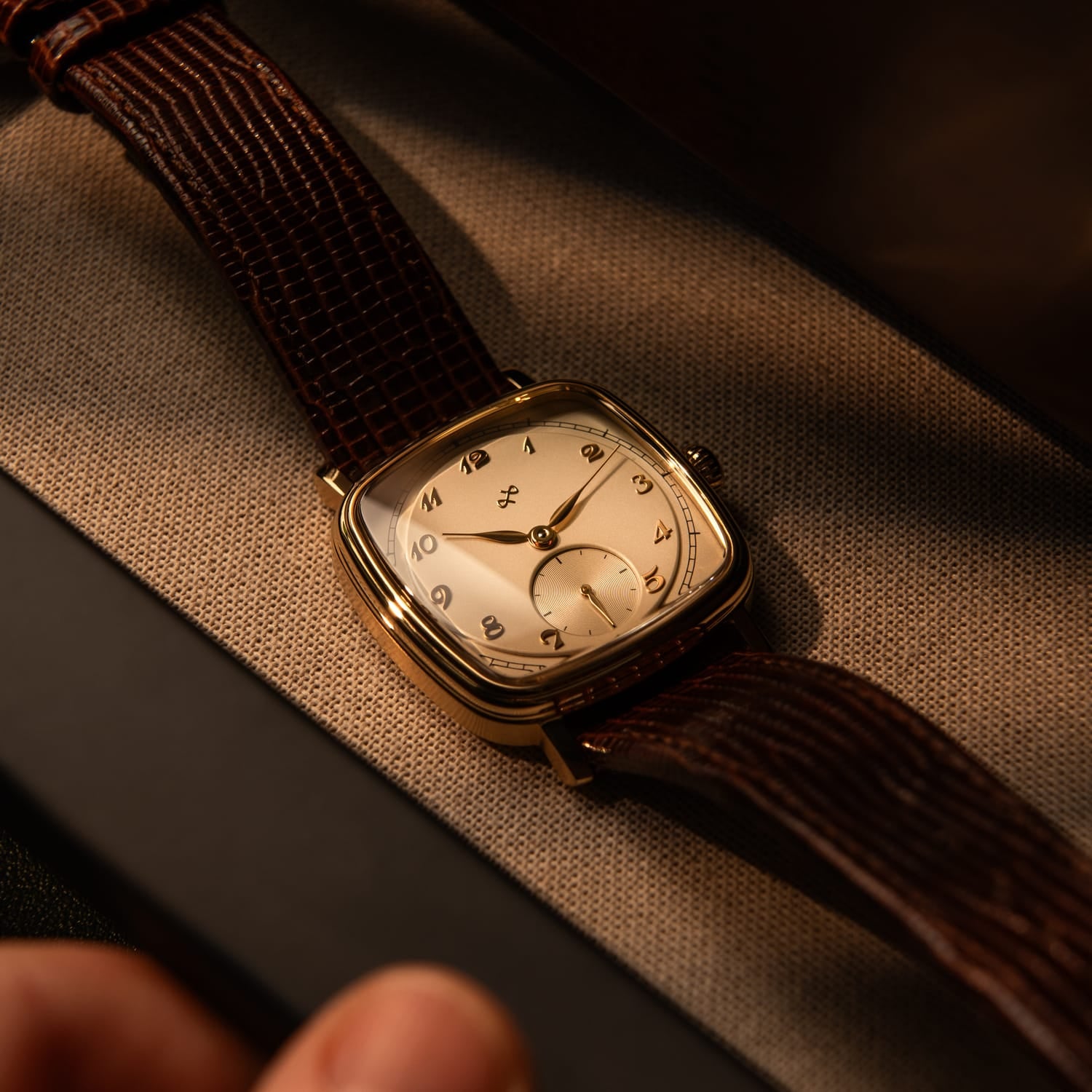
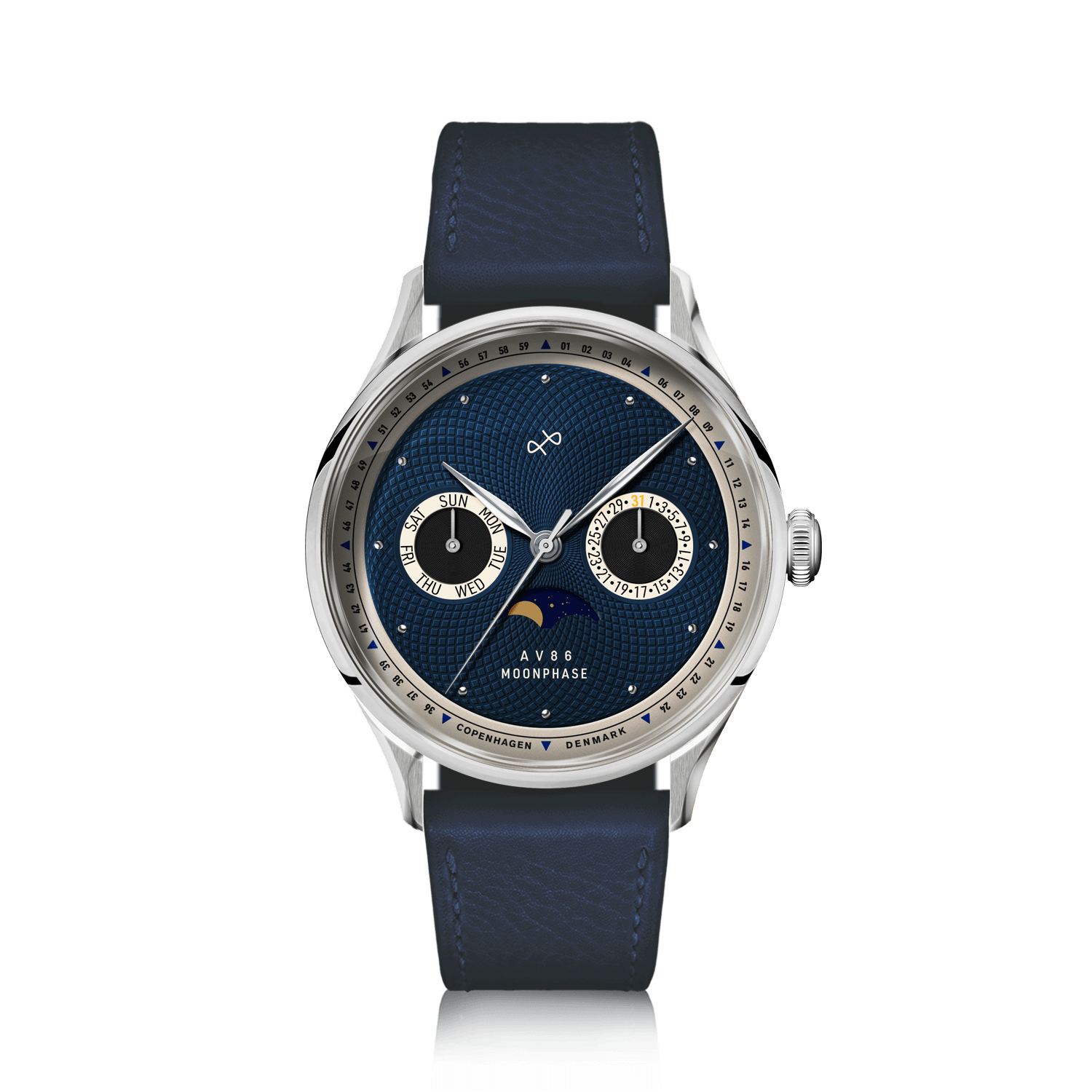
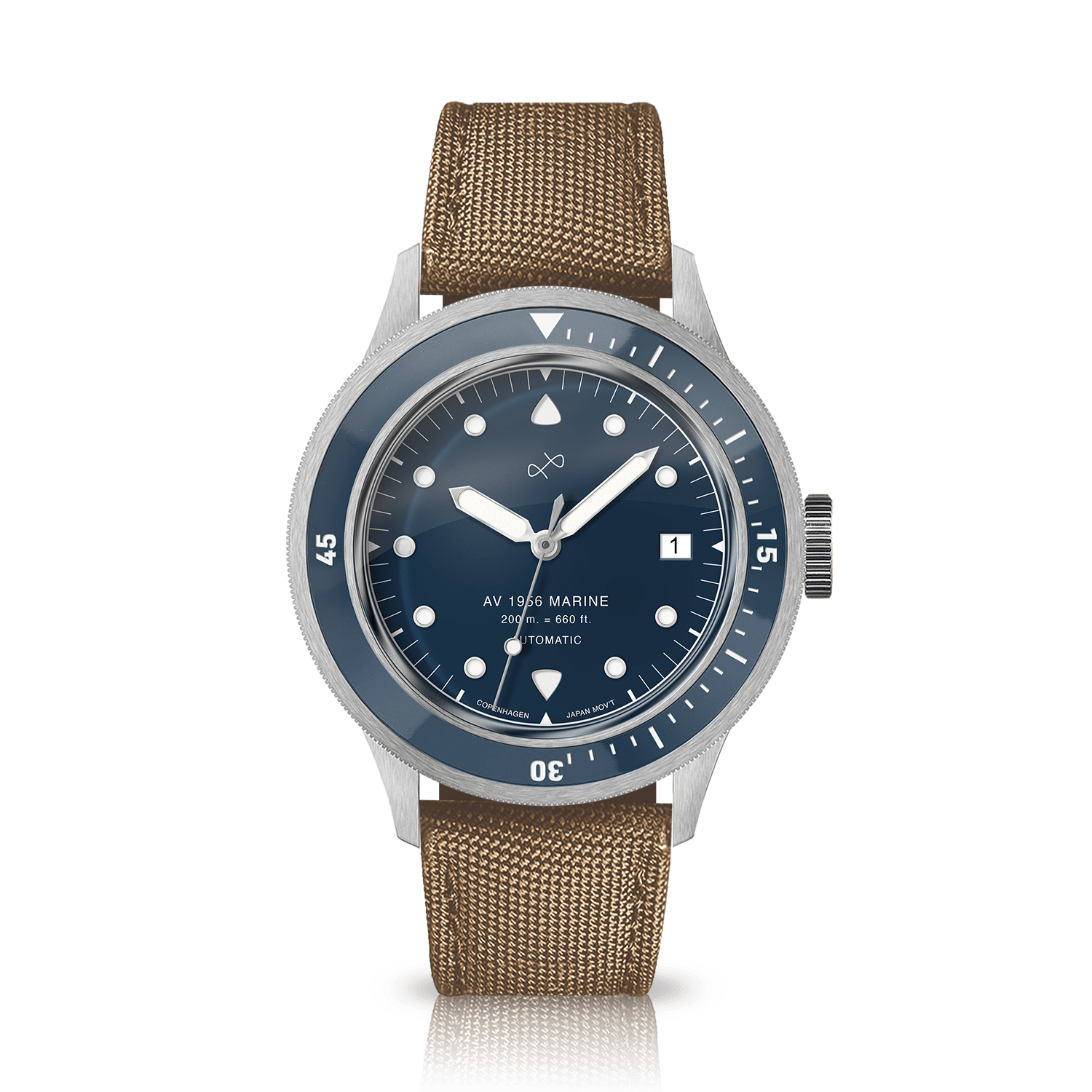
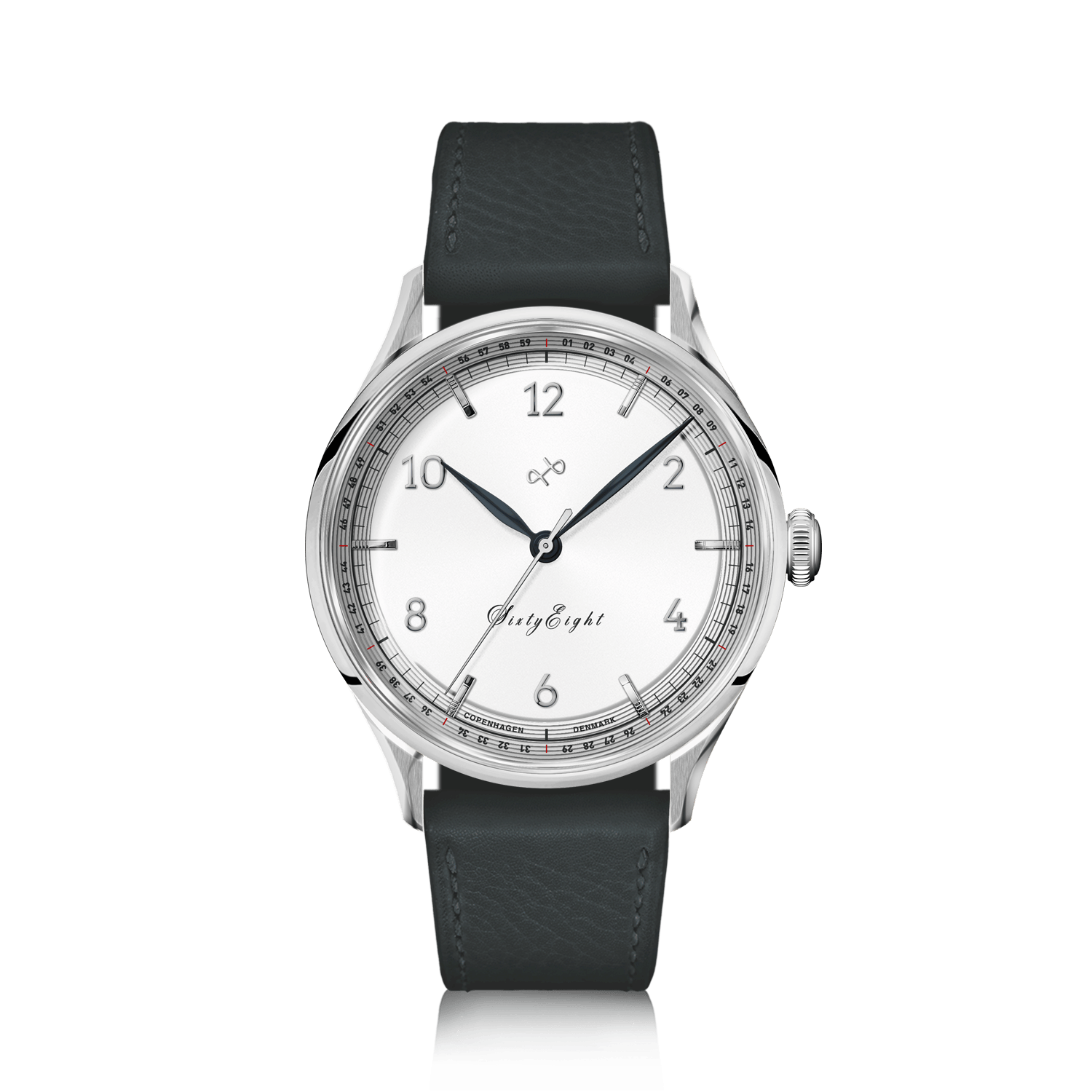
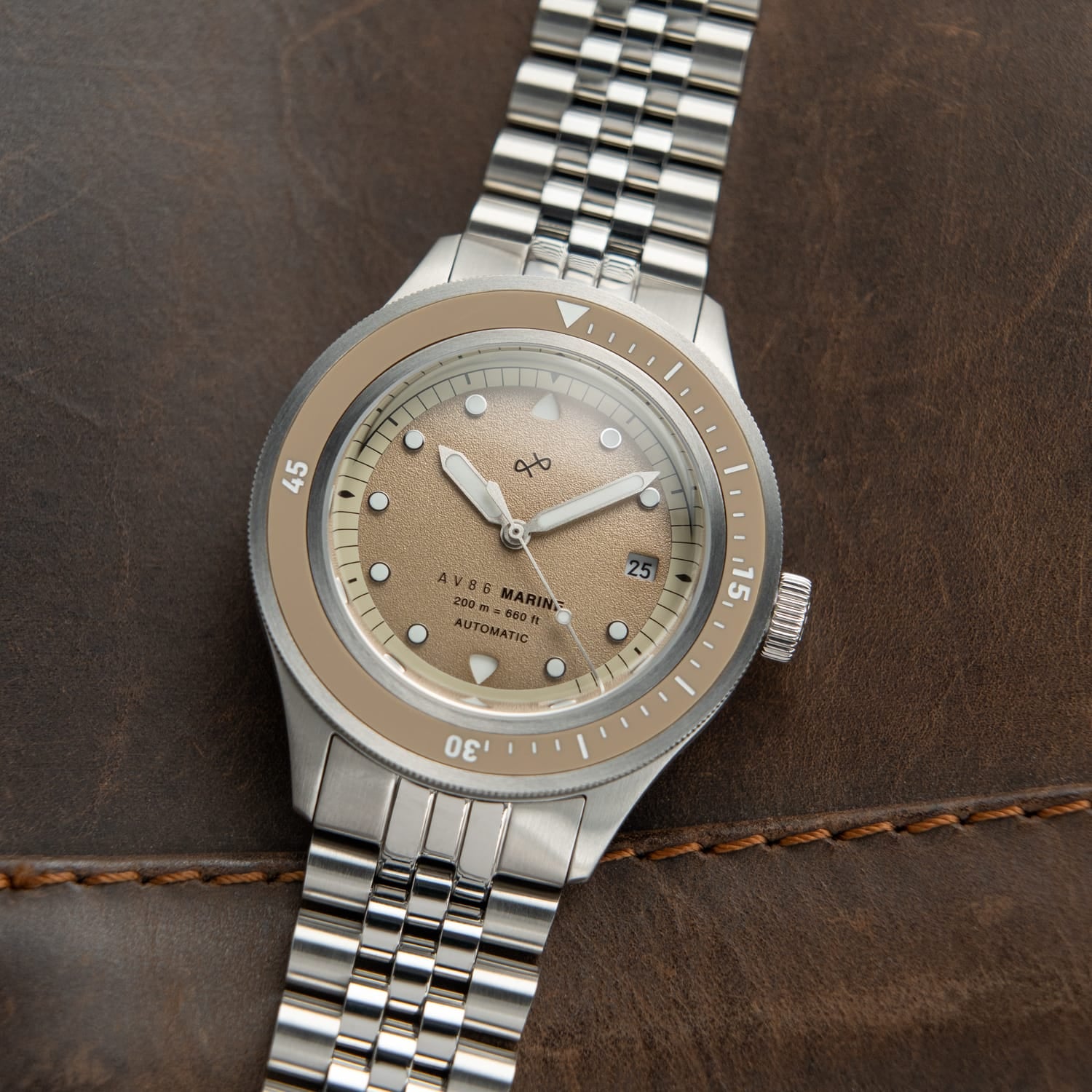
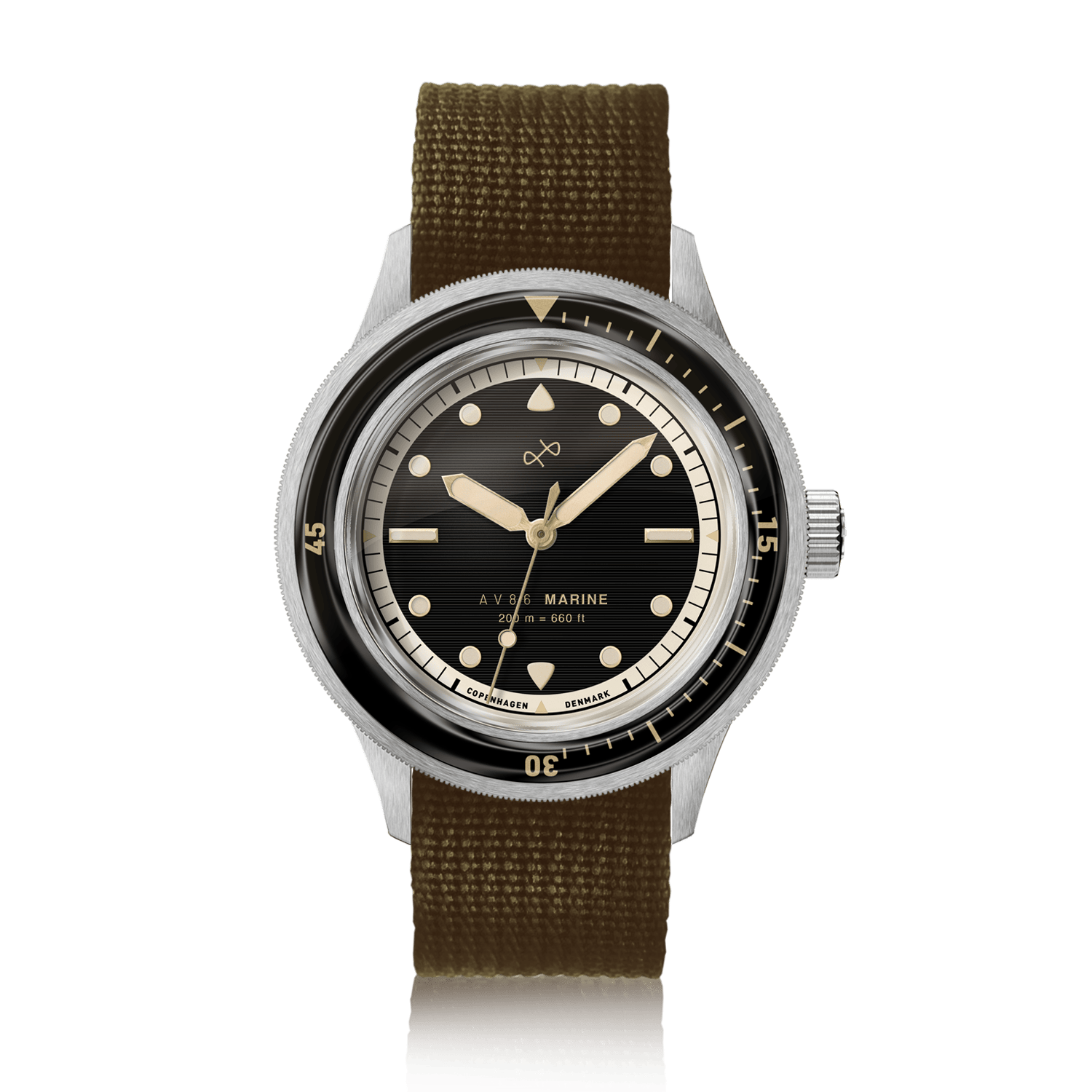
A balanced collection should include different categories to suit a variety of social and professional environments. Dress watches typically feature minimalist dials and slim profiles that fit discreetly under a formal shirt cuff. These pieces emphasize understated luxury and traditional elegance without unnecessary distraction. In contrast, diver watches focus on sturdy utility with unidirectional bezels and high-contrast markers for visibility in low-light conditions. For those seeking additional complexity, moonphase watches provide a celestial complication that tracks the lunar cycle with mechanical precision. Whether choosing a sophisticated piece for a formal event or a durable companion for outdoor activity, these styles offer distinct visual weights. AV86 provides vintage-inspired interpretations of these categories to ensure mechanical quality remains the primary focus across all functional categories.
Coordinating timepieces with your personal style
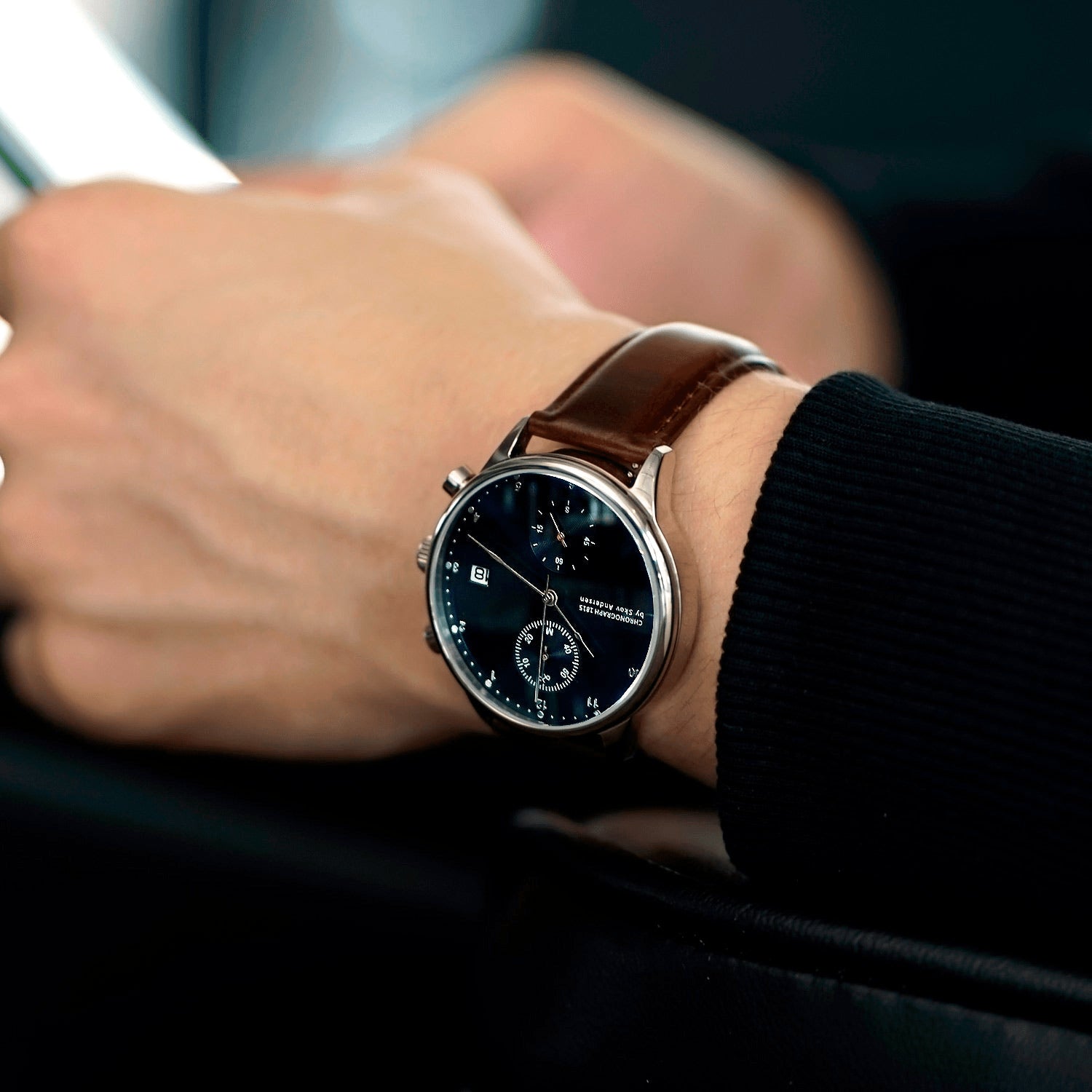
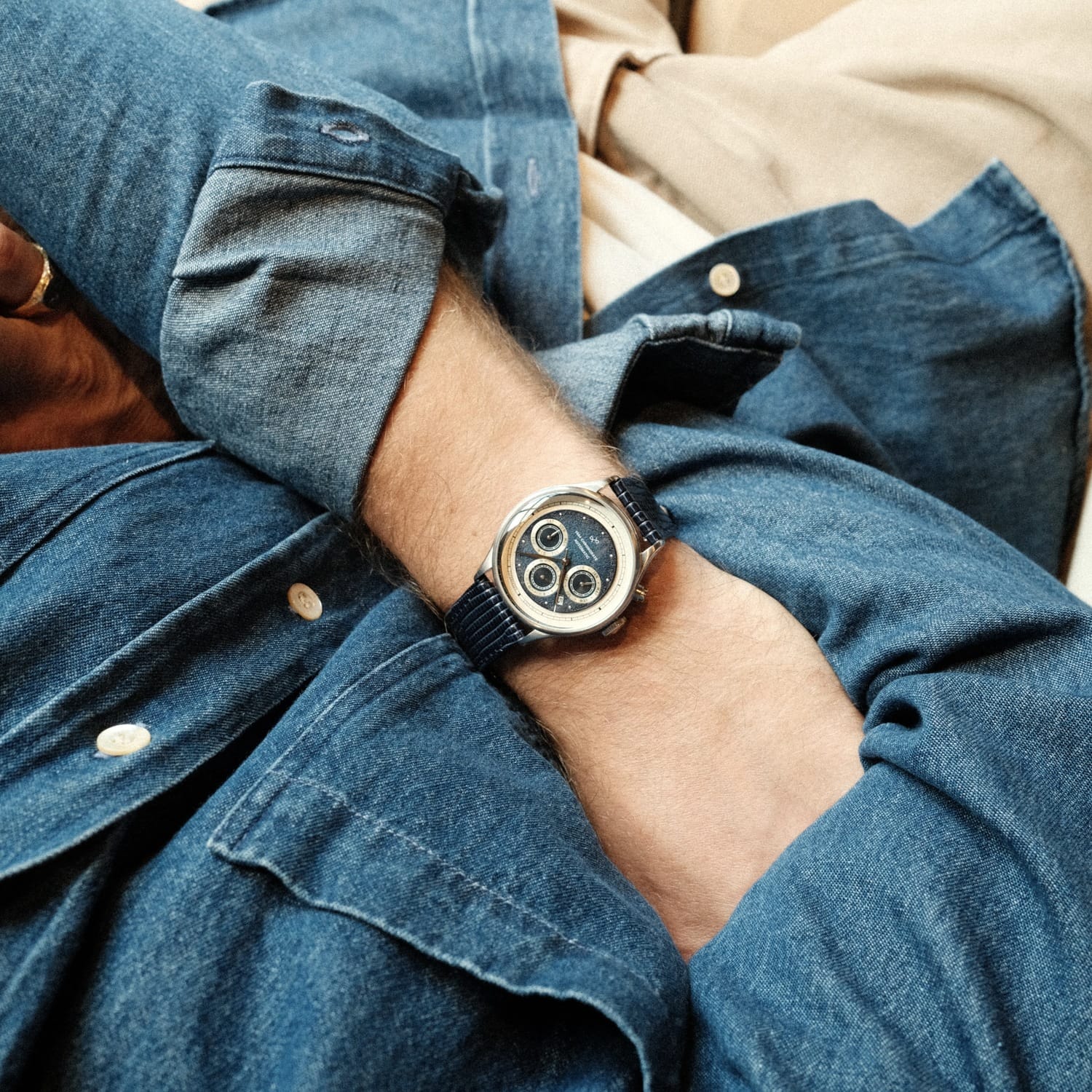
Effective styling involves balancing the visual weight of a watch with the overall wardrobe. Classic watches with minimalist designs pair effectively with layered formal wear for a cohesive appearance. Conversely, a bold chronograph can serve as a primary focal point when paired with simpler, more casual clothing. Coordinating strap materials with other leather accessories, such as belts or shoes, creates a disciplined and thoughtful look. In casual settings, a metal bracelet adds a polished finish that transitions easily from a professional environment to social evenings. Styling a timepiece is an opportunity to demonstrate a precise approach to presentation. By achieving visual harmony through careful strap pairing and case selection, the wearer communicates a sophisticated sense of style that values both form and function.
Frequently asked questions
What is the 3 watch rule?
The 3 watch rule is a common guideline for collectors to own one of each essential type: a dress watch for formal occasions, a rugged tool or diver watch for daily activities, and an adaptable 'all-rounder' that fits most social settings.
What is the difference between an automatic and a manual watch?
Both are mechanical, but an automatic watch features a rotor that winds the mainspring using the natural motion of your wrist. A manual watch requires you to turn the crown by hand regularly to store energy in the spring.
How do I know if a watch is too big for my wrist?
A watch is likely too big if the lugs, which are the parts where the strap attaches, extend past the edge of your wrist. Ideally, the case should sit flat on the wrist with some of the strap visible on either side when viewed from the top.
What does a 10ATM water resistance rating mean?
A 10ATM rating means the watch can withstand pressure equivalent to a depth of 100 meters. This makes it suitable for swimming and snorkeling, but it is not intended for high-impact water sports or deep-sea diving.
Why should I wear my watch on my non-dominant wrist?
Wearing it on the non-dominant wrist protects the watch from the extra movement and potential impacts associated with your dominant hand. It also makes it easier to use your dominant hand to operate the crown or chronograph buttons.