































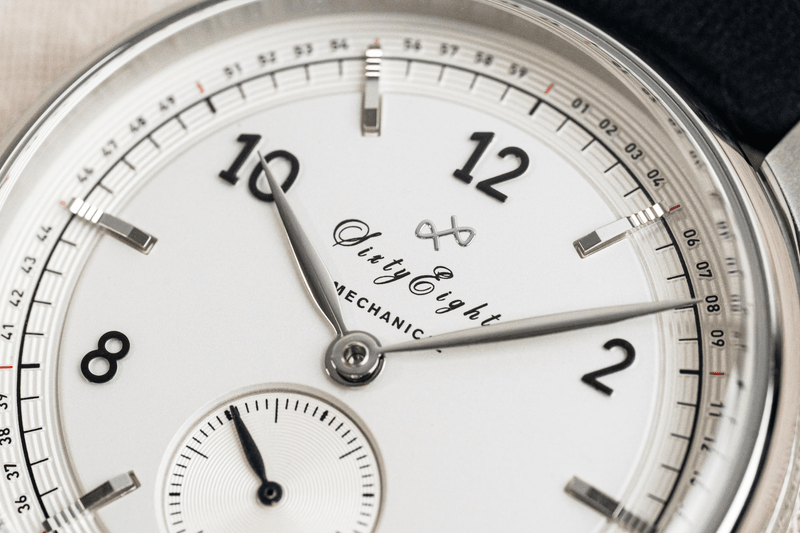
Mechanical watches
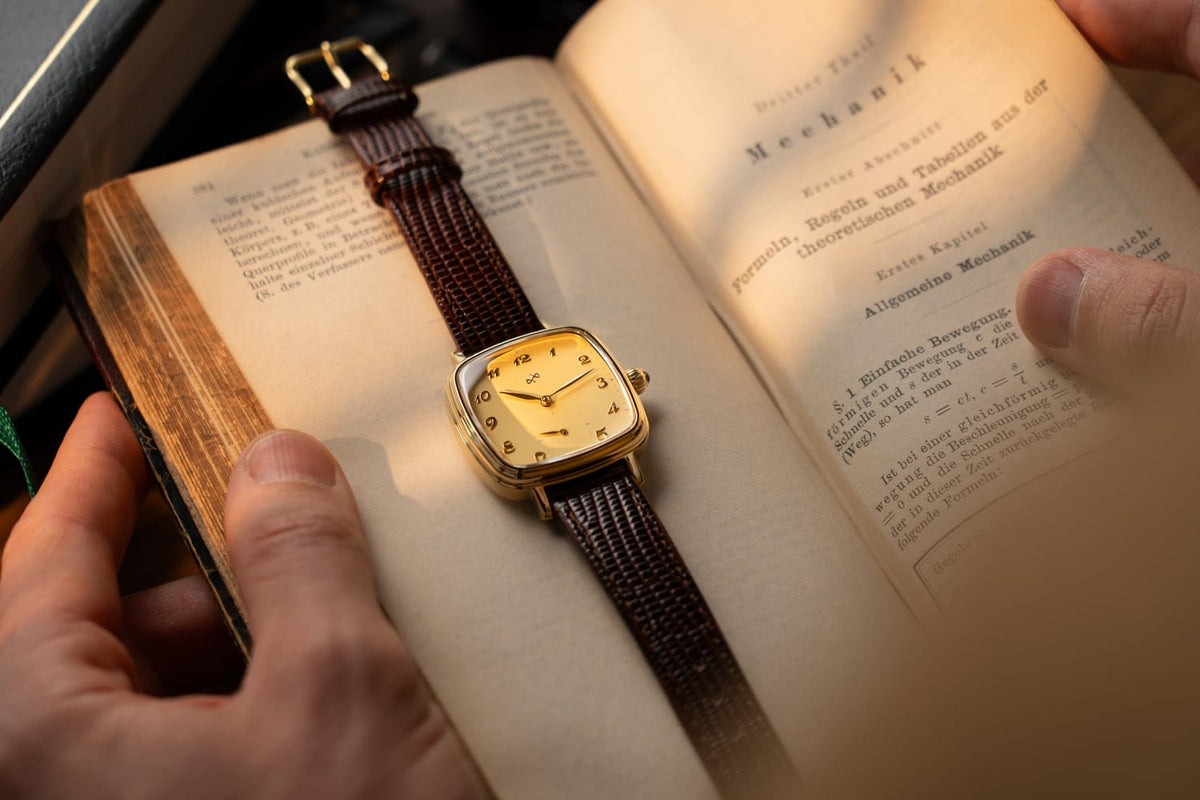
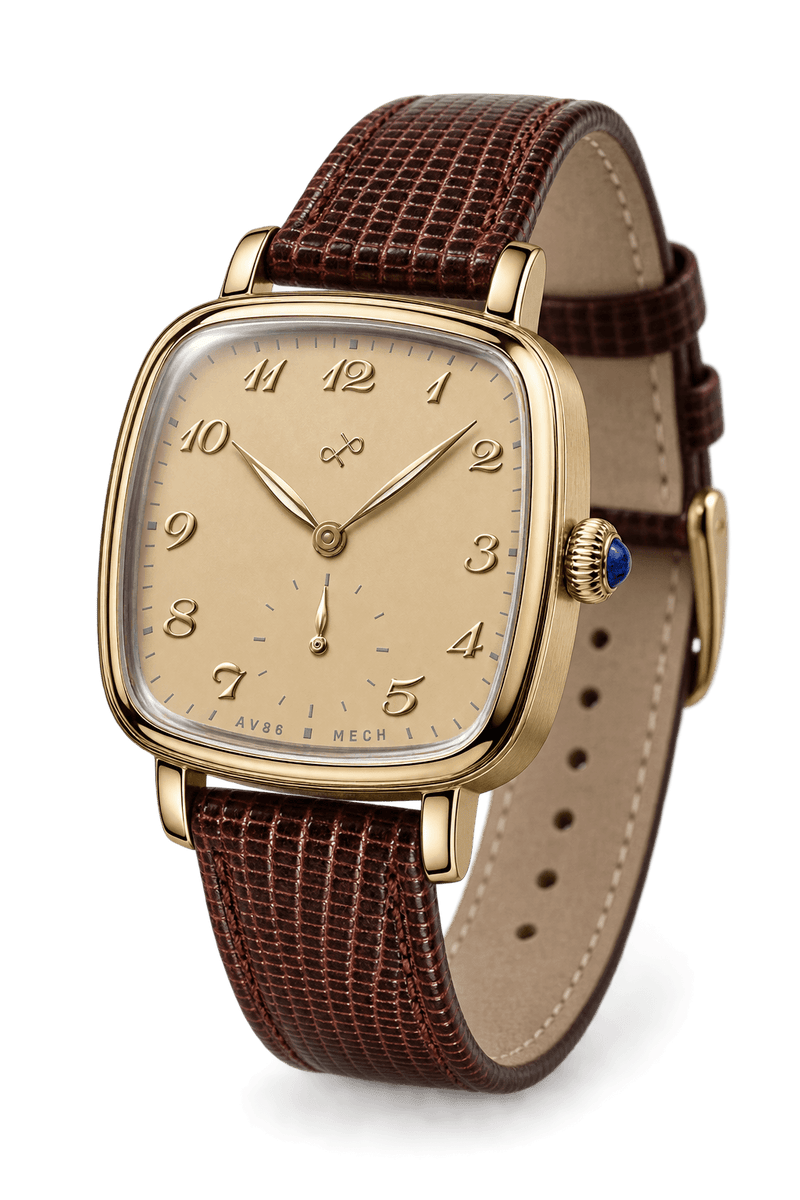
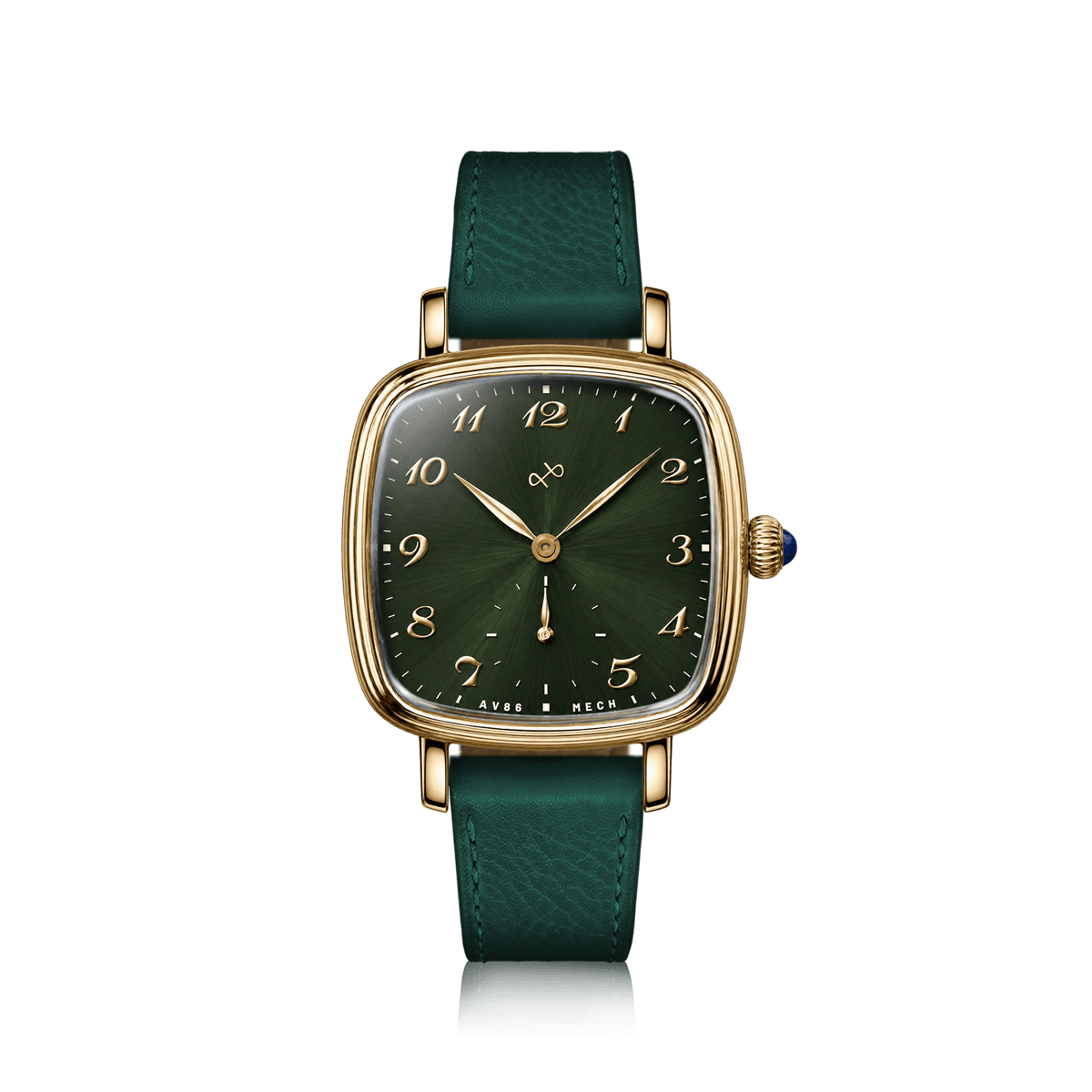
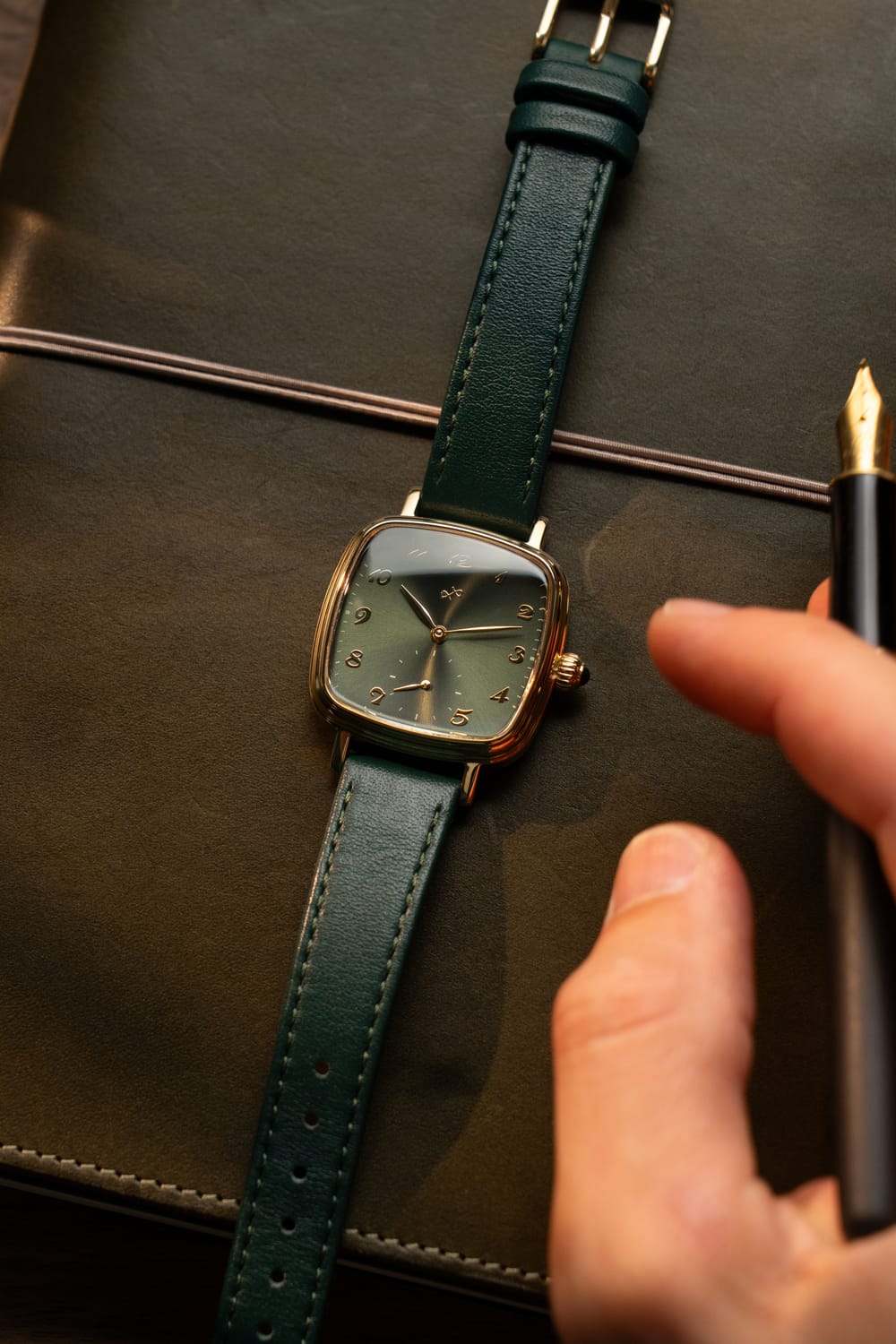
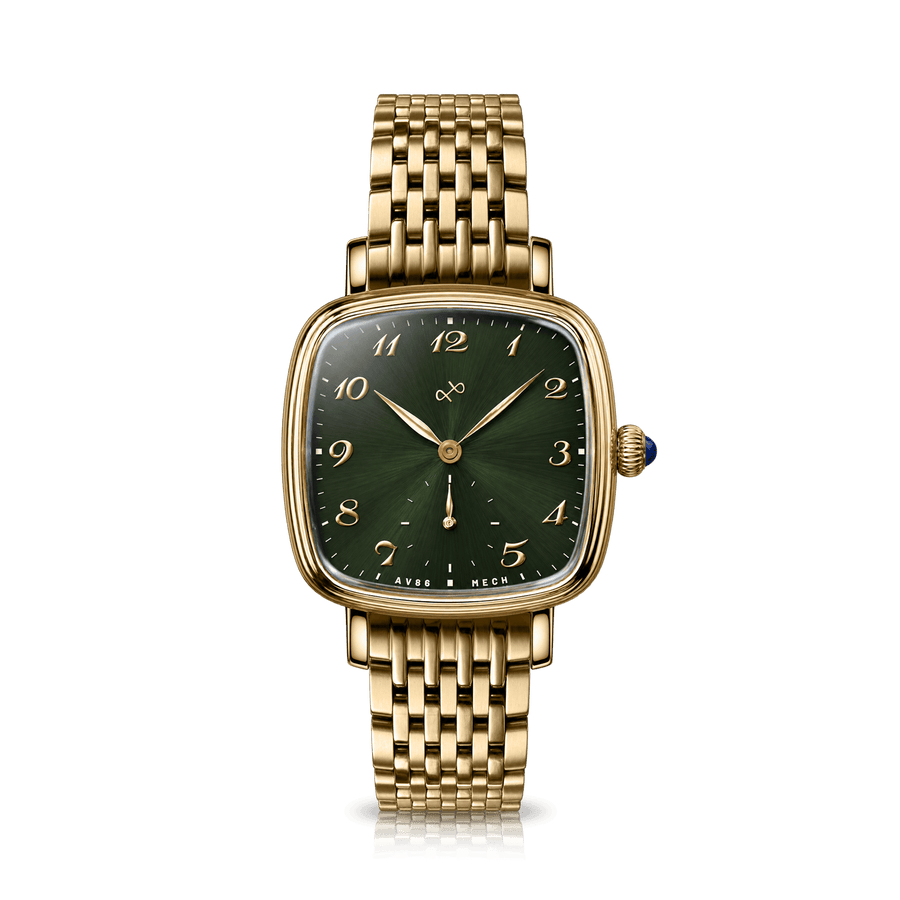
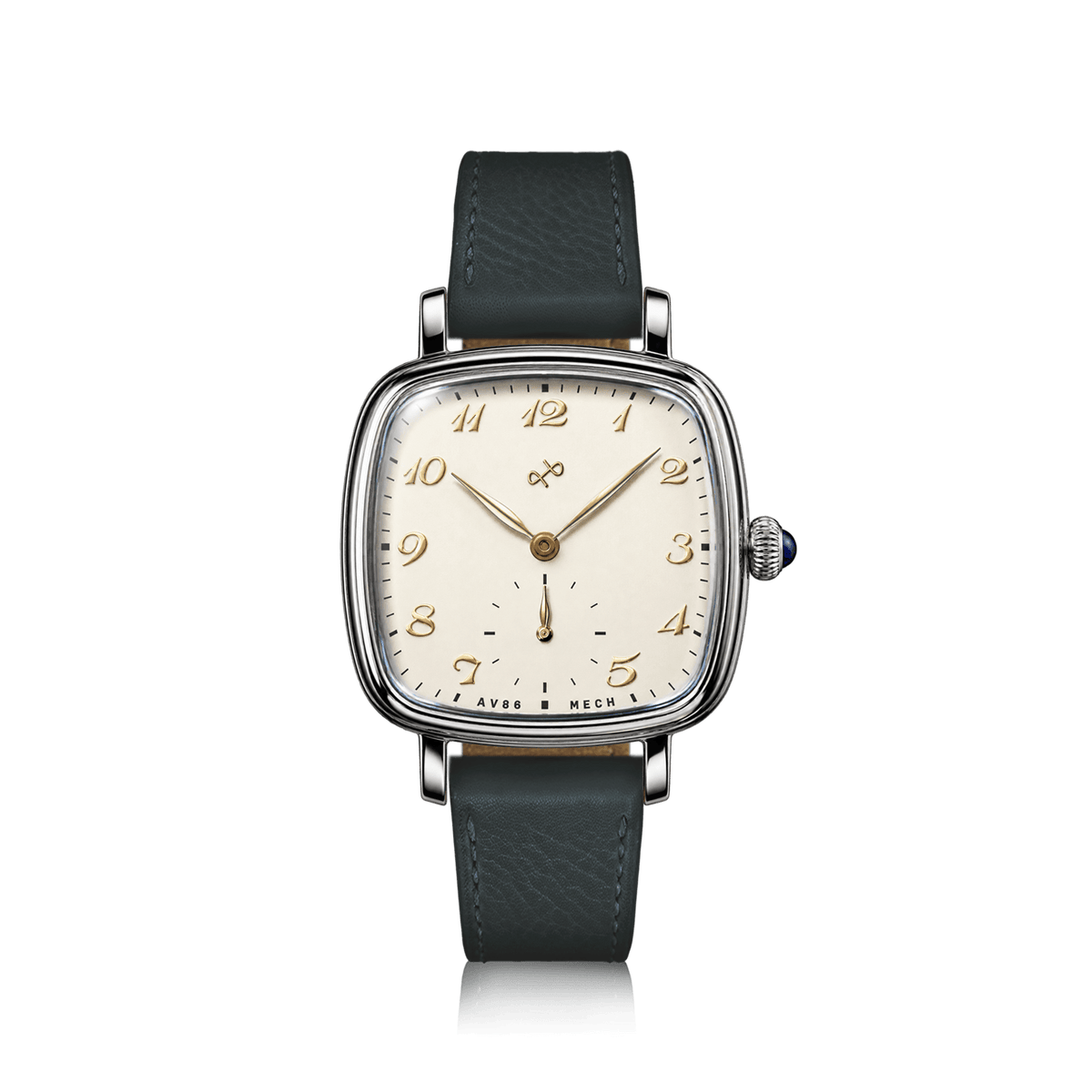
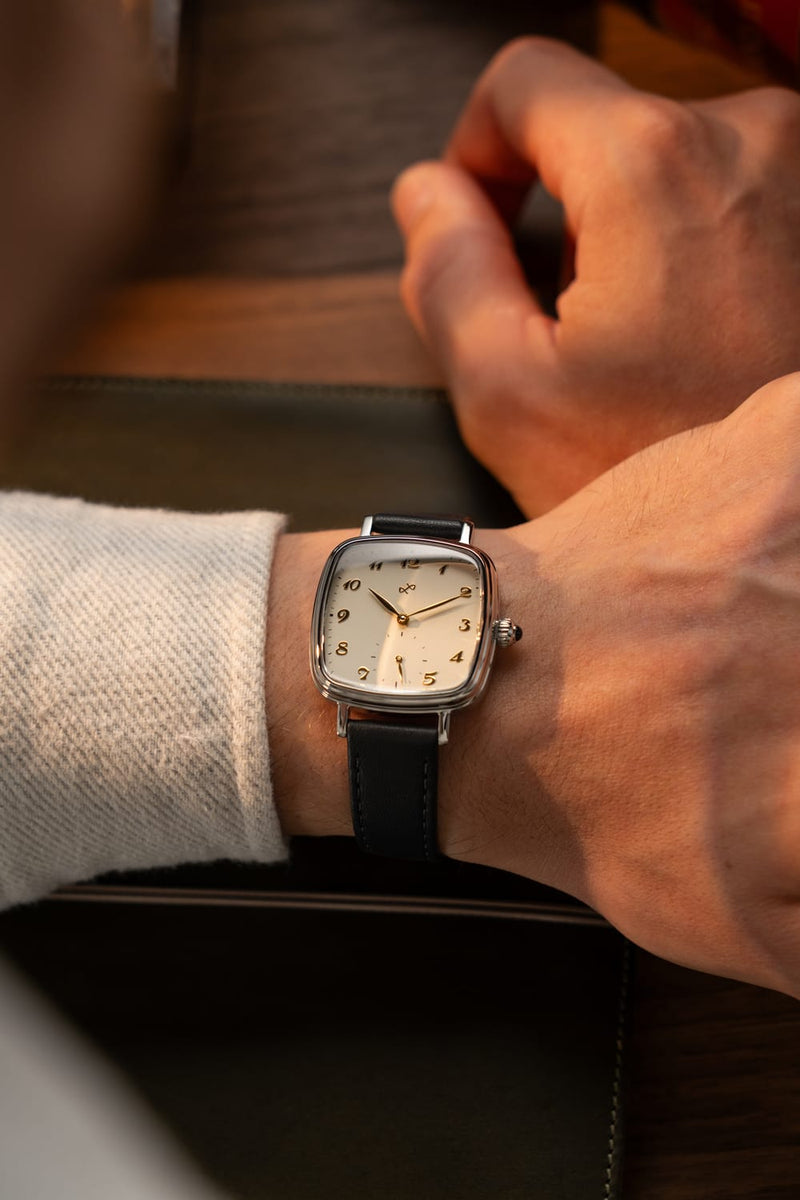
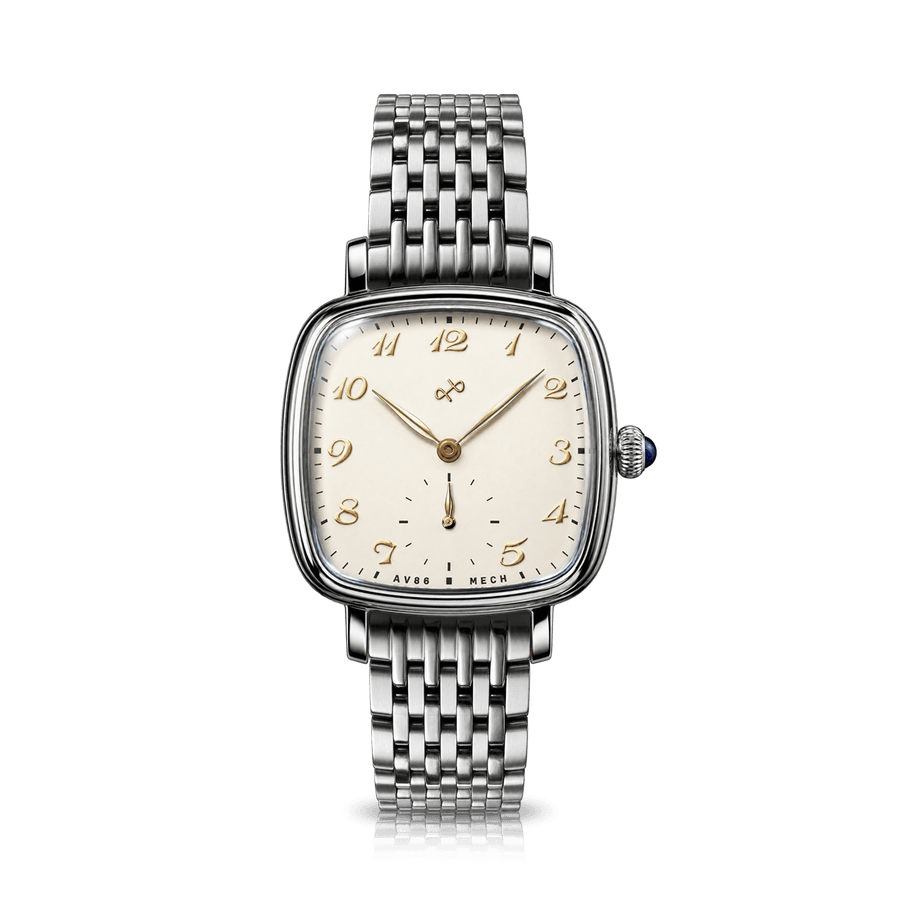
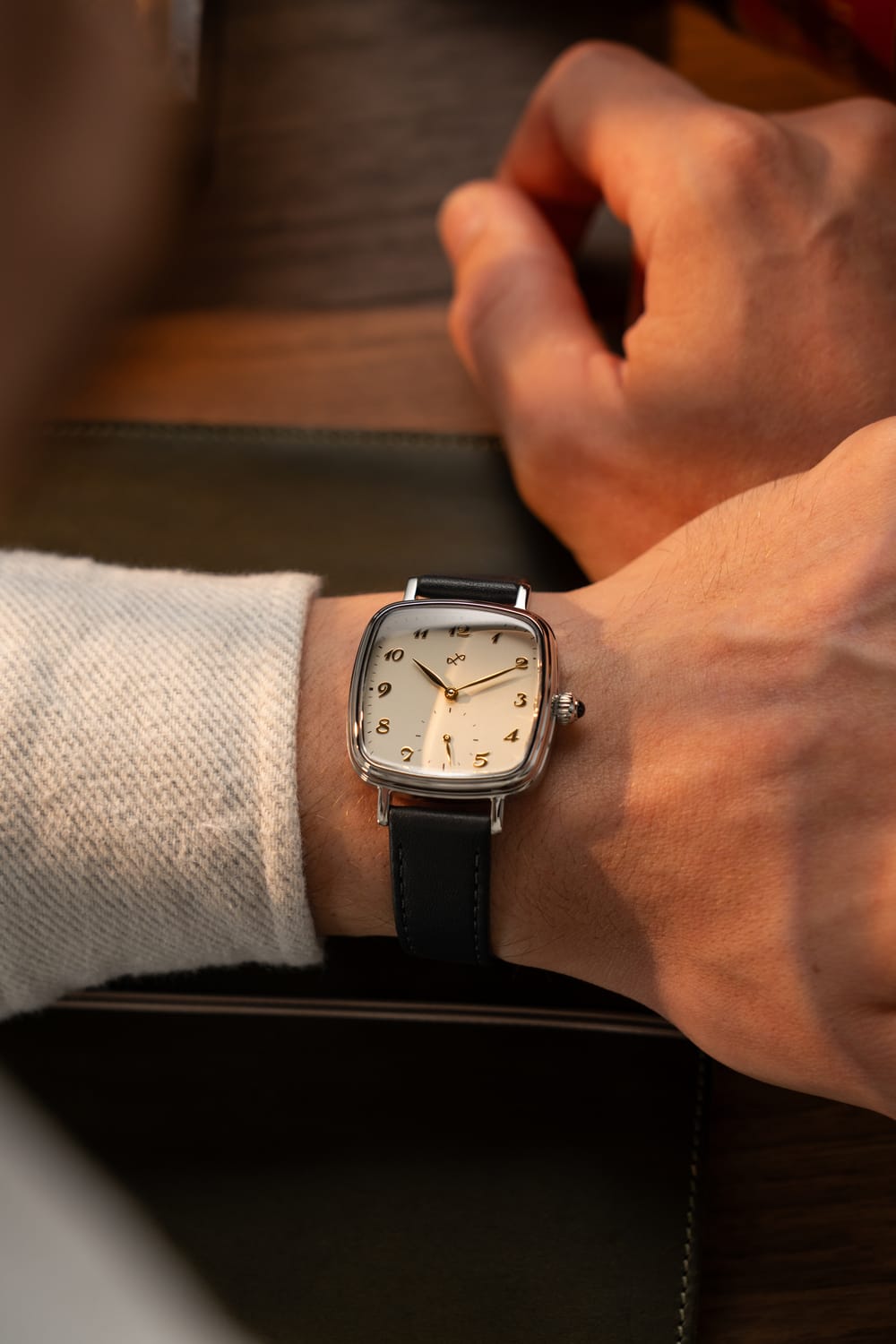
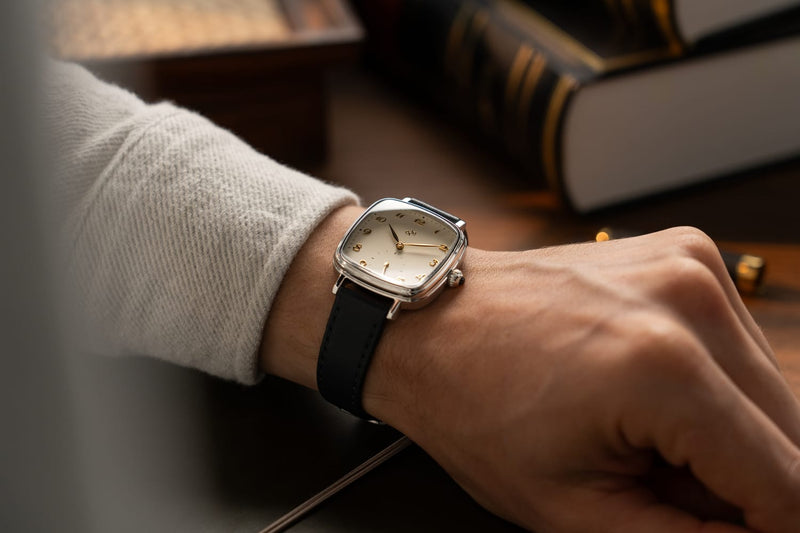
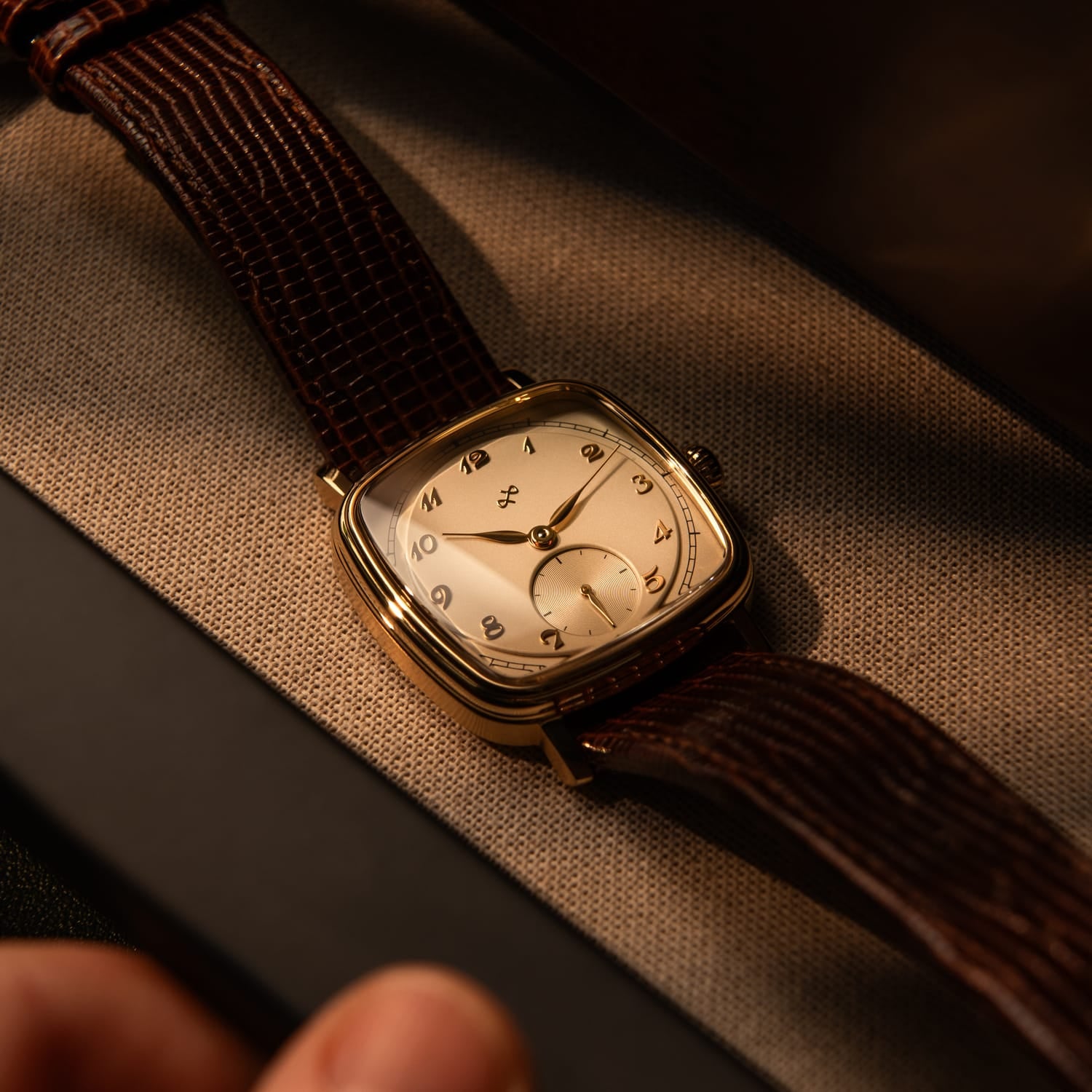
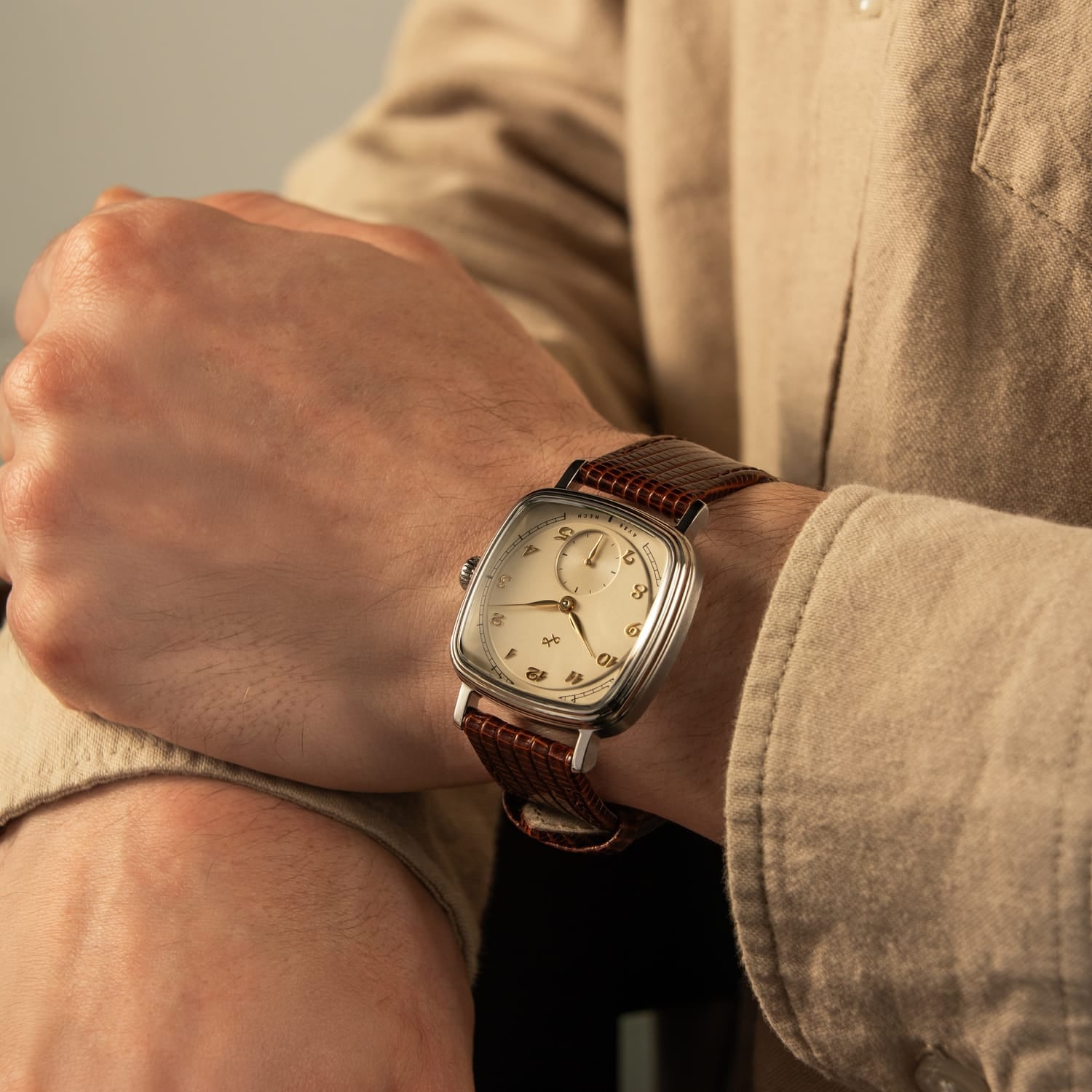
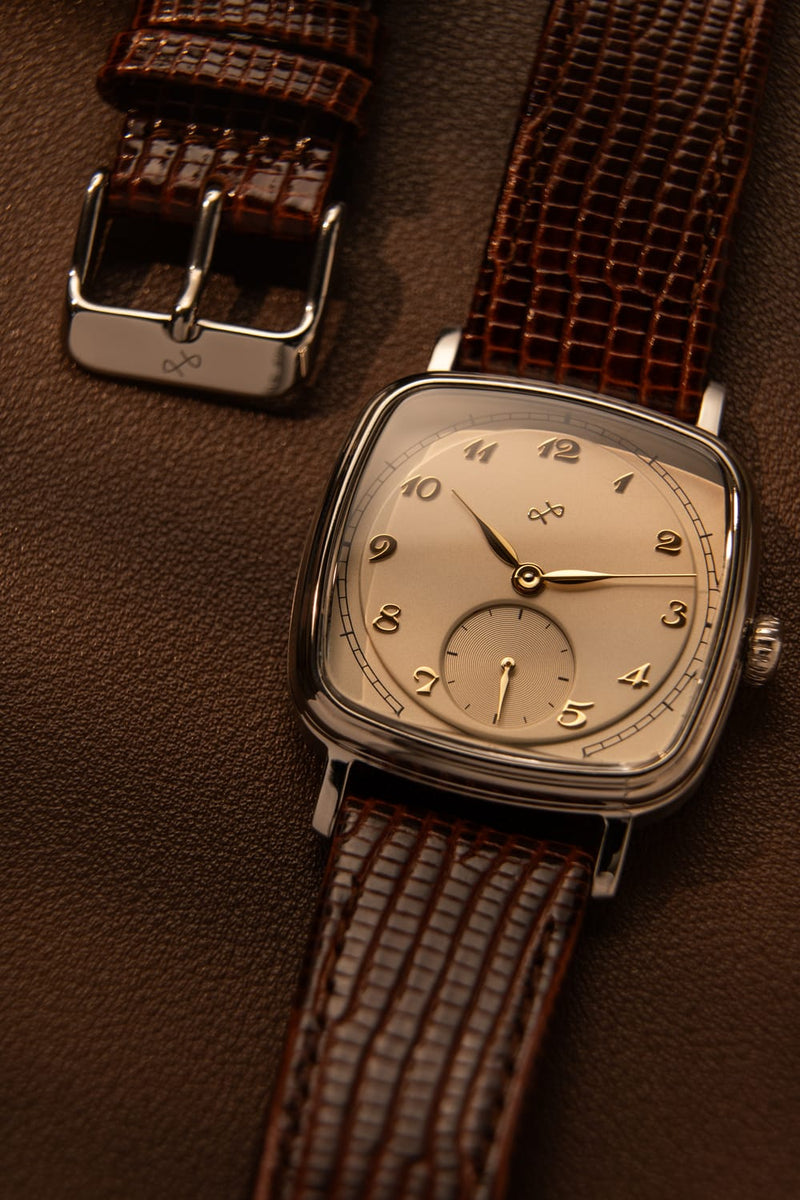
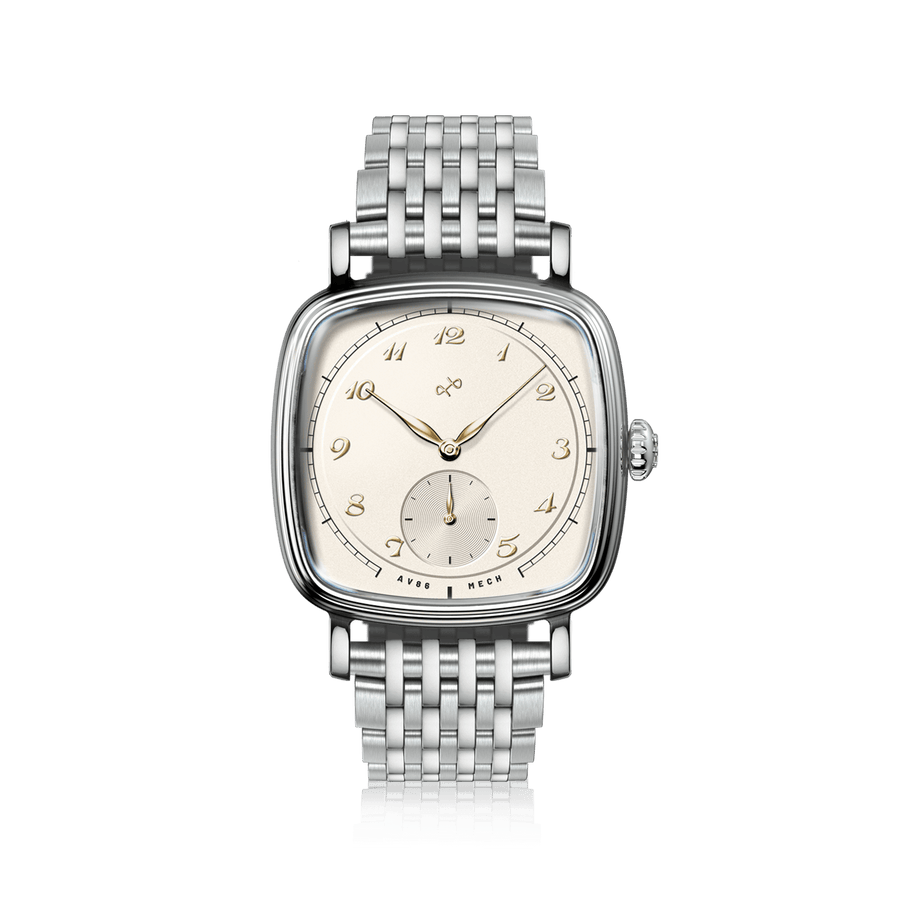
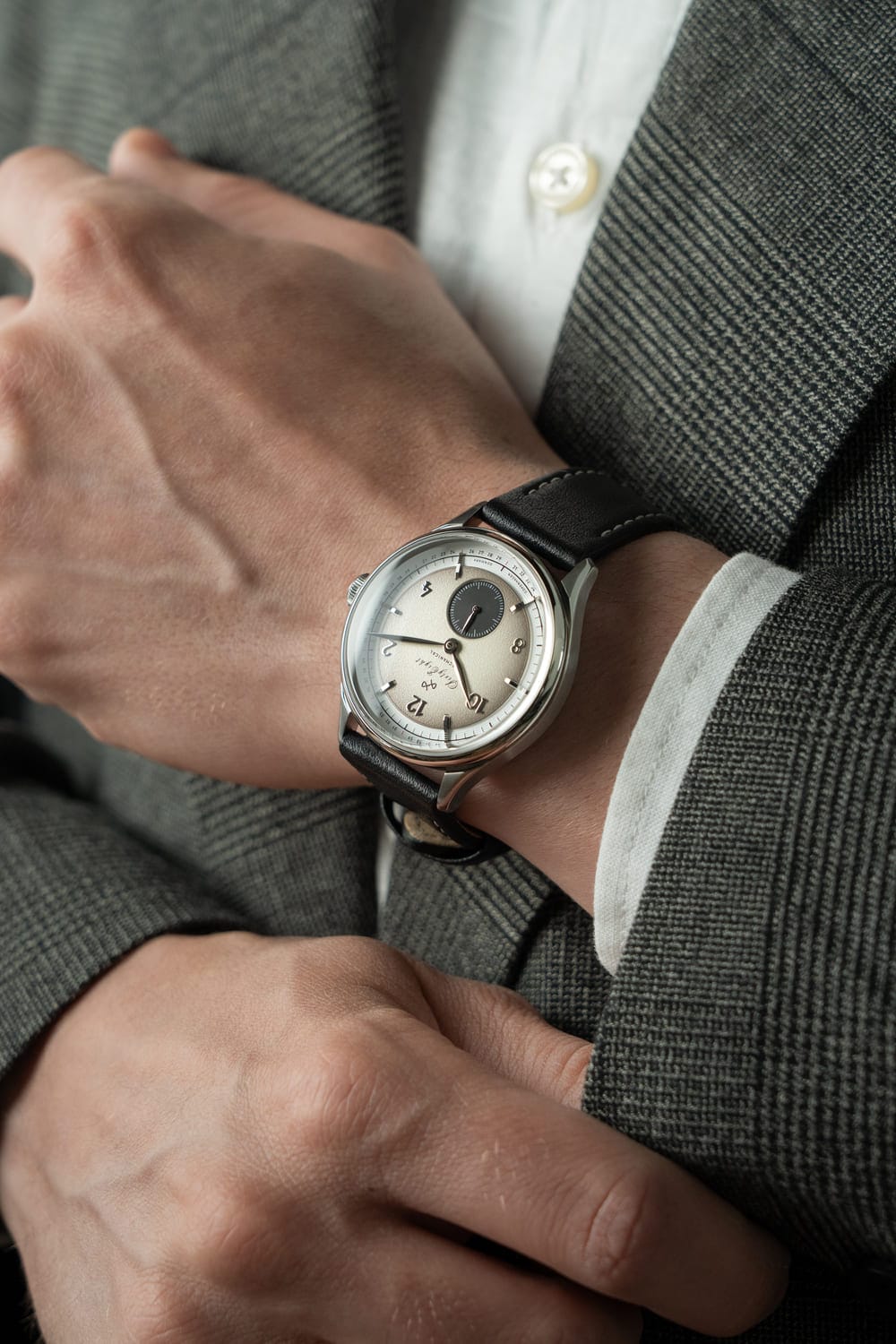
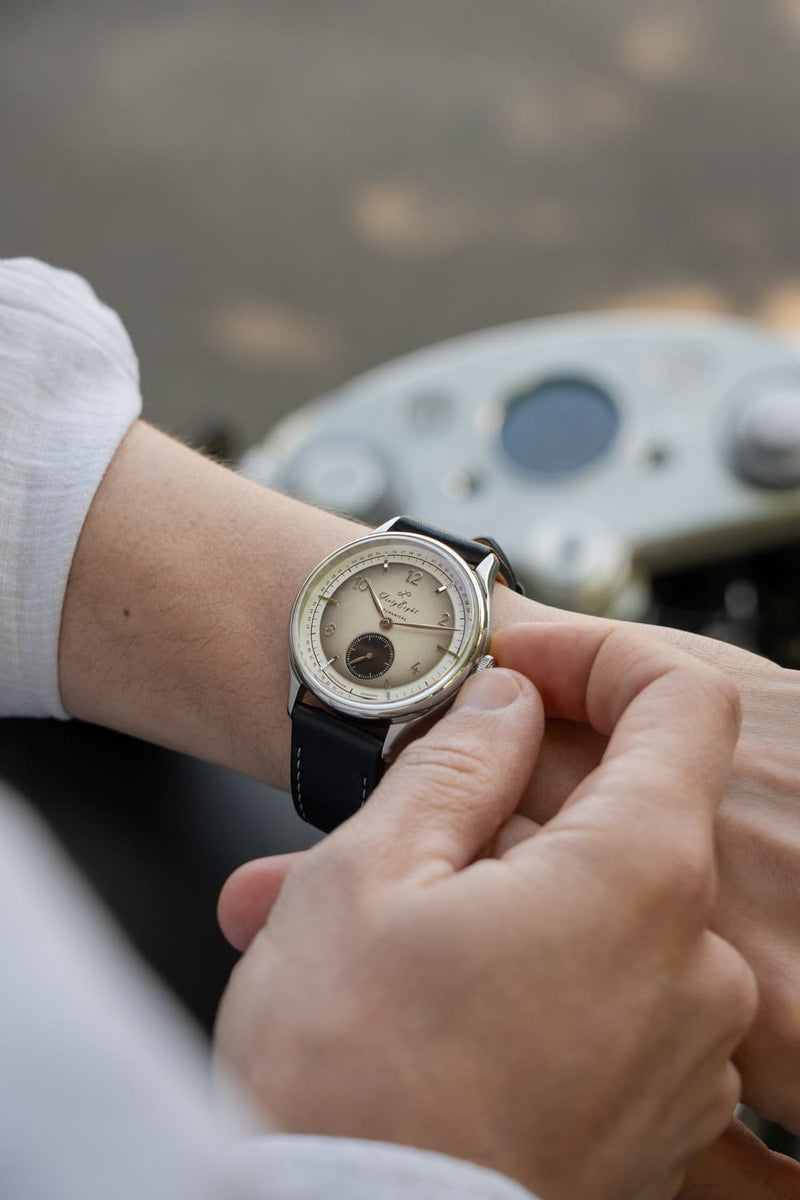
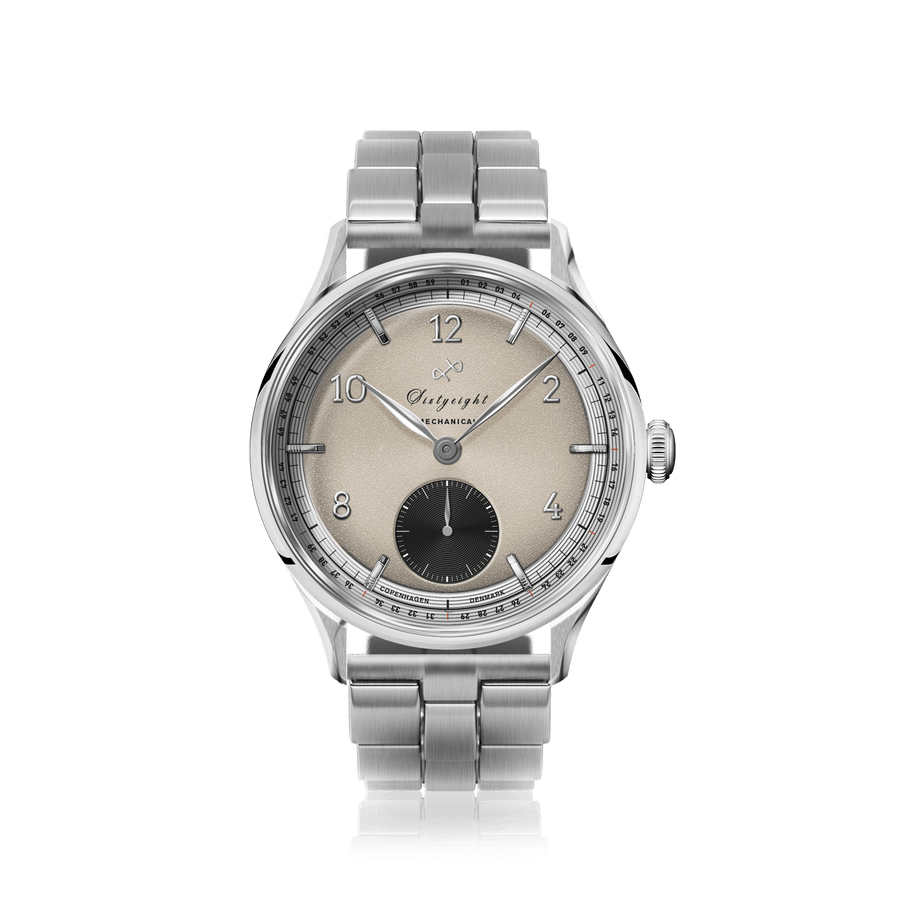
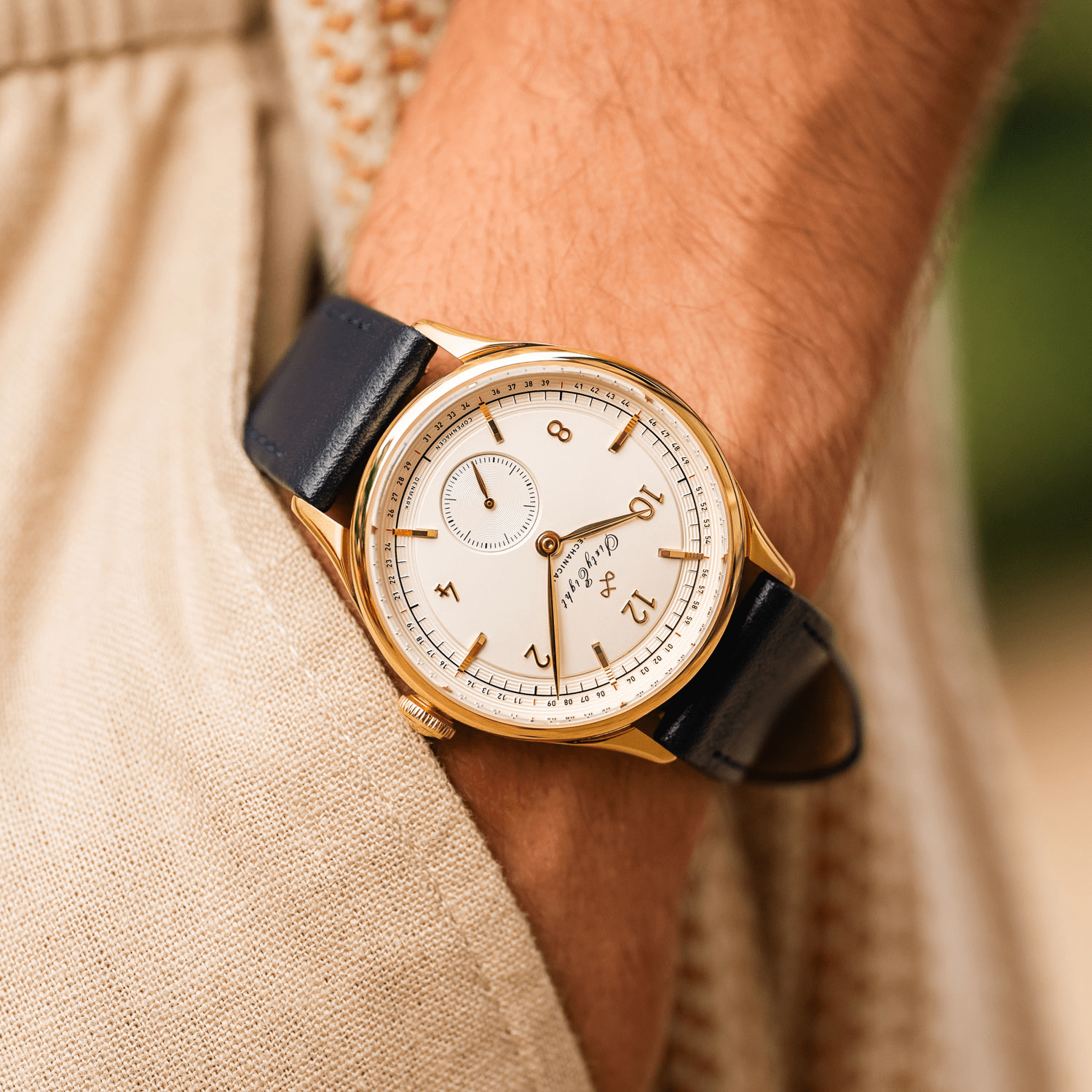
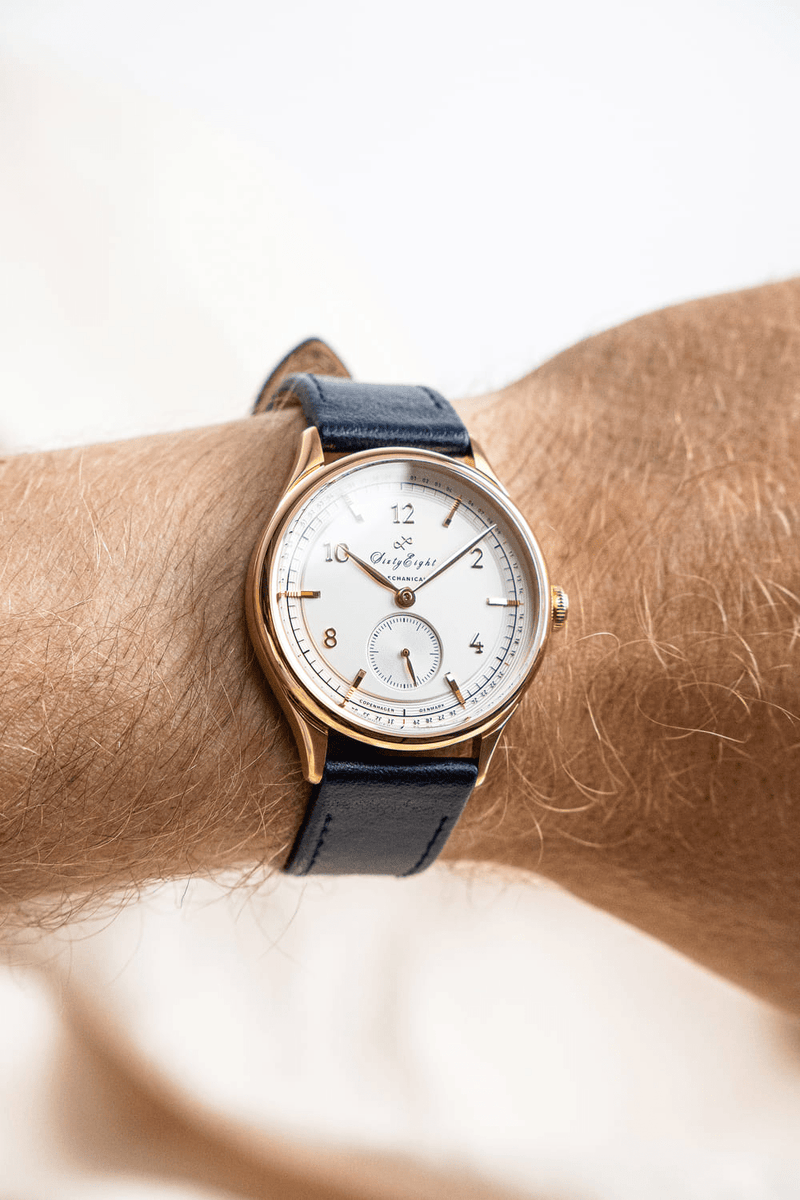
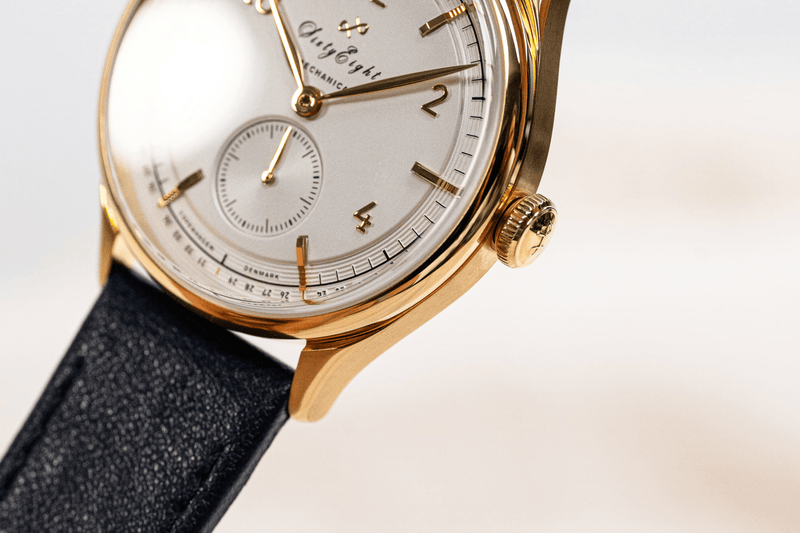
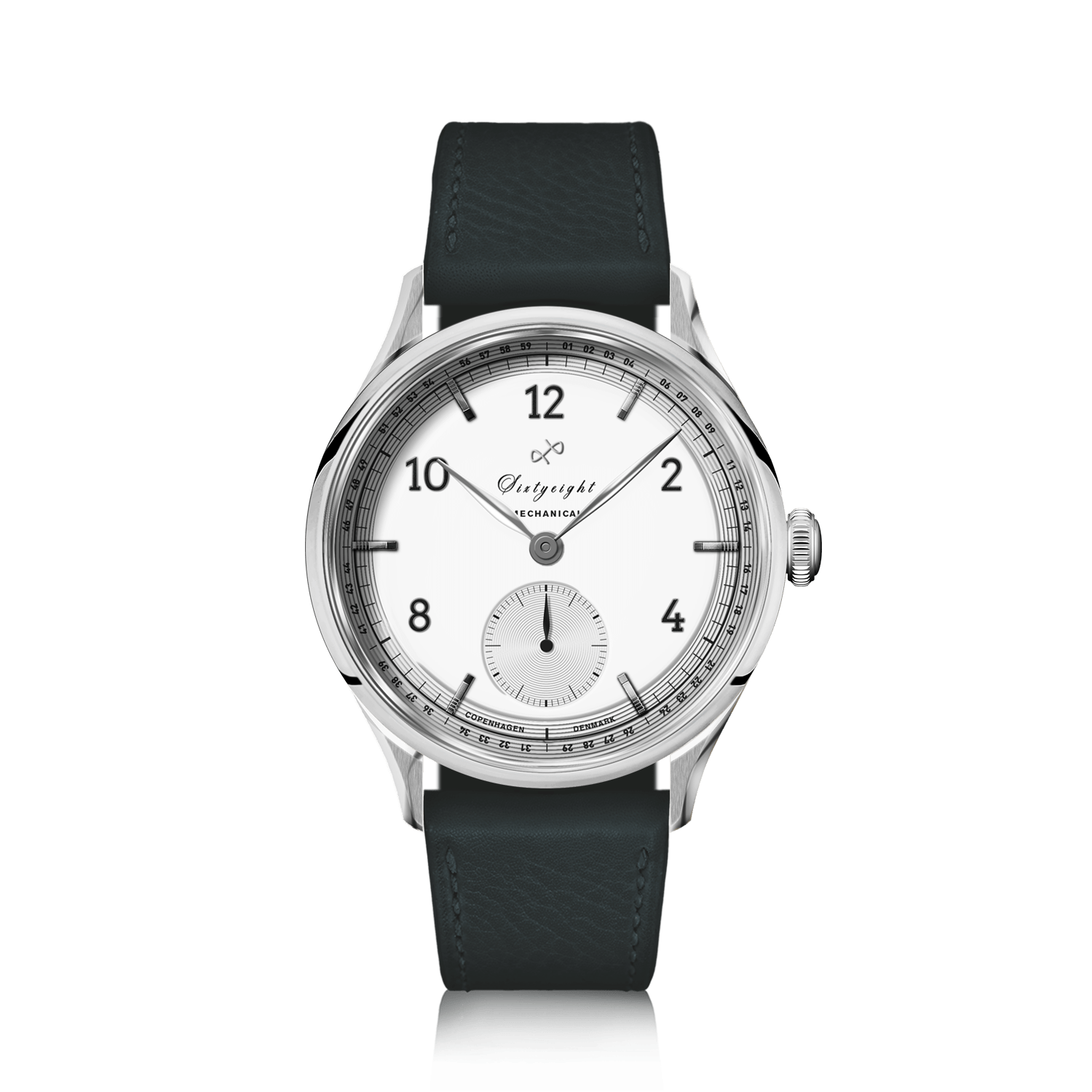
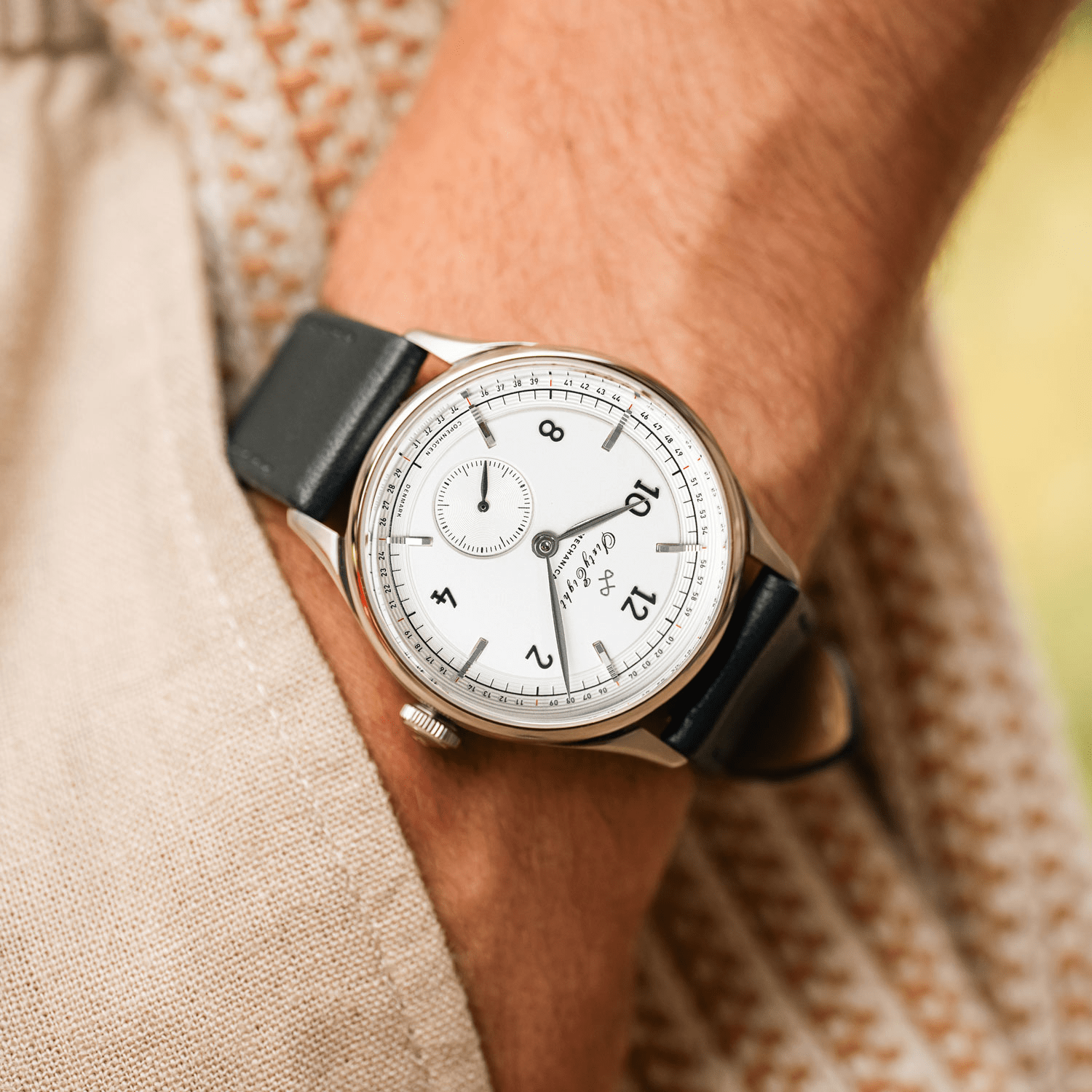
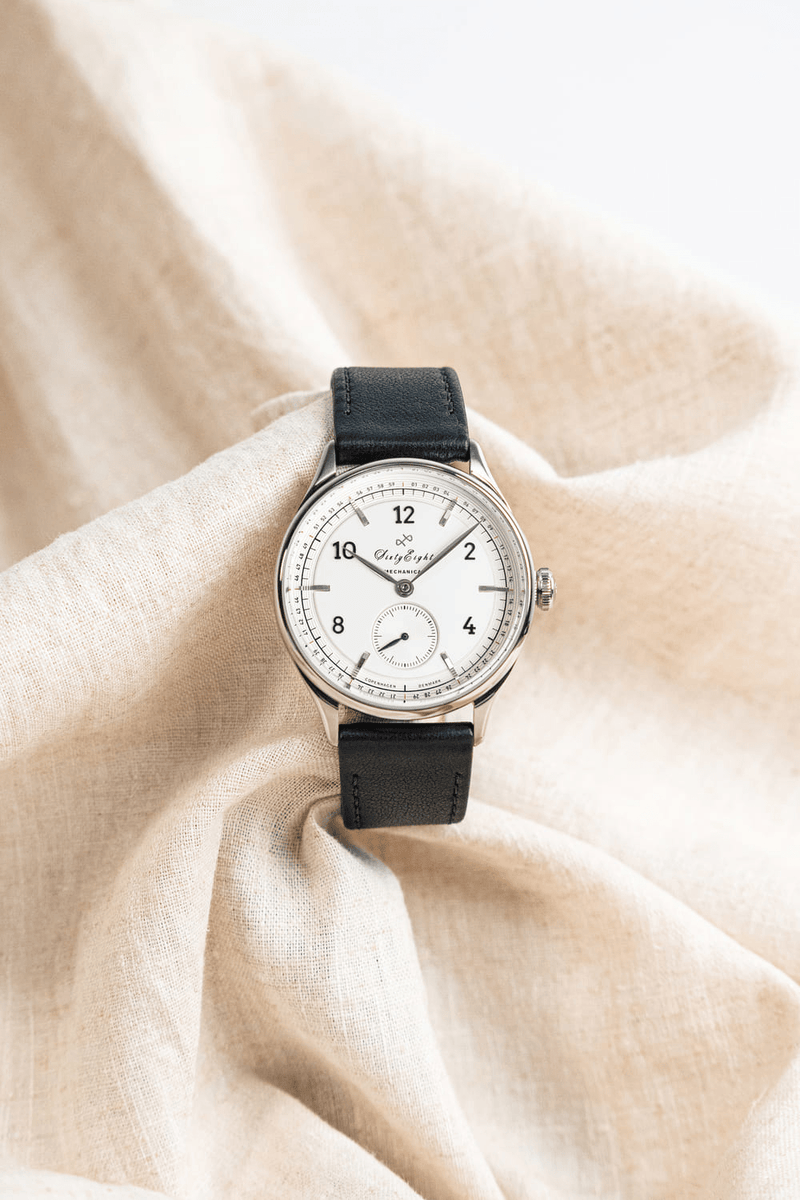
A mechanical watch is one of the few objects that rewards the closer you look at it. No battery, no circuit board — only a mainspring, a set of gears, and a balance wheel working in concert to measure time. We design our mechanical watches around that enduring logic: Copenhagen-inspired proportions, vintage-influenced dials, and movements chosen for long-term reliability. Whether you are drawn to the deliberate ritual of hand winding or prefer the self-winding convenience of an automatic, each watch in this collection is built to mark a moment worth remembering.
Movement mechanics
Understanding what a mechanical watch is starts with its five core components. The mainspring — a spiral ribbon of spring steel coiled inside a sealed barrel — stores the energy that powers everything. As it unwinds, that energy travels through the gear train, a series of precisely cut wheels and pinions that transmit force toward the dial side of the movement.
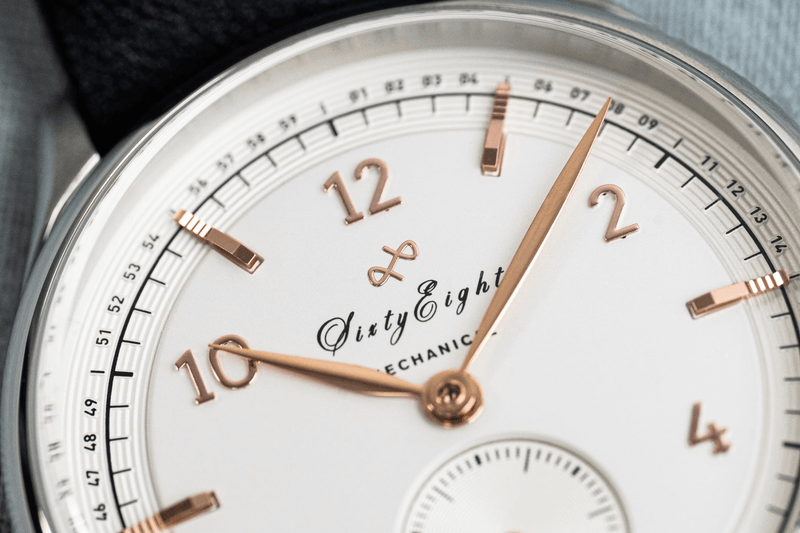
The balance wheel acts as the timekeeping oscillator, swinging back and forth at a fixed frequency to divide time into equal segments. The escapement — the component responsible for the characteristic ticking sound — alternately catches and releases the escape wheel with each swing, feeding energy to the balance wheel in controlled pulses. The indicating dial, driven by the same gear train, translates all of this into the hour, minute, and seconds hands you read at a glance.
Jewels, typically 17 to 21 synthetic rubies, are set at the movement's key bearing points to reduce friction and extend service life. We select Swiss Sellita and Japanese Miyota and TMI calibres for our collection — movements with established track records in both accuracy and durability. This is what a mechanical parts watch truly means: every component serves a precise function, and none is redundant.
Hand-wound vs automatic
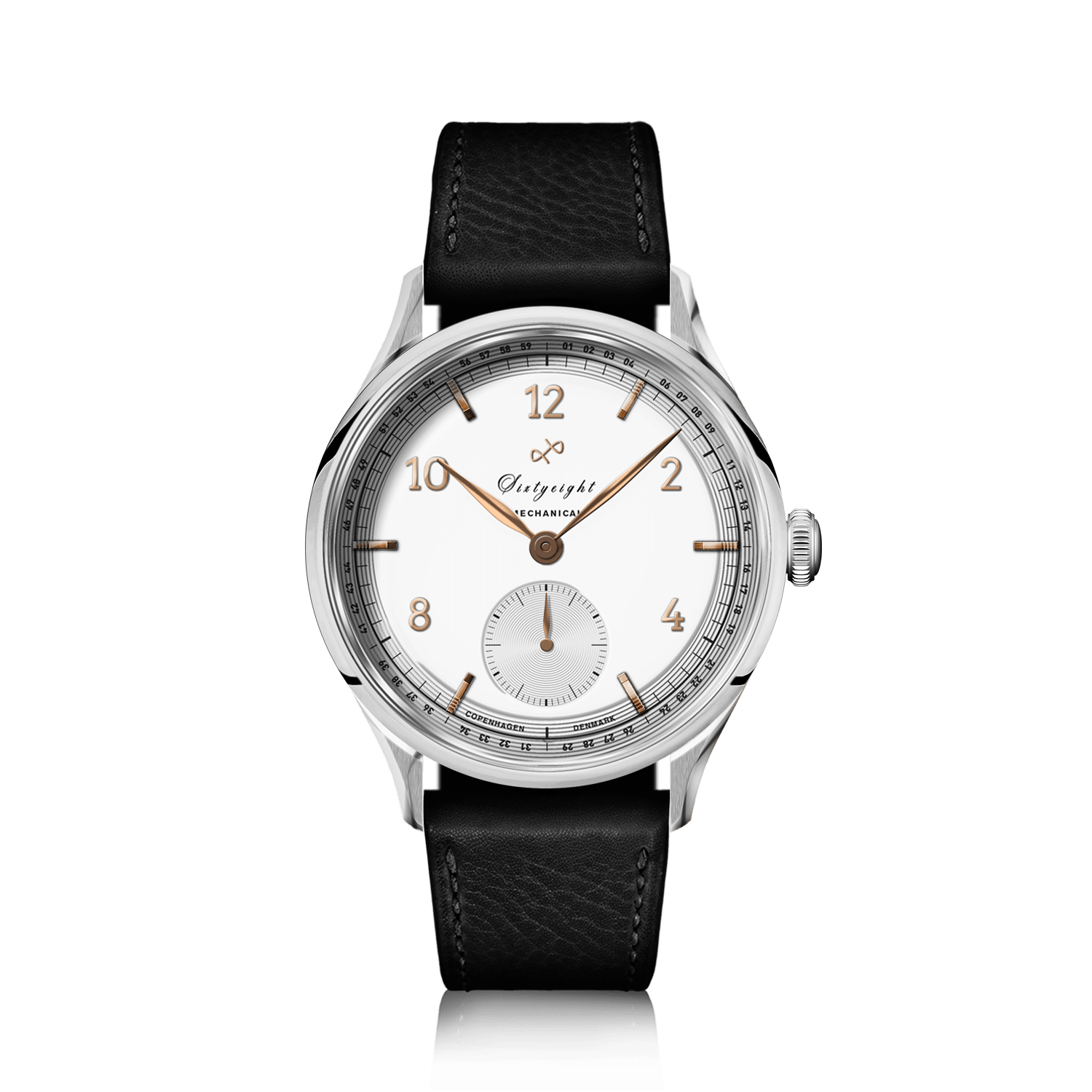
The two types of mechanical movement differ in one fundamental way: how energy reaches the mainspring. A hand-wound watch — sometimes called a manual watch or a men's hand wind watch — requires the wearer to turn the crown every one to three days to rewind the spring. This is a deliberate act, and for many wearers it becomes a valued part of owning the watch. Our vintage-inspired 1968 watch collection includes hand-wound models that carry exactly this character.
An automatic watch, also called a self-winding watch, uses an oscillating rotor mounted behind the movement. As the wrist moves through the day, the rotor spins and winds the mainspring continuously — no manual winding required for daily wearers. Our 1954 Amalfi automatic models operate on this principle, making them practical for consistent everyday wear.
Two features distinguish quality movements in both categories: hacking, which stops the seconds hand so you can set the time to the exact second, and the ability to wind an automatic manually via the crown when the watch has been left unworn. Neither type requires a battery or a software update — ever.
Power reserve
Power reserve is the duration a fully wound mechanical watch will run without additional winding or wrist movement. Entry-level automatic movements typically offer 38 to 42 hours; better-specified calibres extend that to 46 hours or beyond. In practical terms, a watch with a 40-hour power reserve left on the nightstand Friday evening will stop sometime Sunday — one with a longer reserve will still be running Monday morning.
Some watches display remaining power reserve directly on the dial via a dedicated indicator. If an automatic watch stops after sitting unworn, winding it manually through the crown — around 20 to 30 turns — restores the reserve before you put it on. The Miyota and TMI movements we use across our self-winding mechanical timepieces are selected in part for their consistent energy management and reliable reserve performance.
Complications and construction
In watchmaking, complications refer to any function beyond basic hours, minutes, and seconds. A date display is the most common; a chronograph adds stopwatch functionality via two pushers on the case; GMT tracks a second time zone simultaneously; a moonphase displays the lunar cycle on the dial. Each complication adds mechanical layers to the movement and visual depth to the watch face.
Construction quality is equally important. Case material defines longevity and wearability — 316L surgical-grade stainless steel resists corrosion and is suitable for sensitive skin. Sapphire crystal, used across our mechanical watch range, sits at 9 on the Mohs hardness scale, making it highly resistant to the scratches that dull softer mineral glass over time. Our surgical-grade stainless steel watches combine these material standards with movement jewel counts of 17 to 21 — the benchmark for a quality mechanical automatic movement.
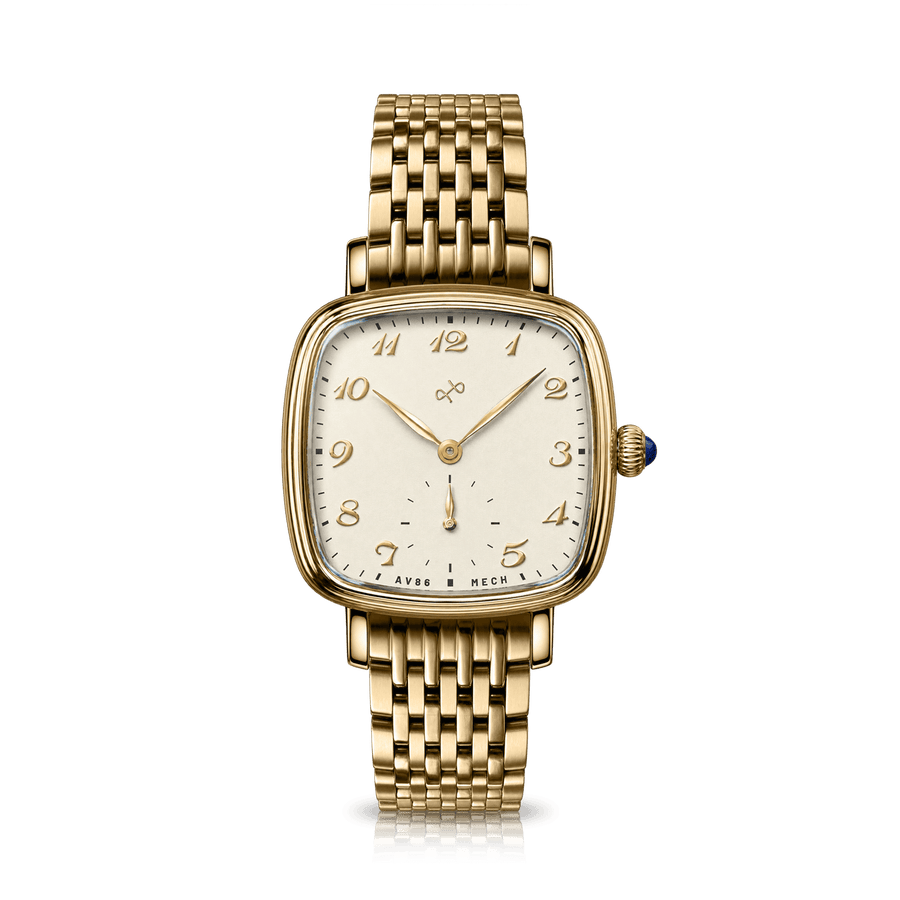
Our quick-release strap system allows the leather strap, NATO, or steel bracelet to be swapped without tools, so a complication-equipped model can move between contexts without losing its character.
Movement accuracy
A quality automatic mechanical watch typically runs within plus or minus 10 to 30 seconds per day. That range depends on the movement grade, how the watch is positioned during wear and rest, and how recently it was serviced. Swiss Sellita calibres are regulated to tighter tolerances than most entry-level alternatives; Miyota movements offer strong, consistent day-to-day accuracy at a reliable standard.
Position affects rate: a watch lying dial-up runs at a different rate than one standing crown-down in a watch roll. This is not a defect — it is a characteristic of mechanical engineering. Regular servicing every three to five years keeps the movement running within its rated accuracy. Our 2-year warranty covers movement performance, so the first years of ownership carry full confidence. The slight variance in timekeeping is part of what makes a mechanical analog watch distinct from a quartz instrument — it reflects the physics of a hand-assembled machine.
First mechanical watch
A first mechanical watch should be legible, proportionate, and built from materials that will last. We recommend looking for a hacking movement with manual-winding capability — both features make daily use and time-setting straightforward. Sapphire crystal is worth prioritising over mineral glass; it will remain clear and scratch-free through years of wear. A case diameter between 38 and 42 mm suits the majority of wrist sizes without reading as oversized.
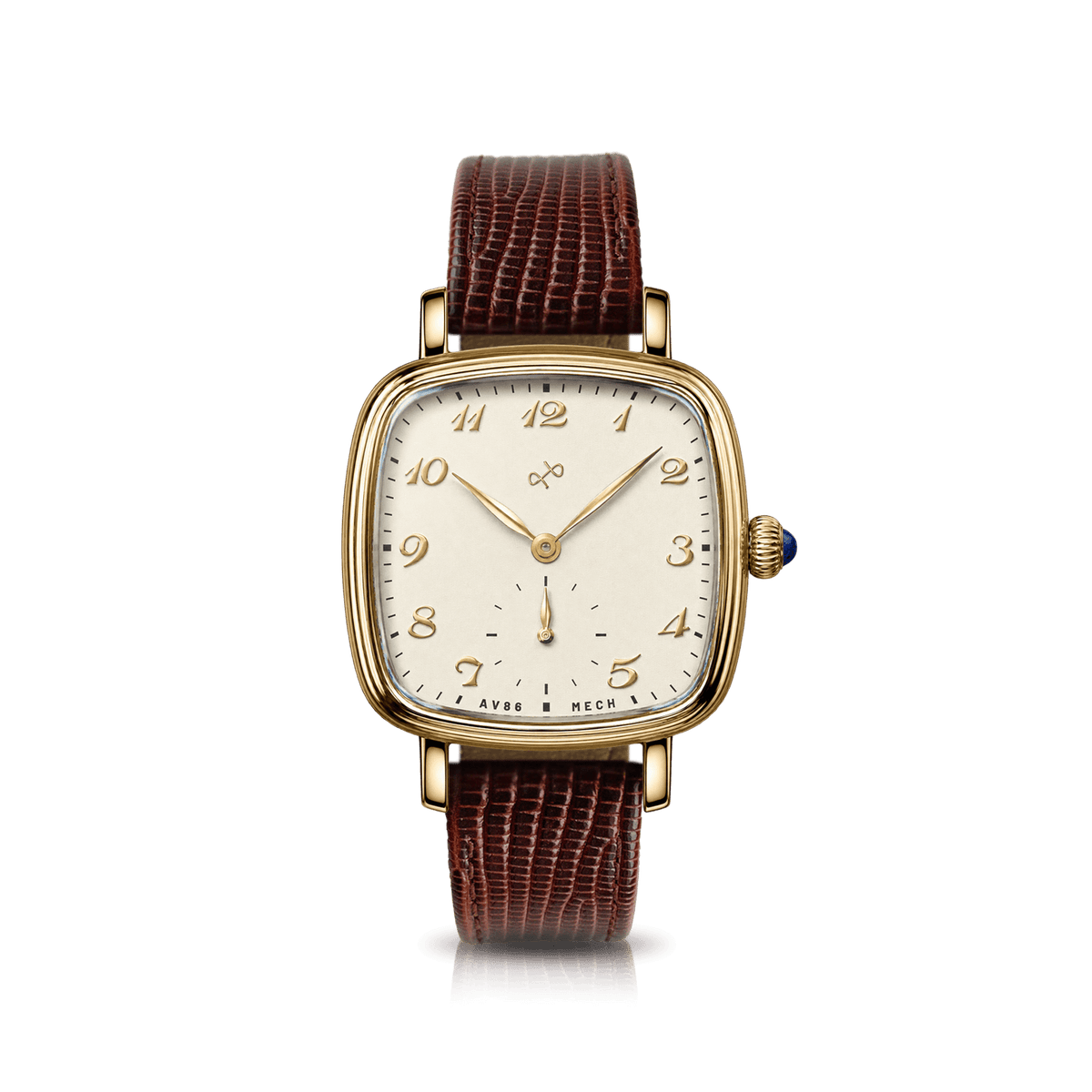
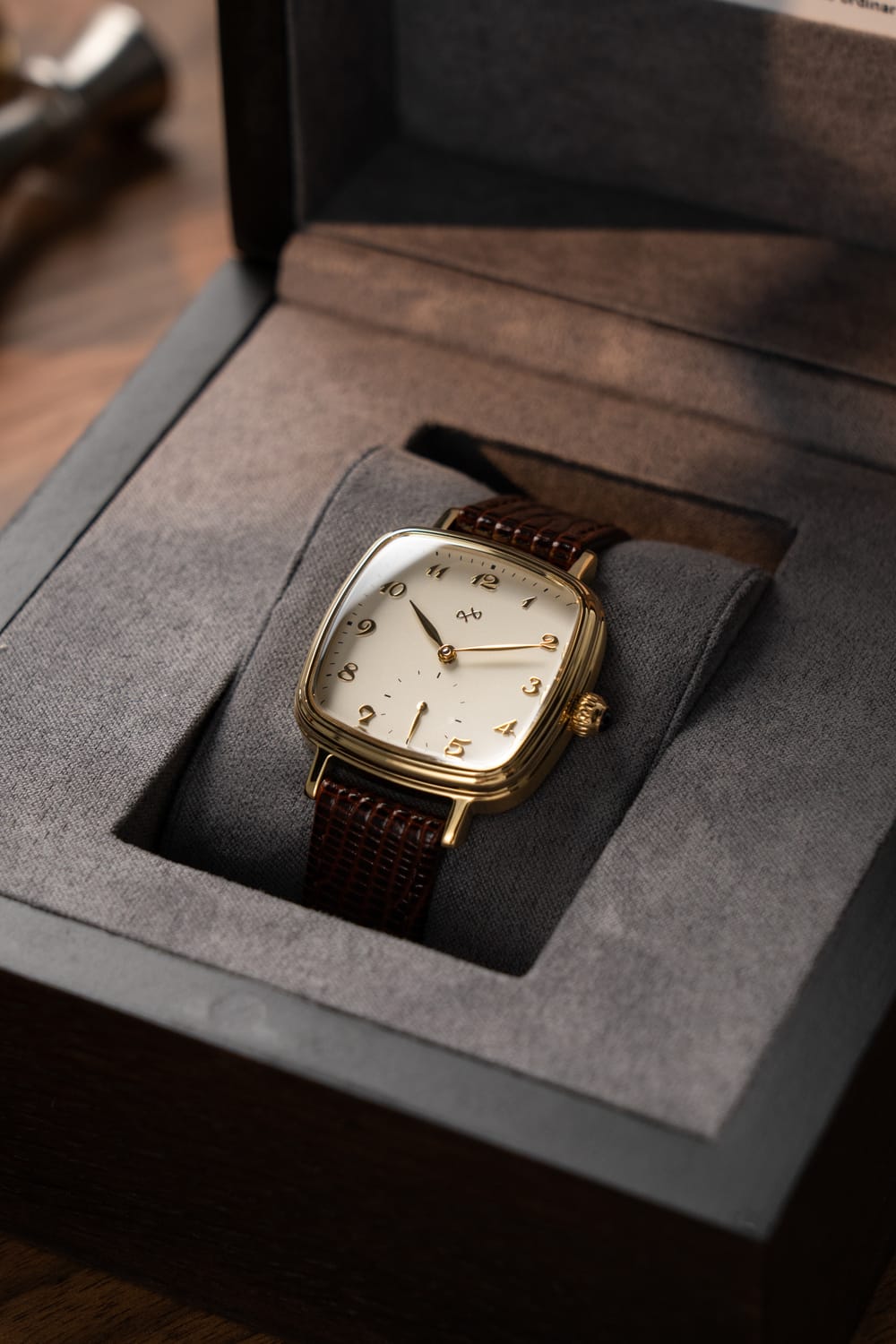
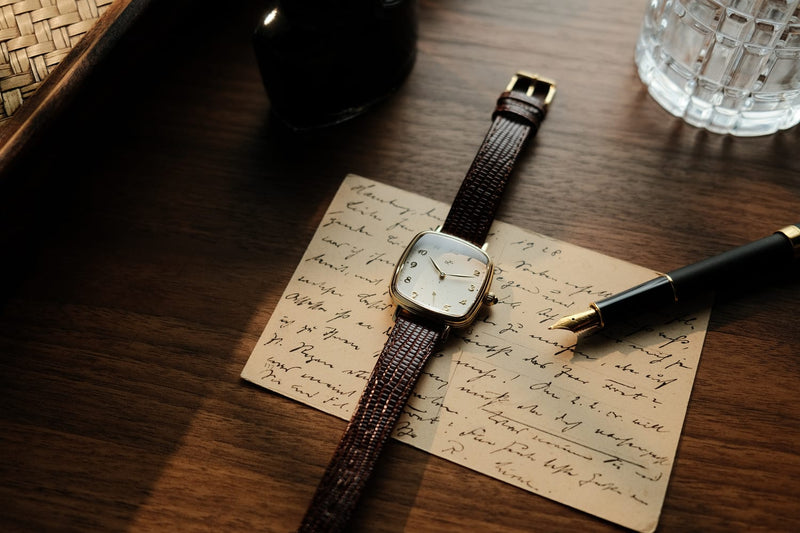
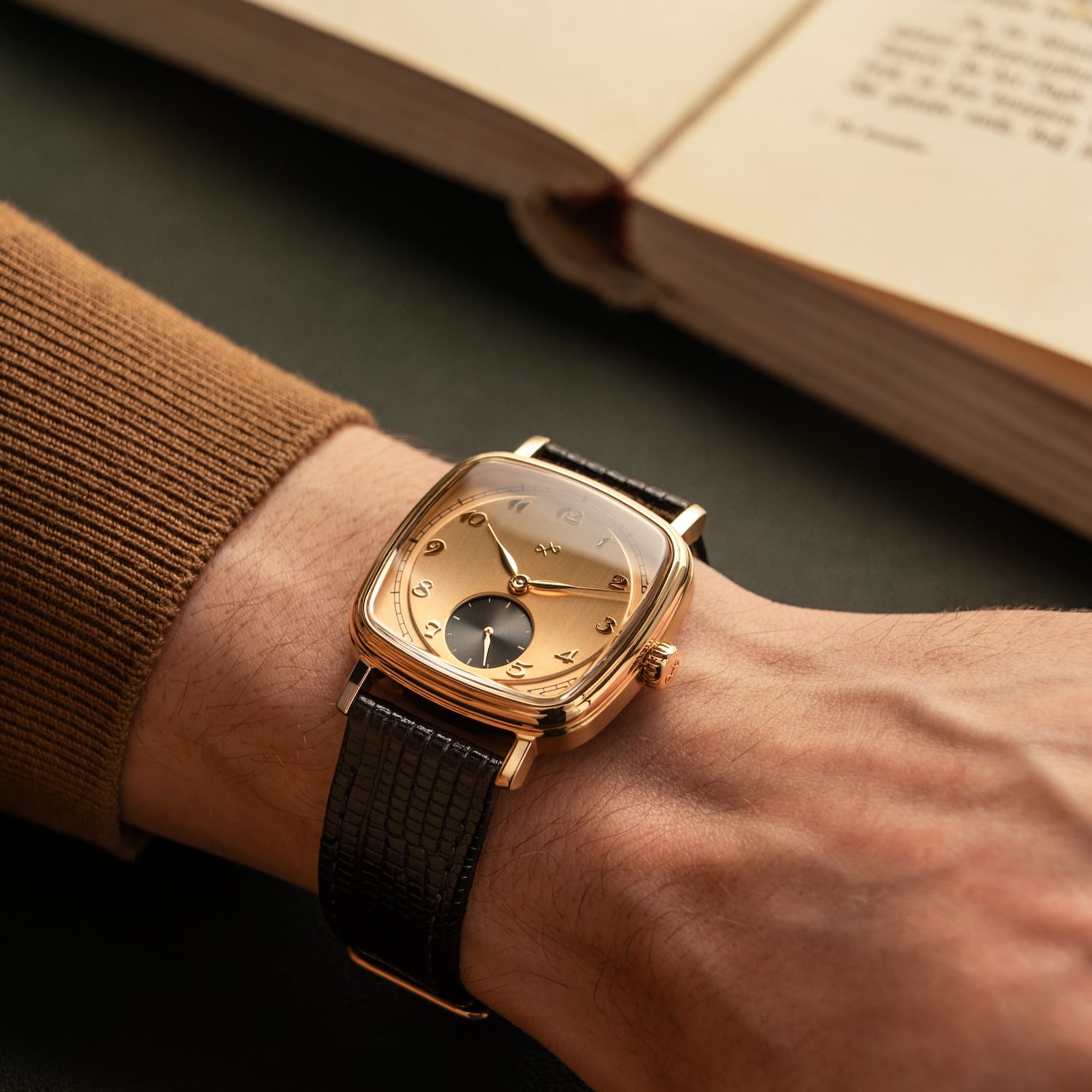
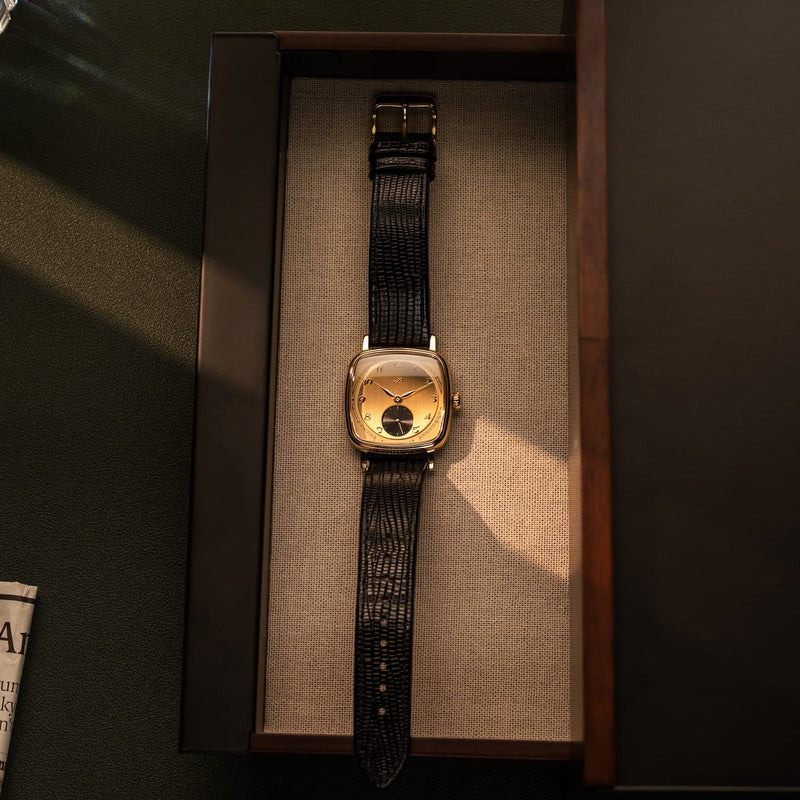
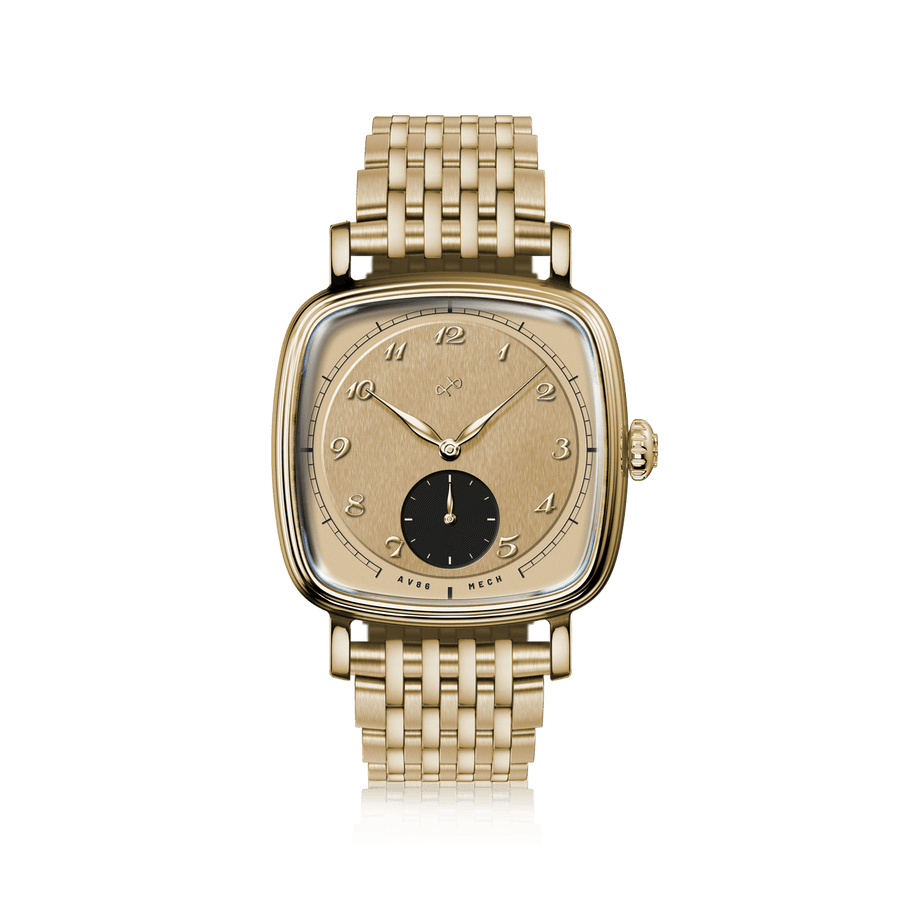
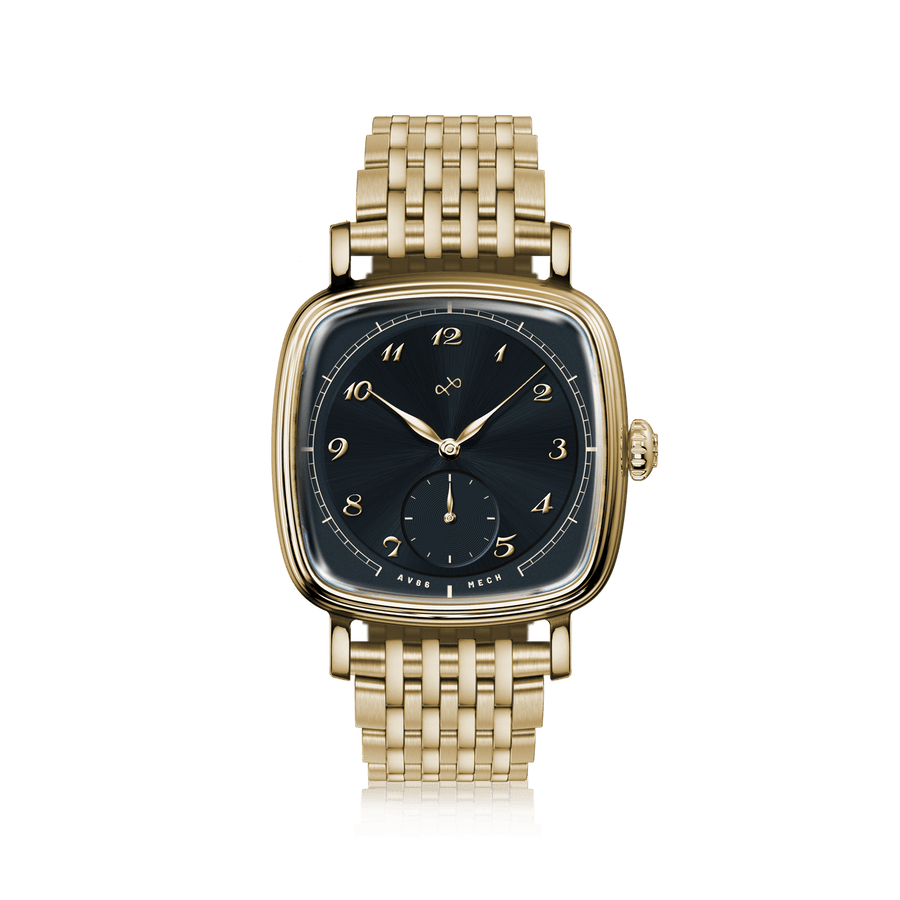
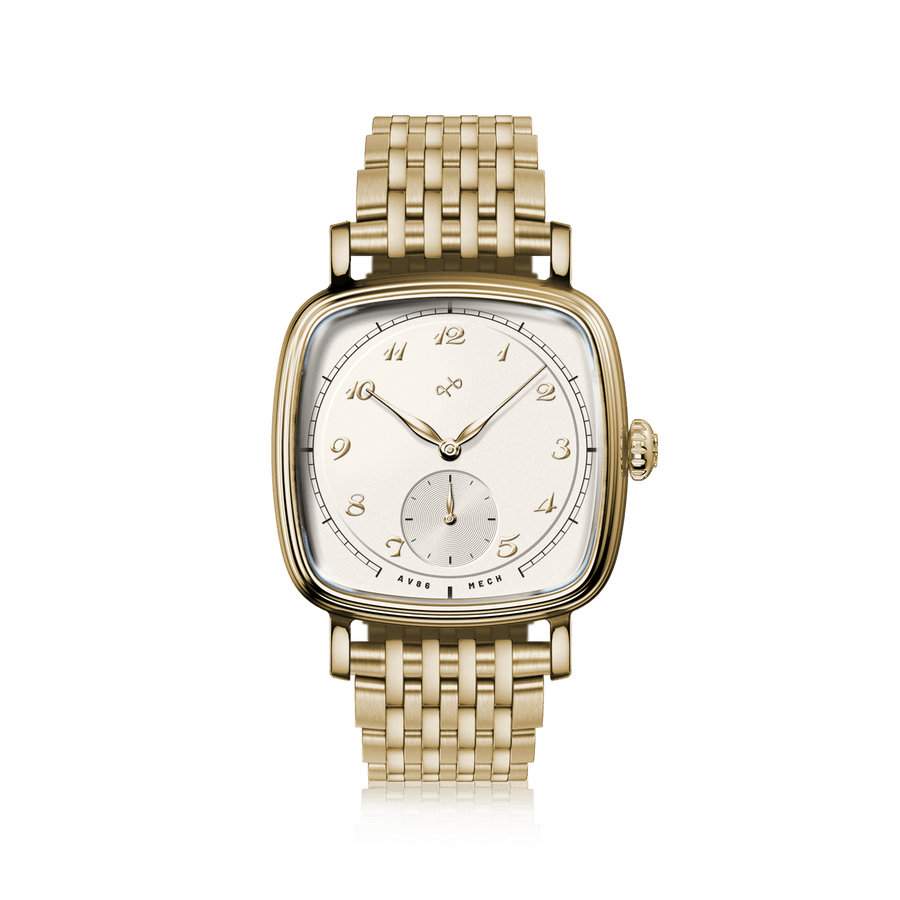
Our 1954 Amalfi and 1968 collections offer exactly this combination. The 1954 Amalfi runs on an automatic movement and is available in steel or gold-tone finishes with dials in several colours — a classic mechanical watch with approachable proportions that reads well across casual and smart-casual settings. The 1968 hand-wound models bring a more deliberate ownership experience in steel or gold-tone, with dials available in several finishes. Both lines represent the best affordable mechanical watches we make — built to a standard, not a price point.
Free worldwide shipping, a 30-day return policy with prepaid labels, and a 2-year warranty mean the first purchase carries no risk. Free personalised engraving transforms the watch into a permanent record of the moment it was given or worn for the first time. Browse our full curated collection of men's watches to find the right starting point.
Wear and occasion
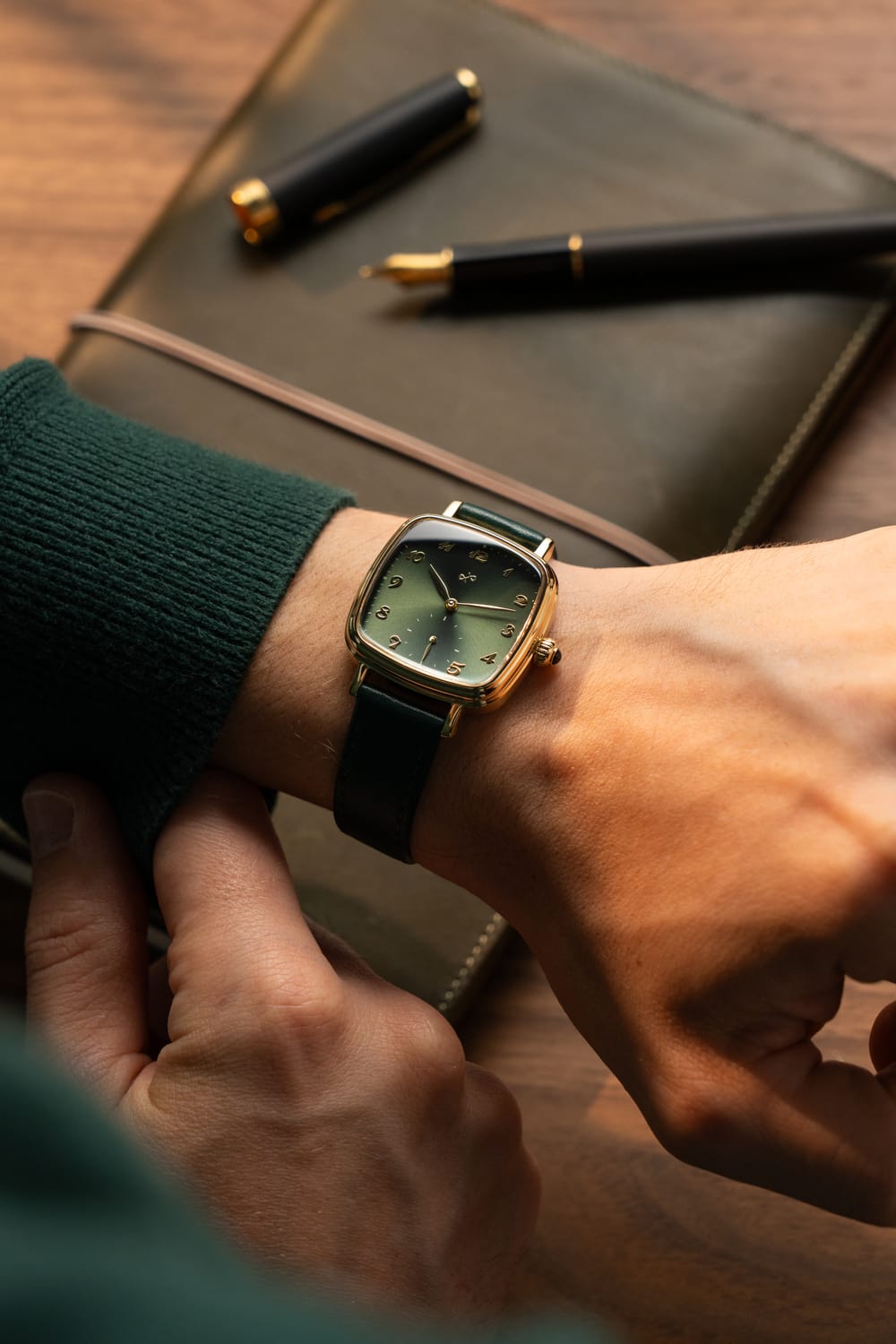
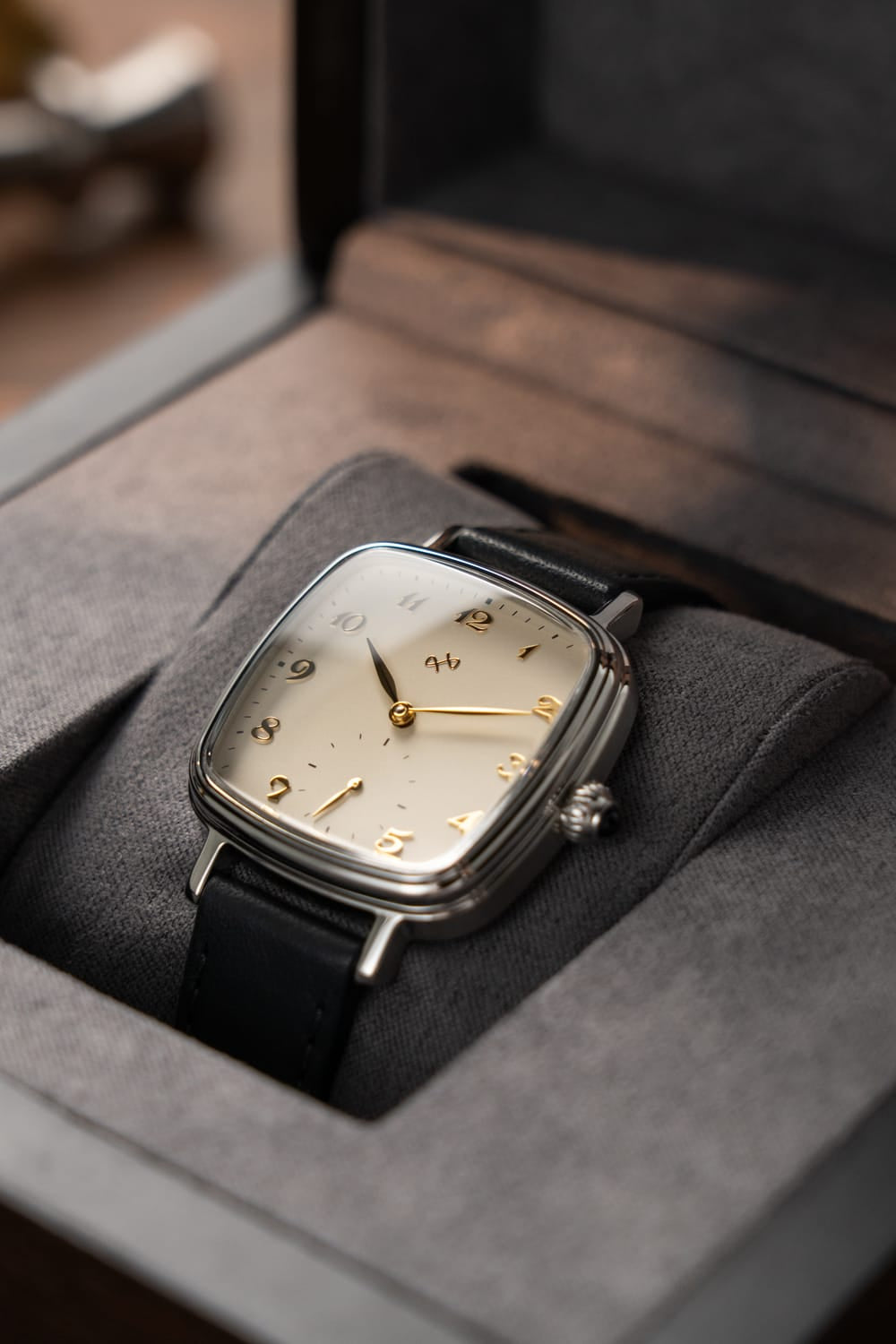
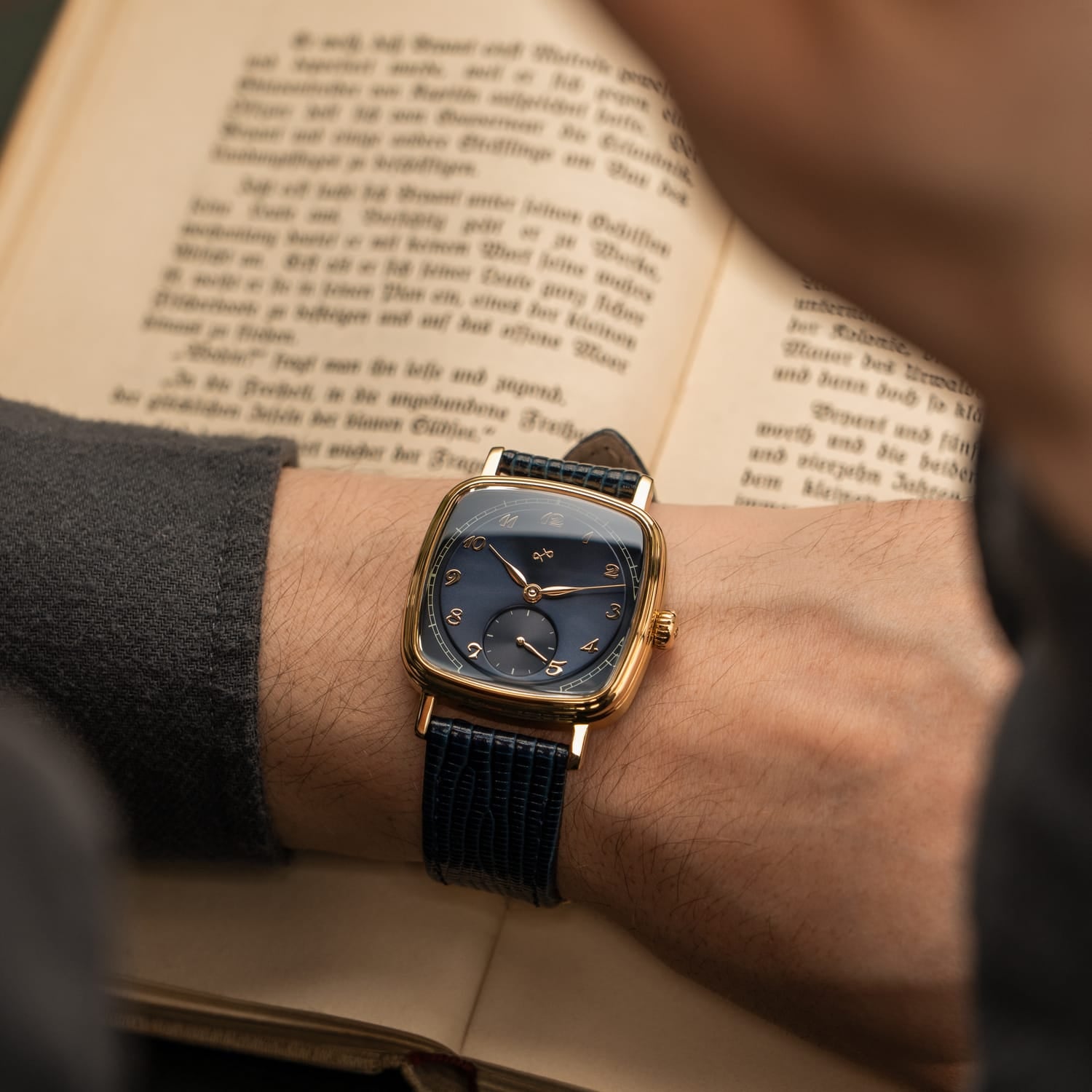
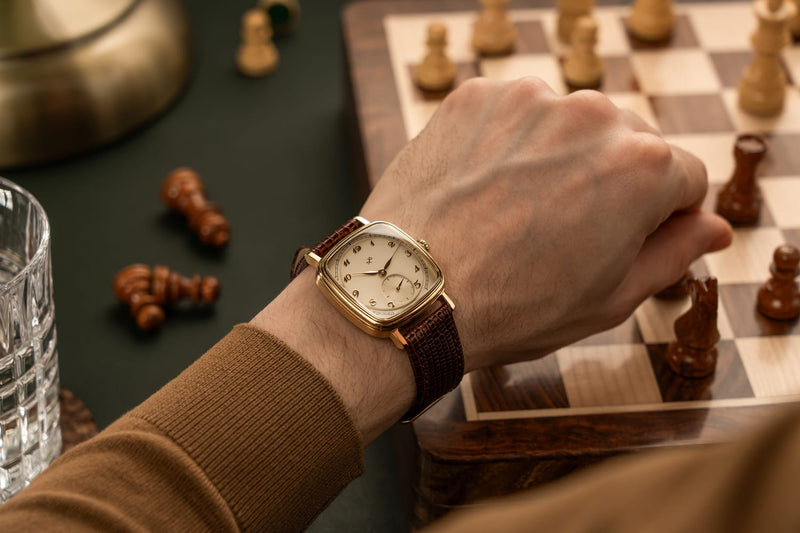
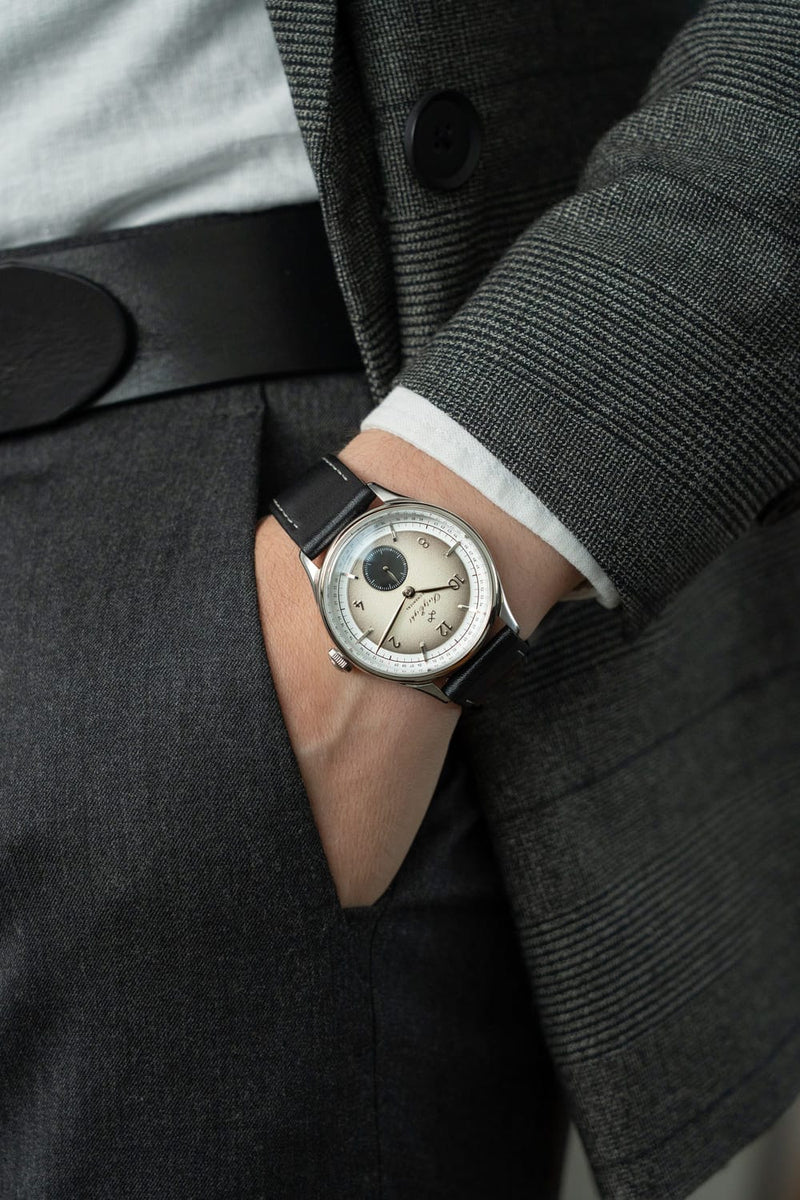
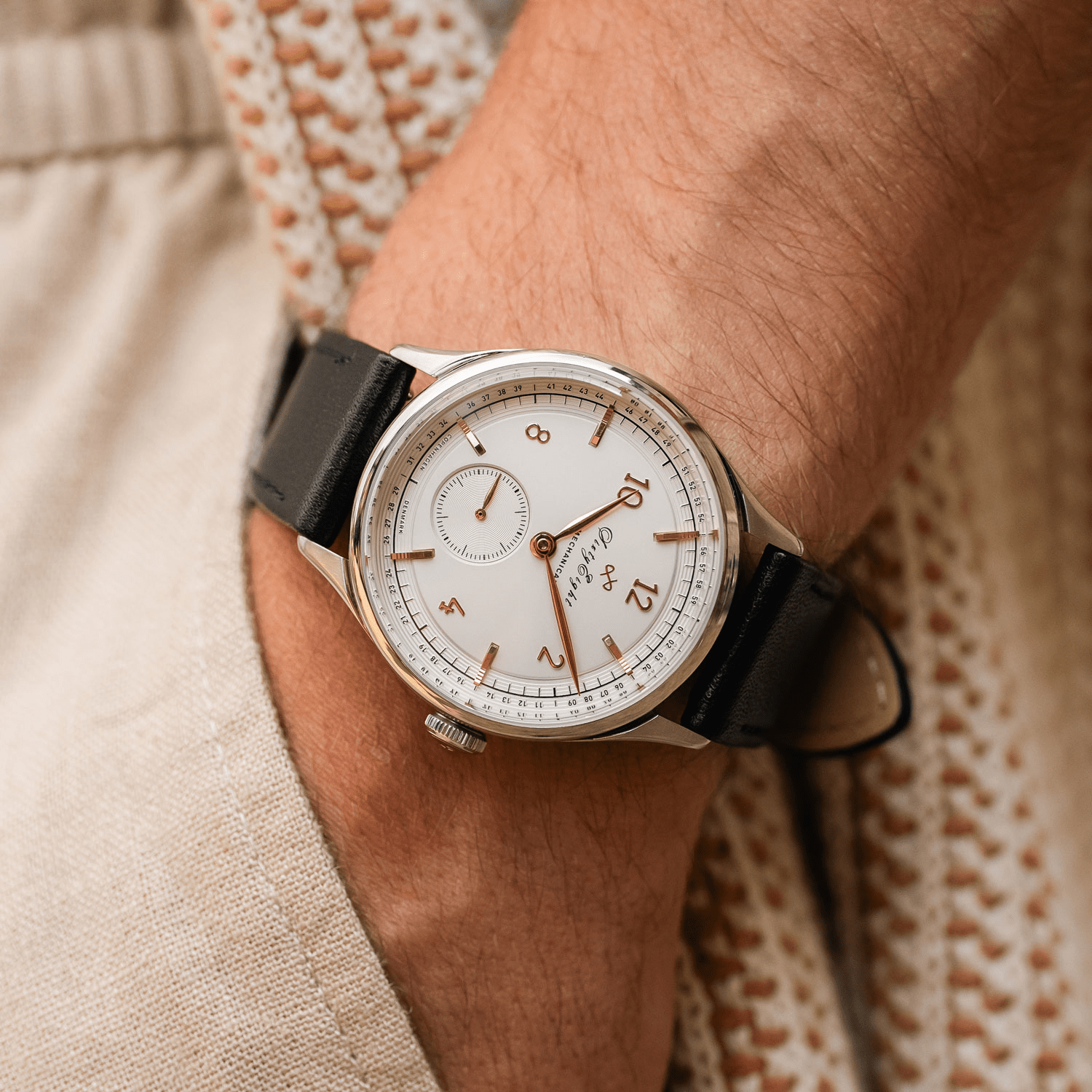
Case size, dial style, and strap choice determine how a mechanical watch reads in context. A slimmer profile in gold-tone with an off-white or white dial carries a formal quality — appropriate for weddings, anniversaries, or professional settings where restraint matters. The same movement on a leather strap or NATO in a steel case shifts the register toward everyday or smart-casual wear without any loss of character.
Our quick-release strap system makes that transition immediate. A single watch can serve a formal occasion one day and a weekend routine the next, simply by changing the strap. Chronograph and GMT complications add genuine utility for travel or structured daily use, while a clean two-hand or three-hand dial keeps things considered for those who prefer simplicity.
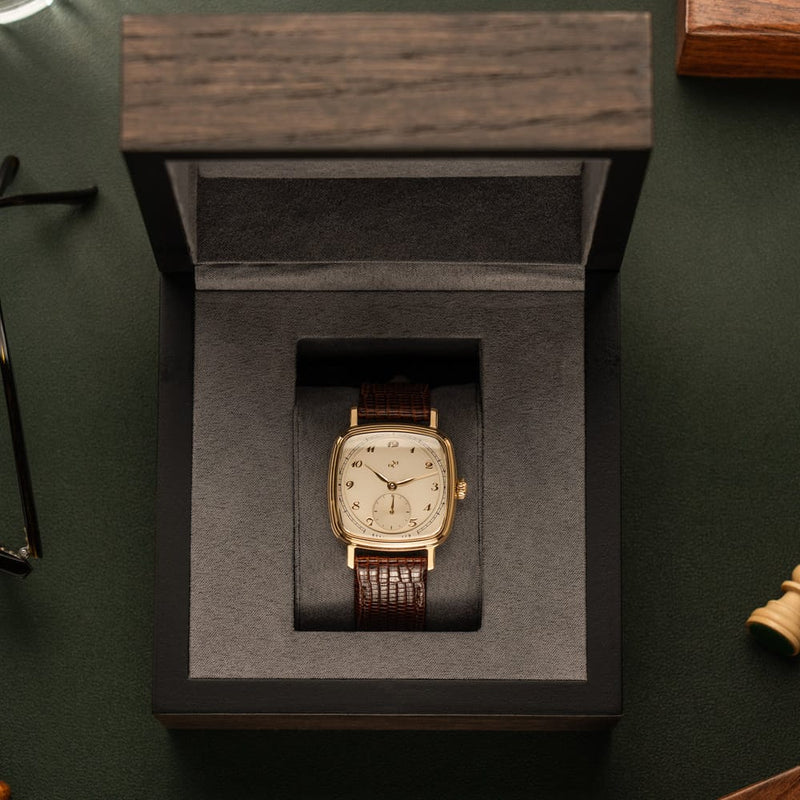
Free engraving makes any model a considered gift — a wedding date, a name, or a short message pressed into the case back becomes part of the object permanently. Because a fully mechanical watch is built to last decades, that inscription travels with it. Mark your moment.
Frequently asked questions
What does it mean if a watch is mechanical?
A mechanical watch is powered entirely by a wound spring — called a mainspring — rather than a battery. Energy stored in the mainspring is released through a series of gears and regulated by a balance wheel and escapement, which produces the characteristic ticking sound. The watch can be wound by hand (hand-wound) or automatically via a rotor that spins with wrist movement (automatic). No electricity, no battery, no software — just precision engineering.
What is better, a mechanical or automatic watch?
Both are mechanical watches — the distinction is how they are wound. A hand-wound (manual) watch must be wound via the crown every few days, offering a deliberate, tactile ritual. An automatic watch winds itself through wrist movement via an internal rotor, making it more convenient for daily wear. If you wear your watch consistently, an automatic is the more practical choice. If you appreciate the mindful act of winding and prefer a slimmer movement profile, a hand-wound watch is rewarding. We offer both types across our collections.
How often do I need to wind a mechanical watch?
A hand-wound mechanical watch typically needs winding every one to three days, depending on its power reserve. An automatic watch winds itself through wrist movement and generally does not need manual winding if worn daily. If an automatic watch stops after sitting unworn, winding it manually via the crown — around 20 to 30 turns — before putting it on restores the power reserve quickly. We recommend checking your specific model's power reserve; most movements in the collection offer 38 to 48 hours of reserve.
What is a power reserve and why does it matter?
Power reserve is the length of time a fully wound mechanical watch will continue running without being worn or wound again. A 40-hour power reserve means the watch will keep ticking for roughly 40 hours from full wind. This matters practically: a watch with a 38-hour reserve left on the nightstand Friday evening may stop by Sunday morning. Knowing your watch's power reserve helps you build a simple wearing routine. Higher power reserves — 60 to 80 hours or more — suit people who rotate between multiple watches.
What is the difference between sapphire crystal and mineral crystal on a watch?
Sapphire crystal is significantly harder than mineral glass — it sits at 9 on the Mohs scale, making it highly resistant to everyday scratches from keys, surfaces, and general wear. Mineral crystal is more affordable but scratches more easily over time. We use sapphire crystal across our mechanical watch range, ensuring the dial remains clear and legible for years without the haze that builds up on softer crystals.
Can I engrave a mechanical watch as a gift?
Yes — and we include free personalised engraving on every watch. Engraving transforms a mechanical watch from a beautiful object into a permanent record of a meaningful moment: a wedding date, a name, a short message. Because mechanical watches are built to last decades, an engraved watch becomes a keepsake that can be passed down. Engraving is included at no extra cost, with free worldwide shipping and a 30-day return policy for complete peace of mind.