



















Chronograph watches
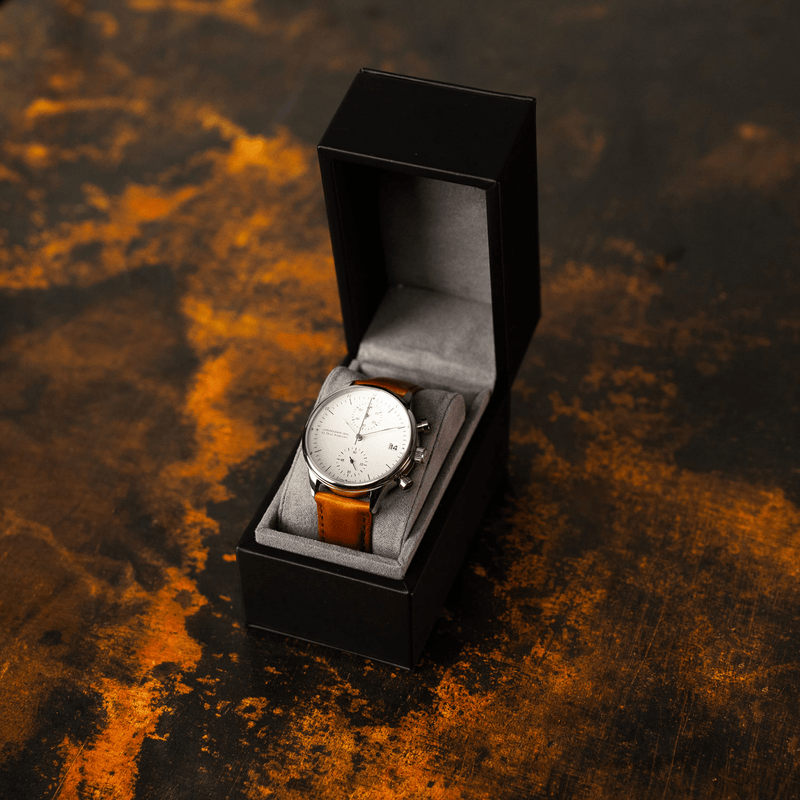
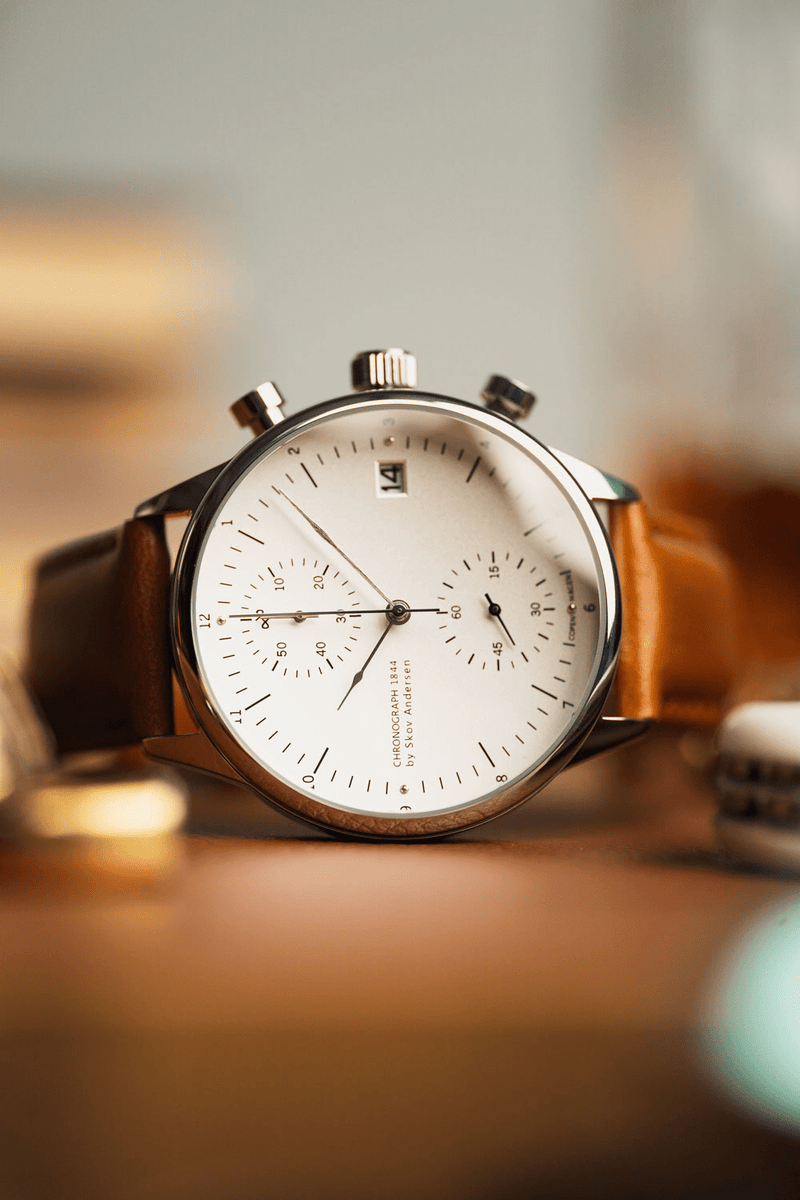
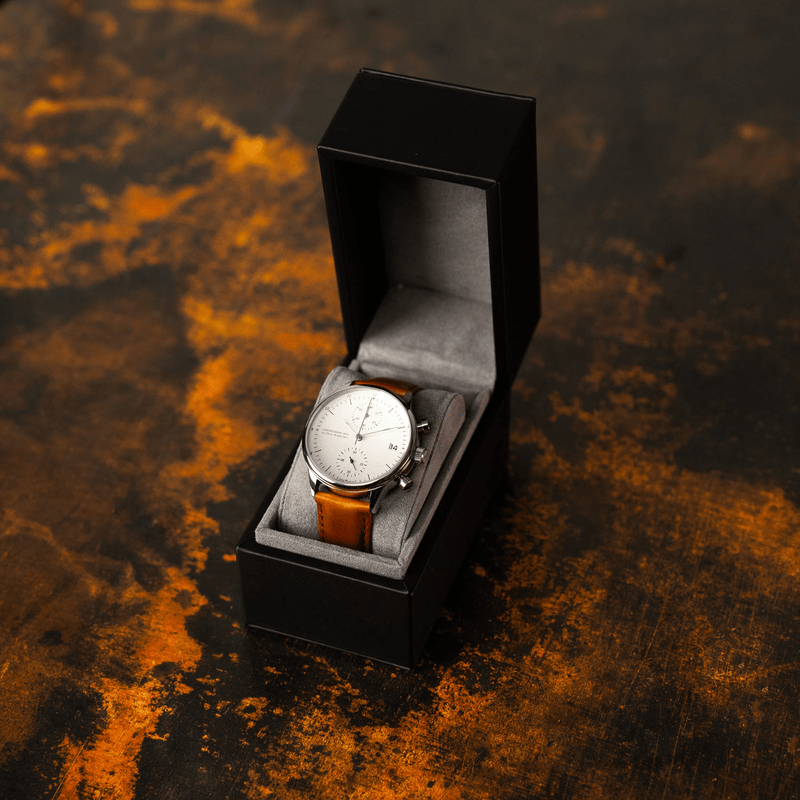
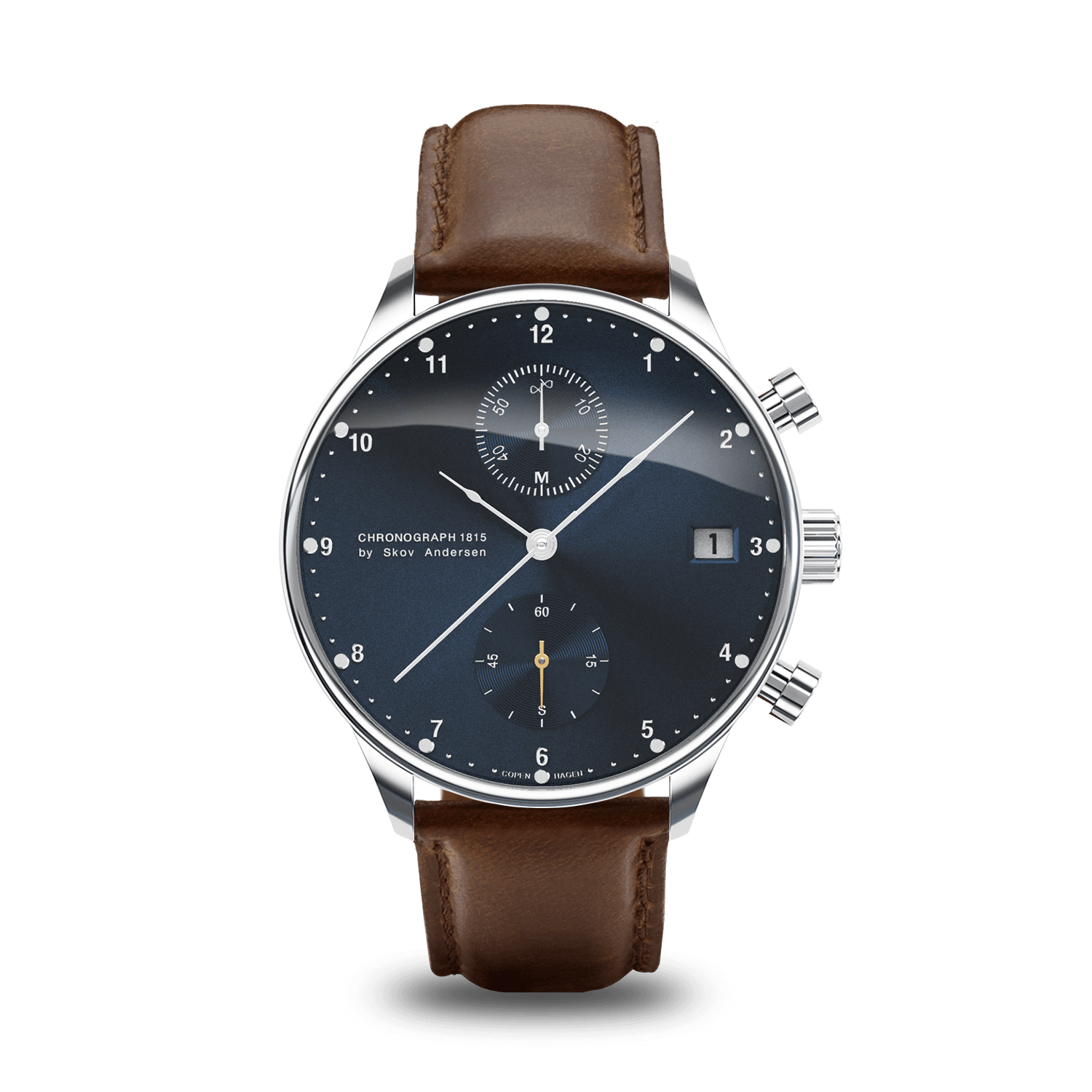
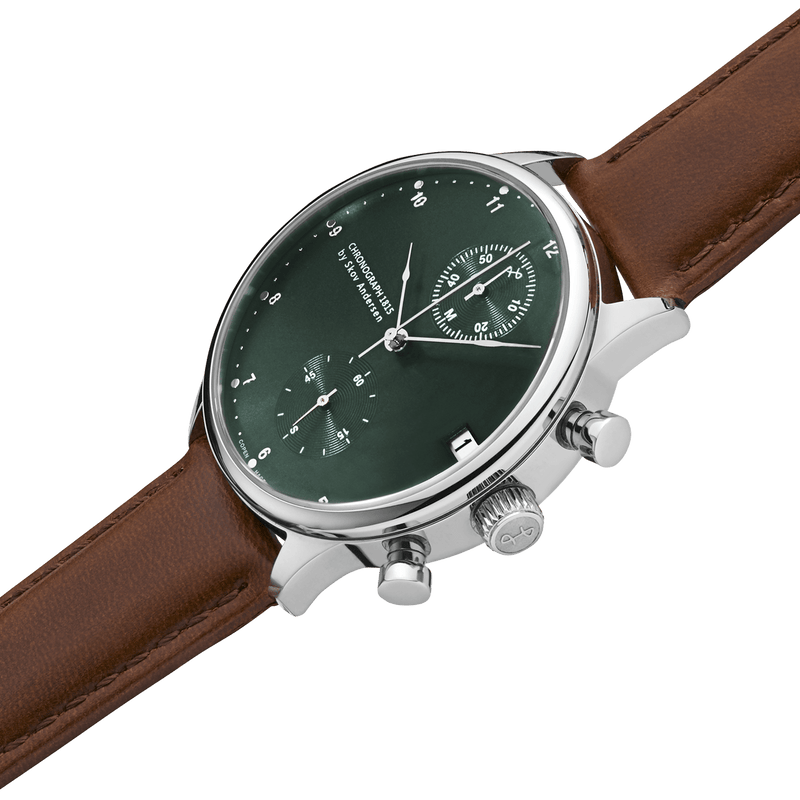
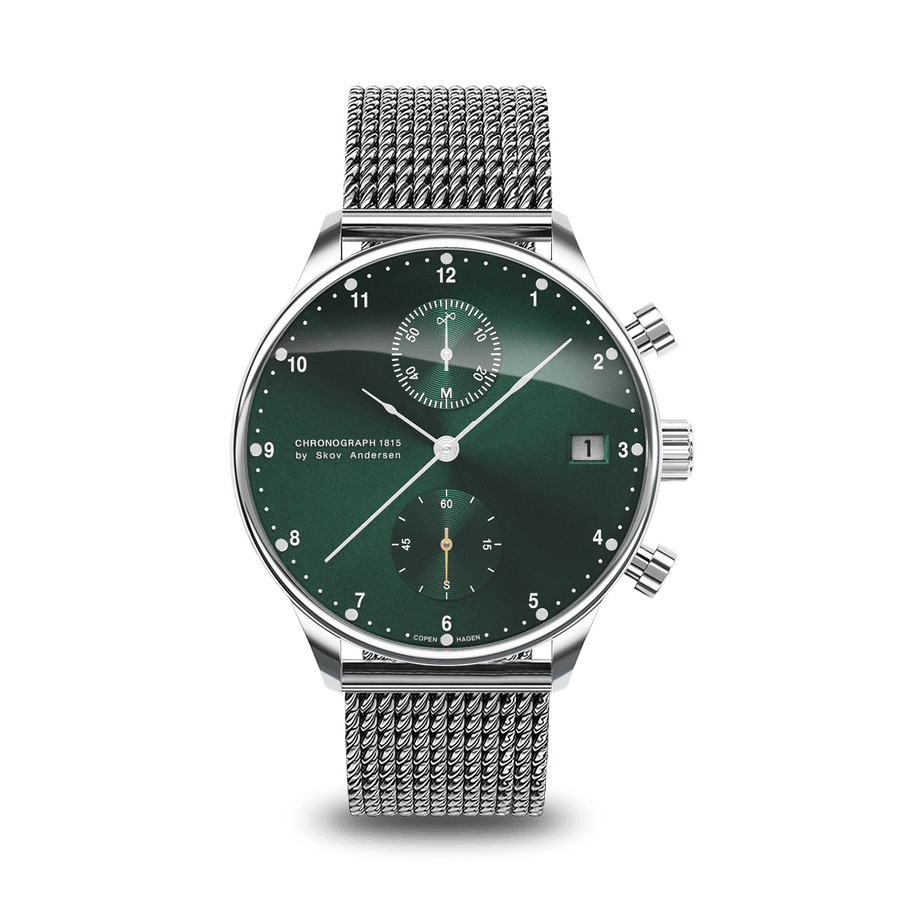
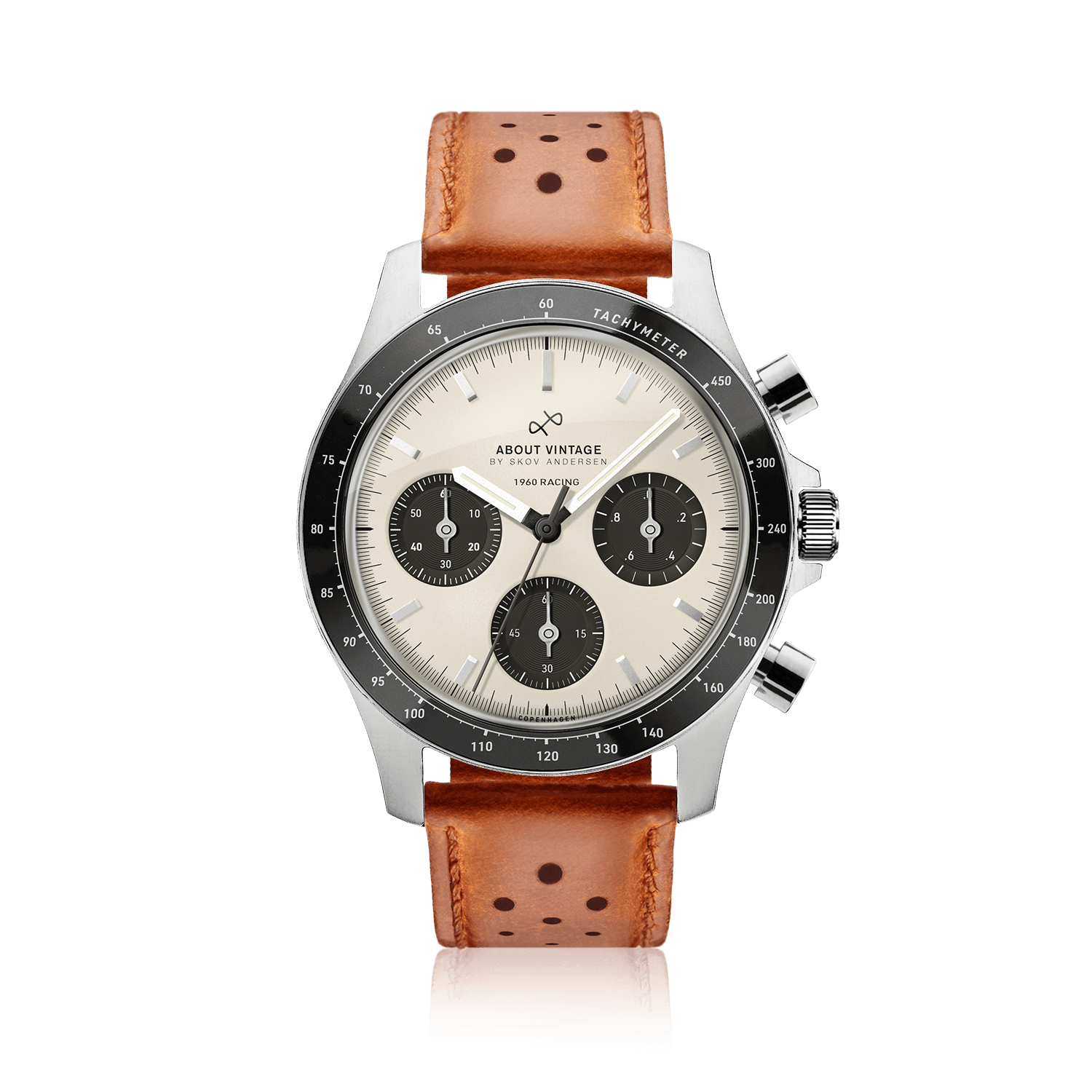
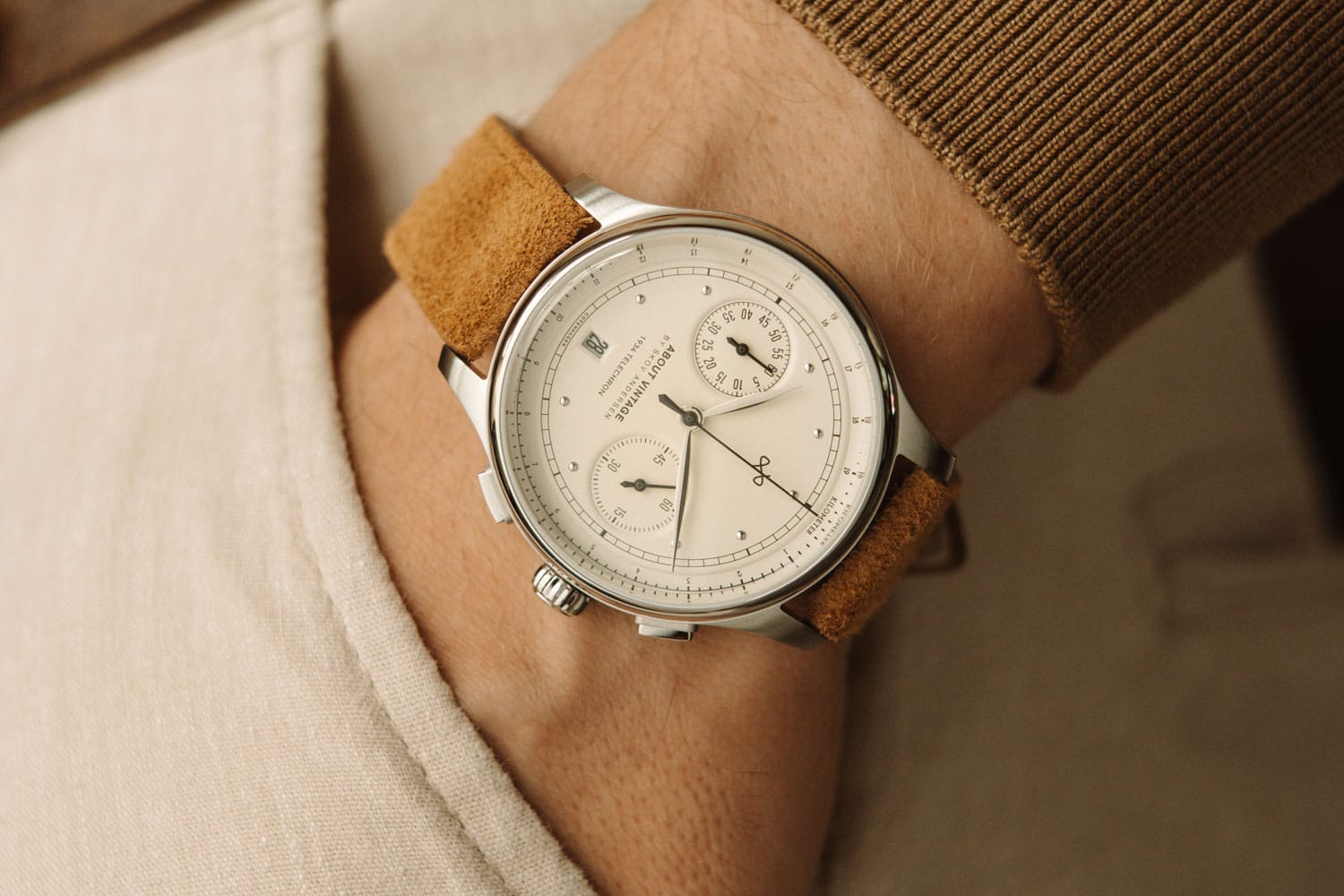
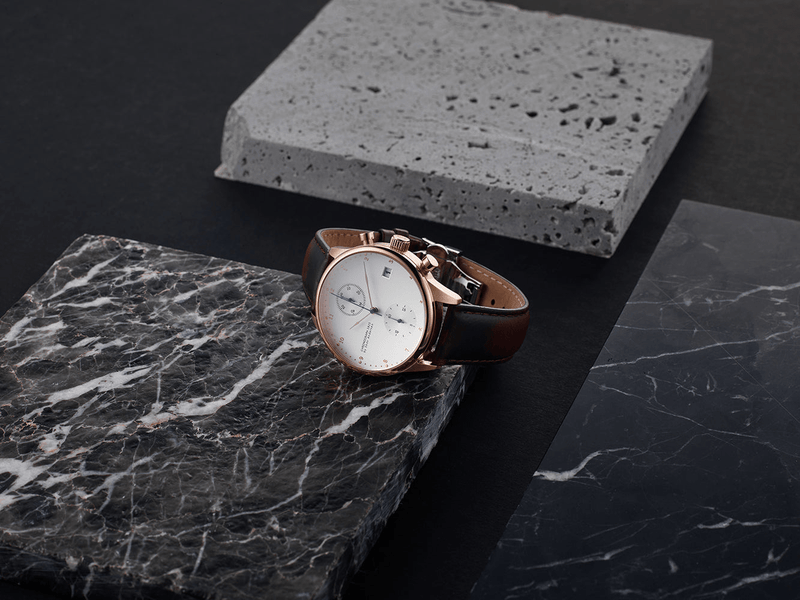
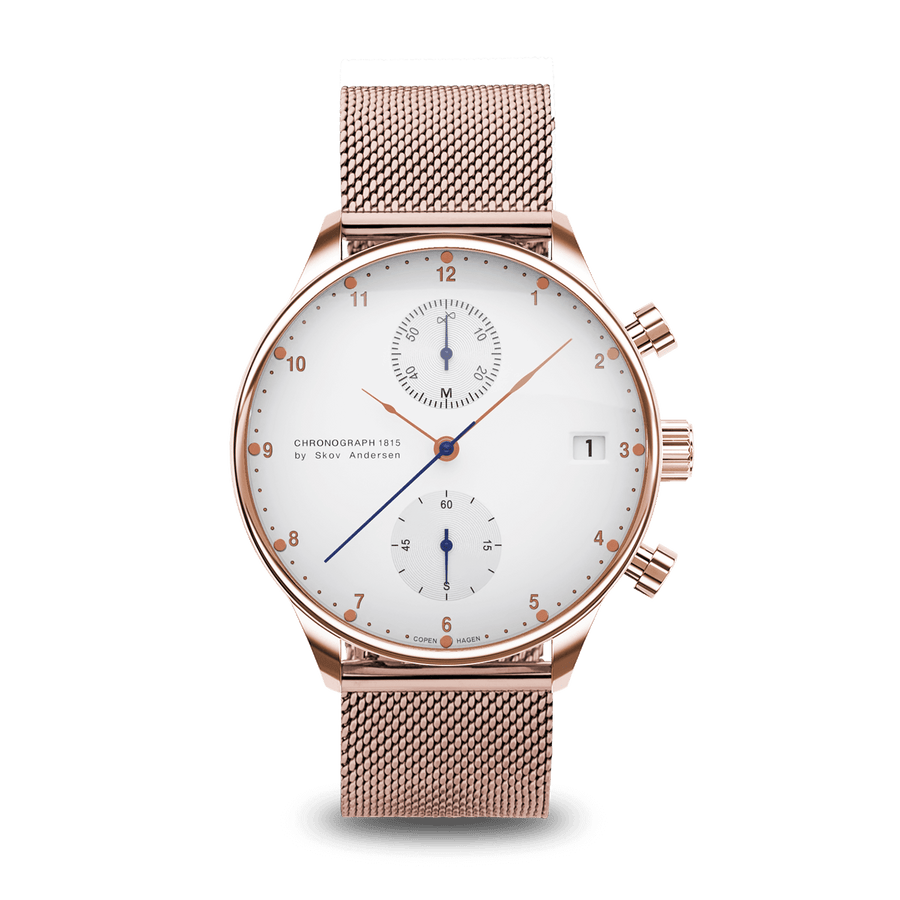
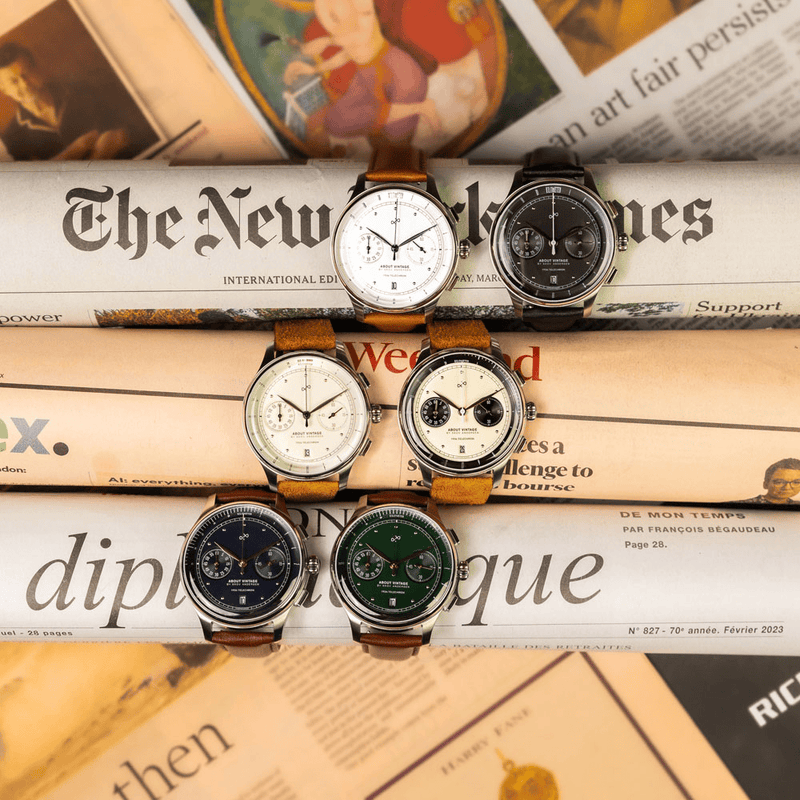
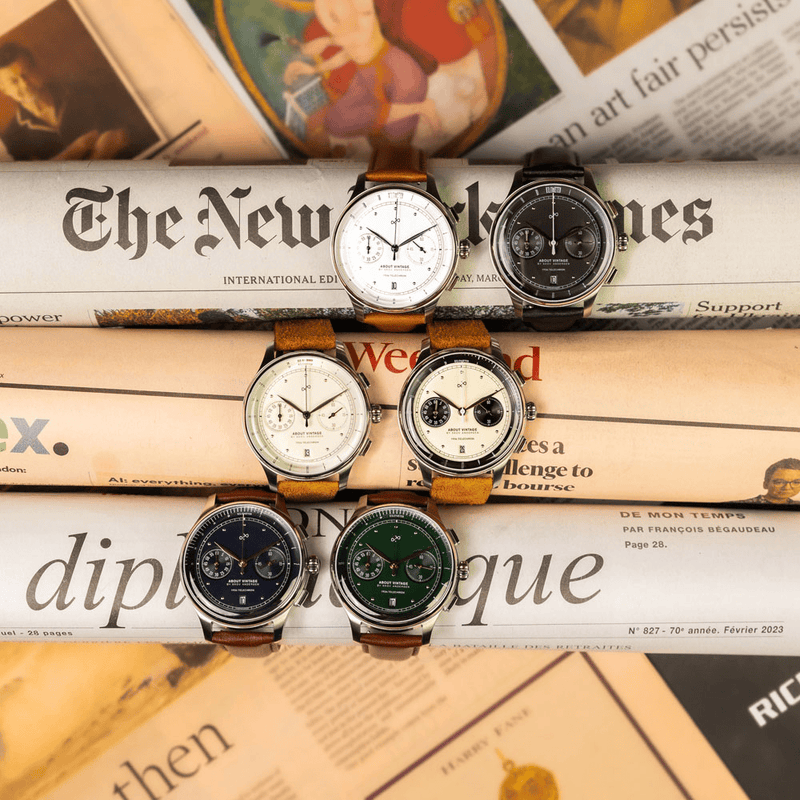
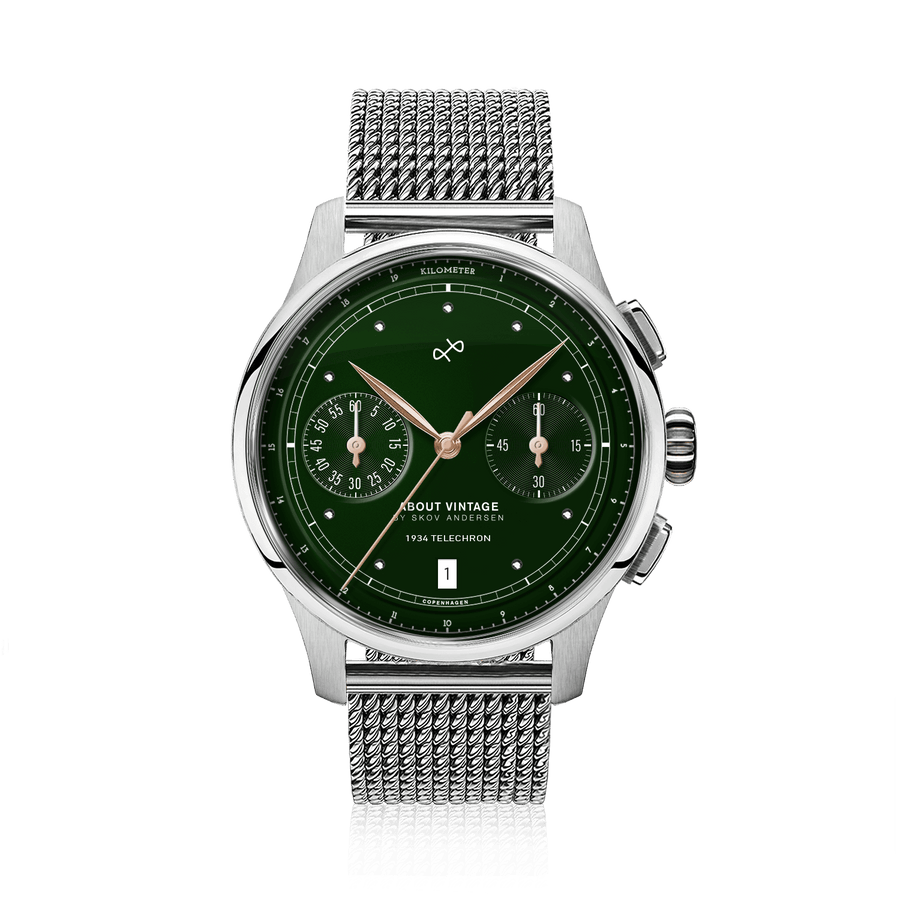
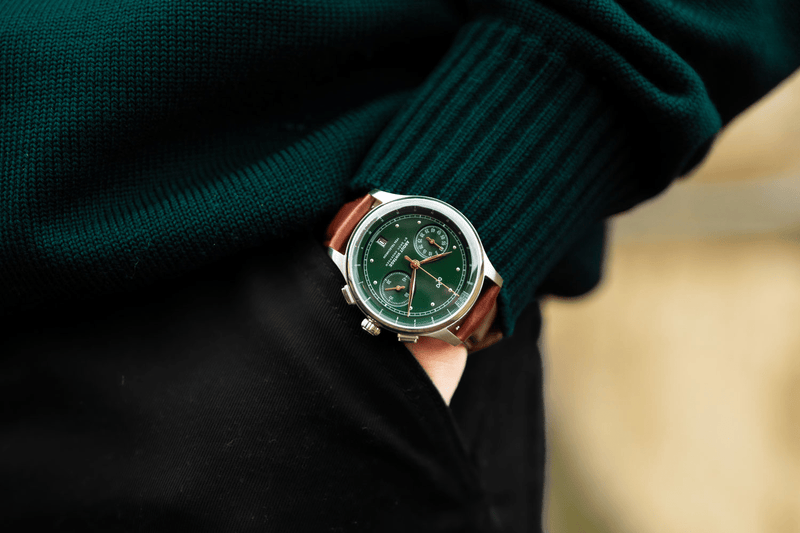
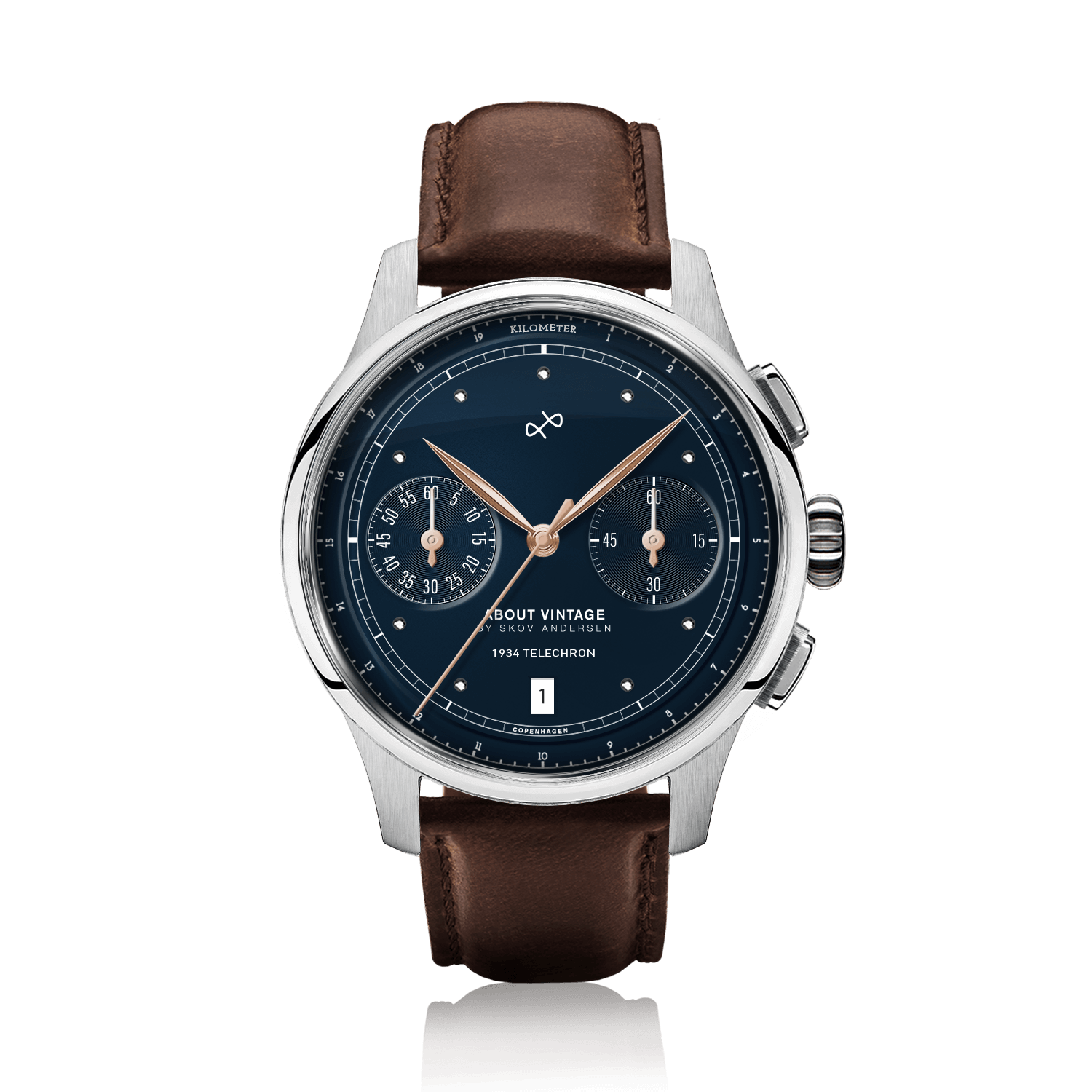
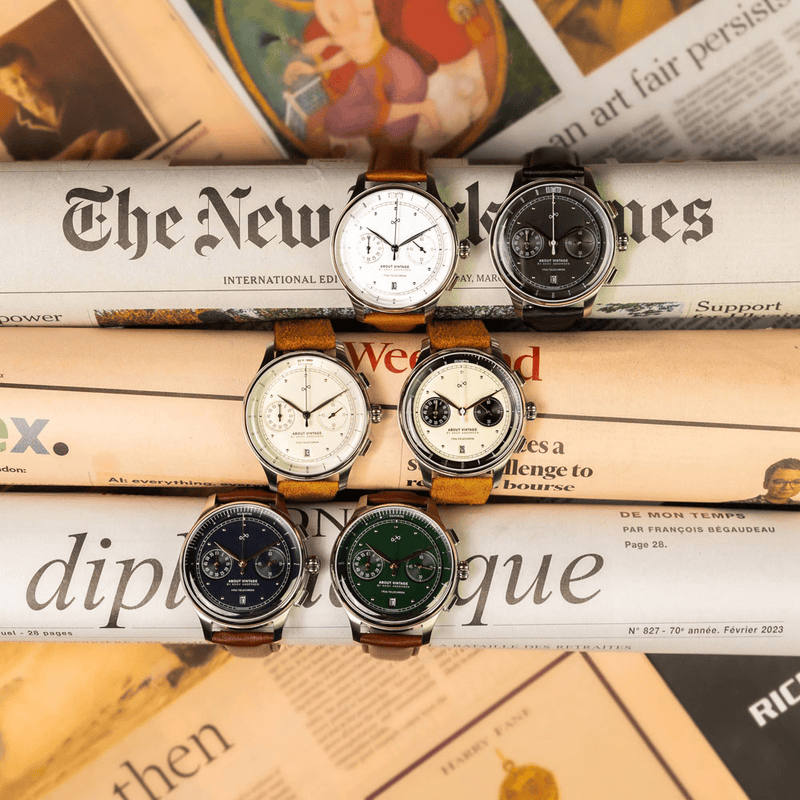
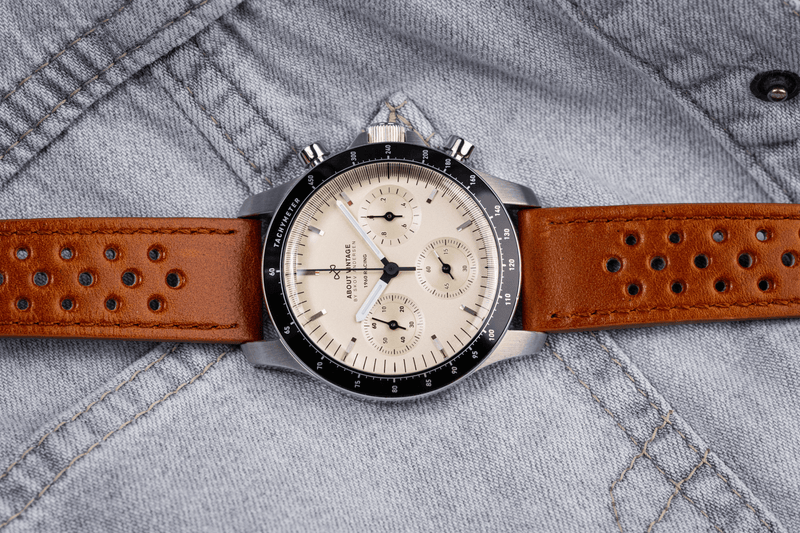
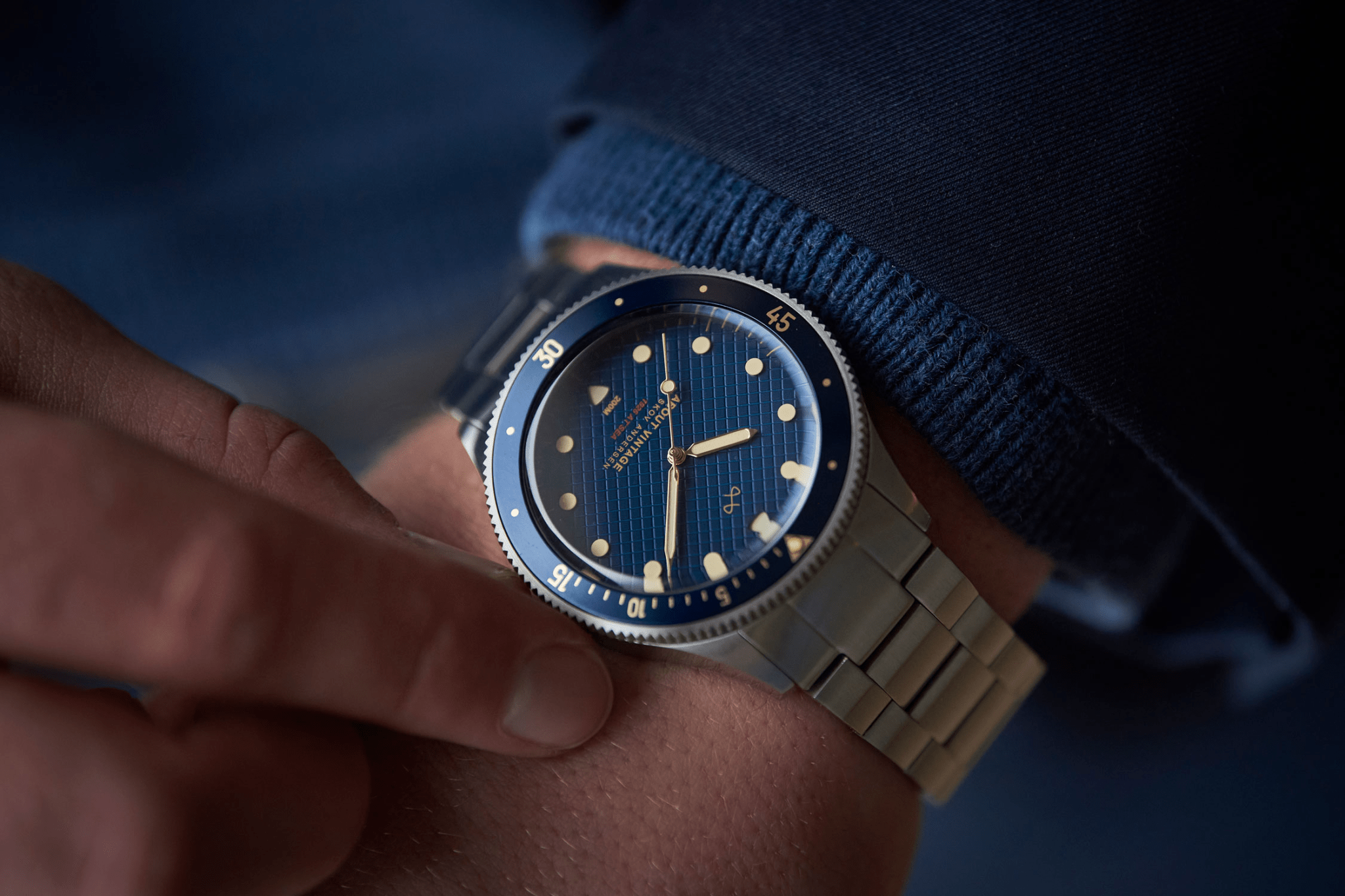
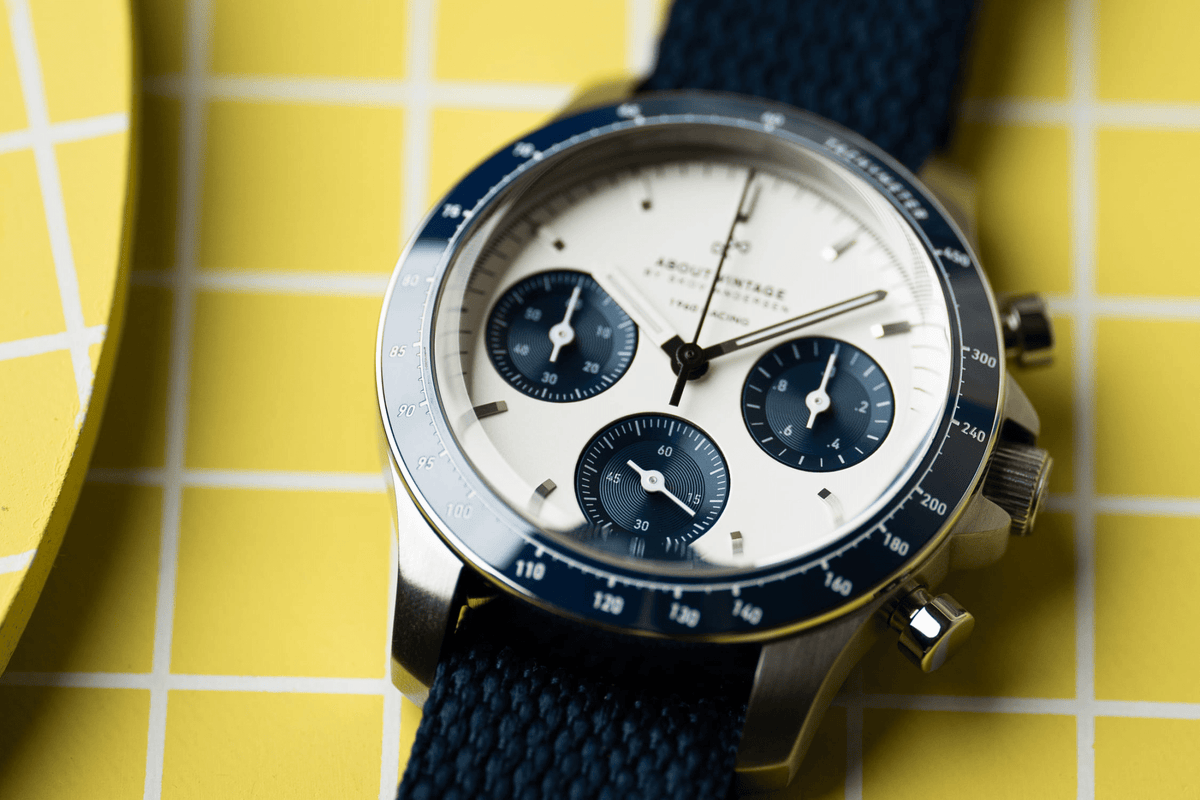
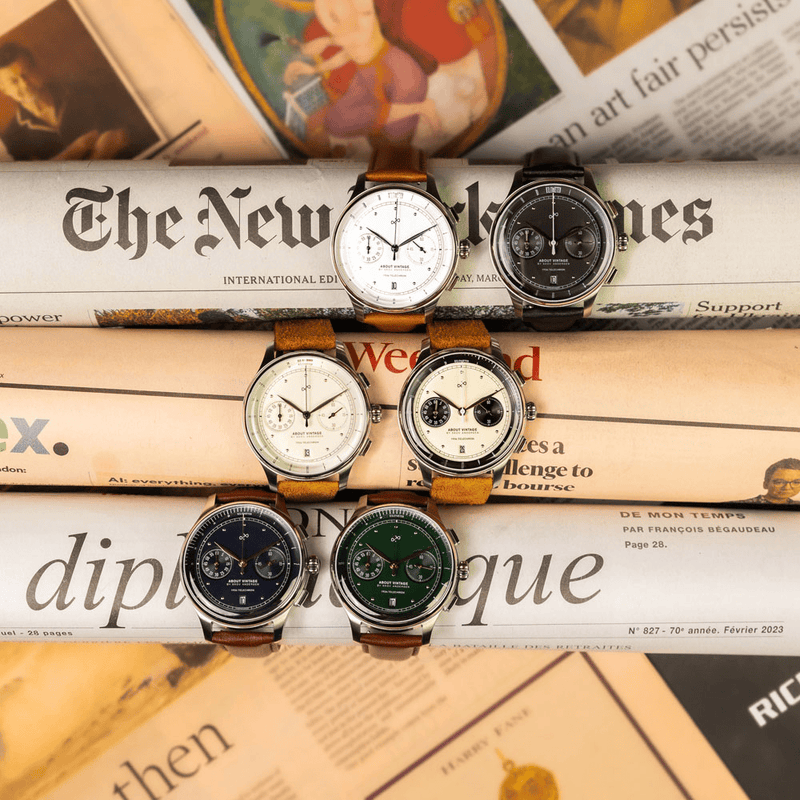
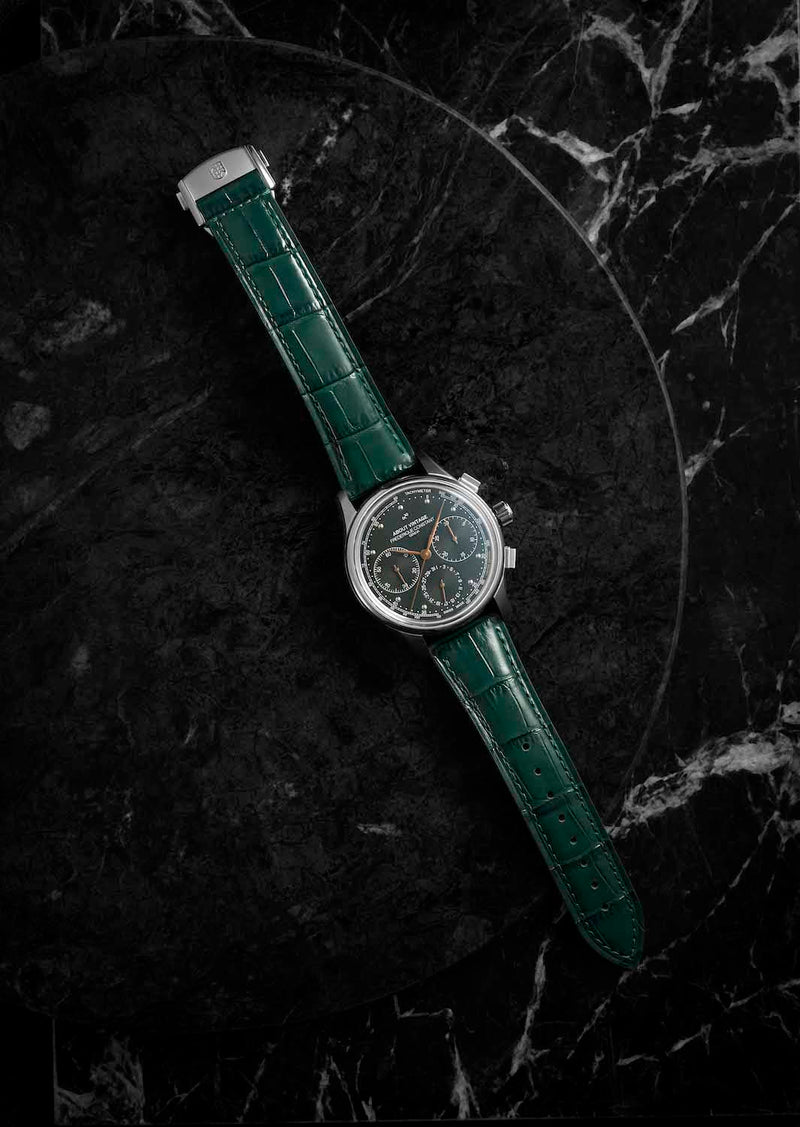
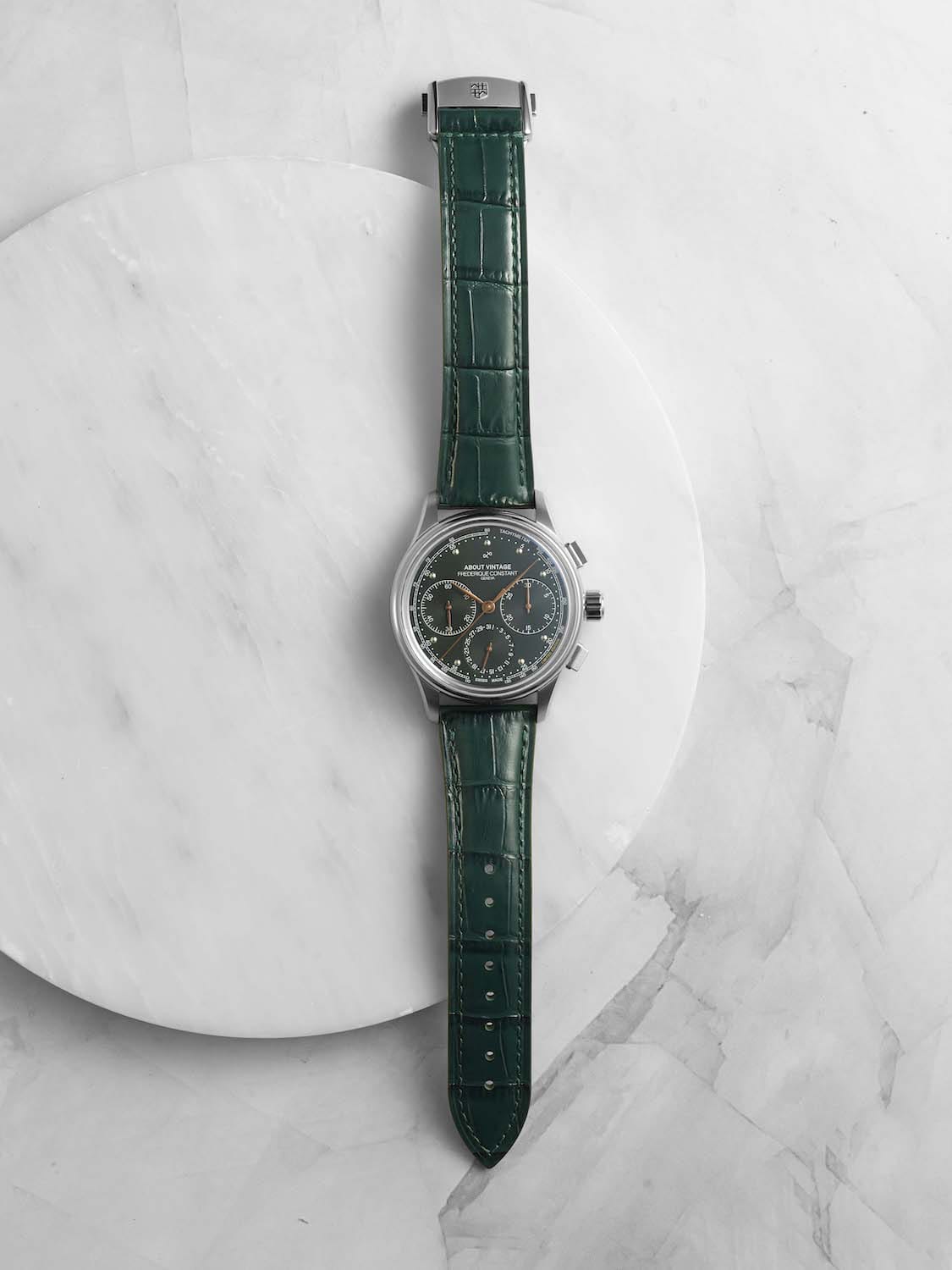
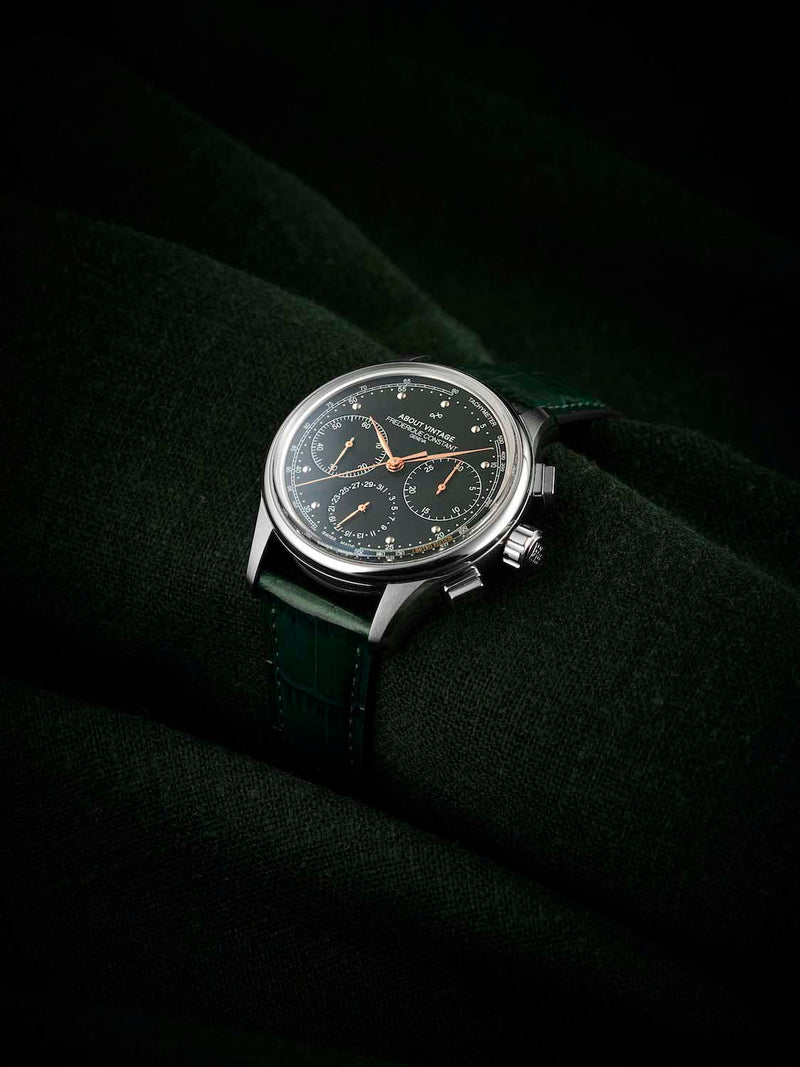
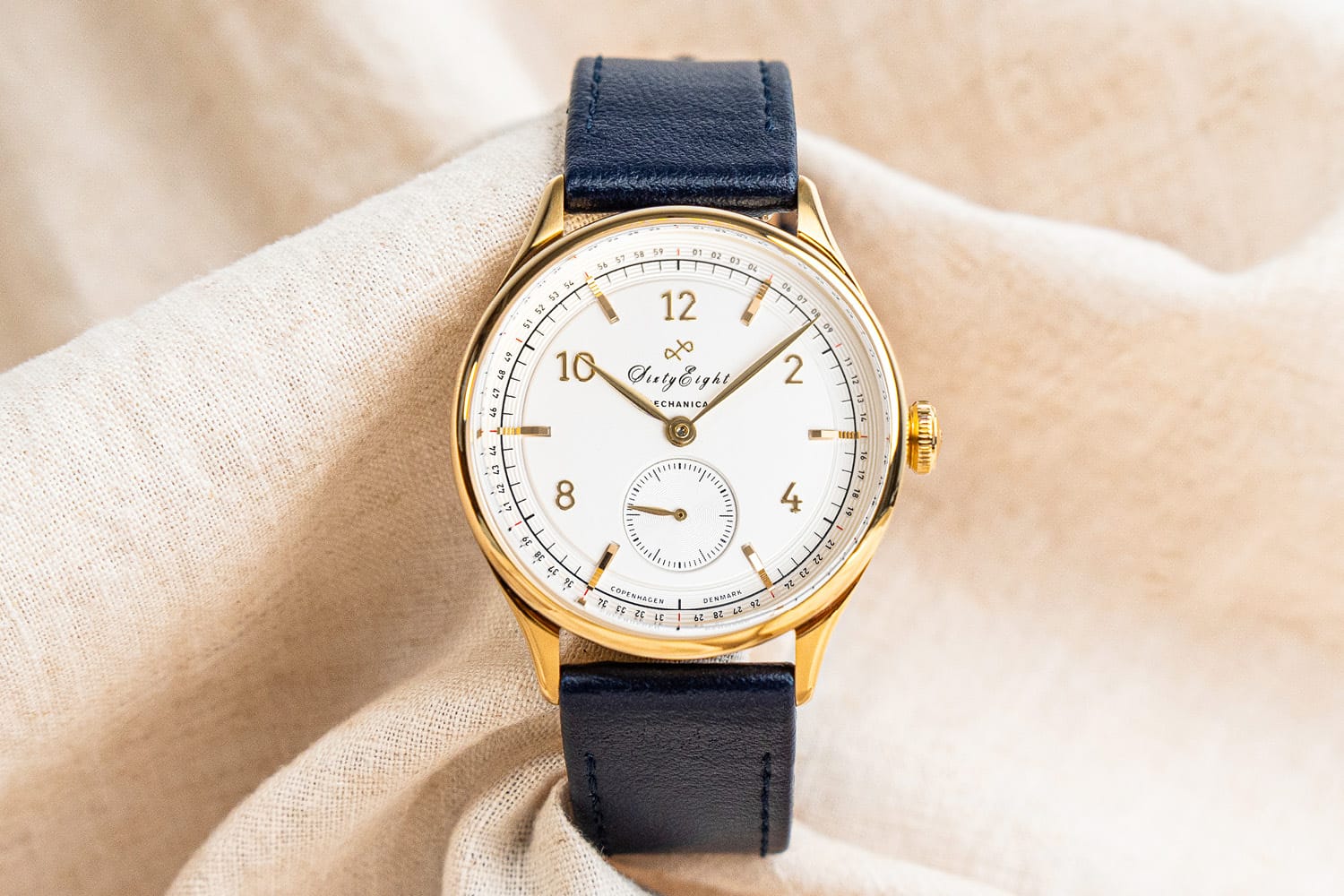
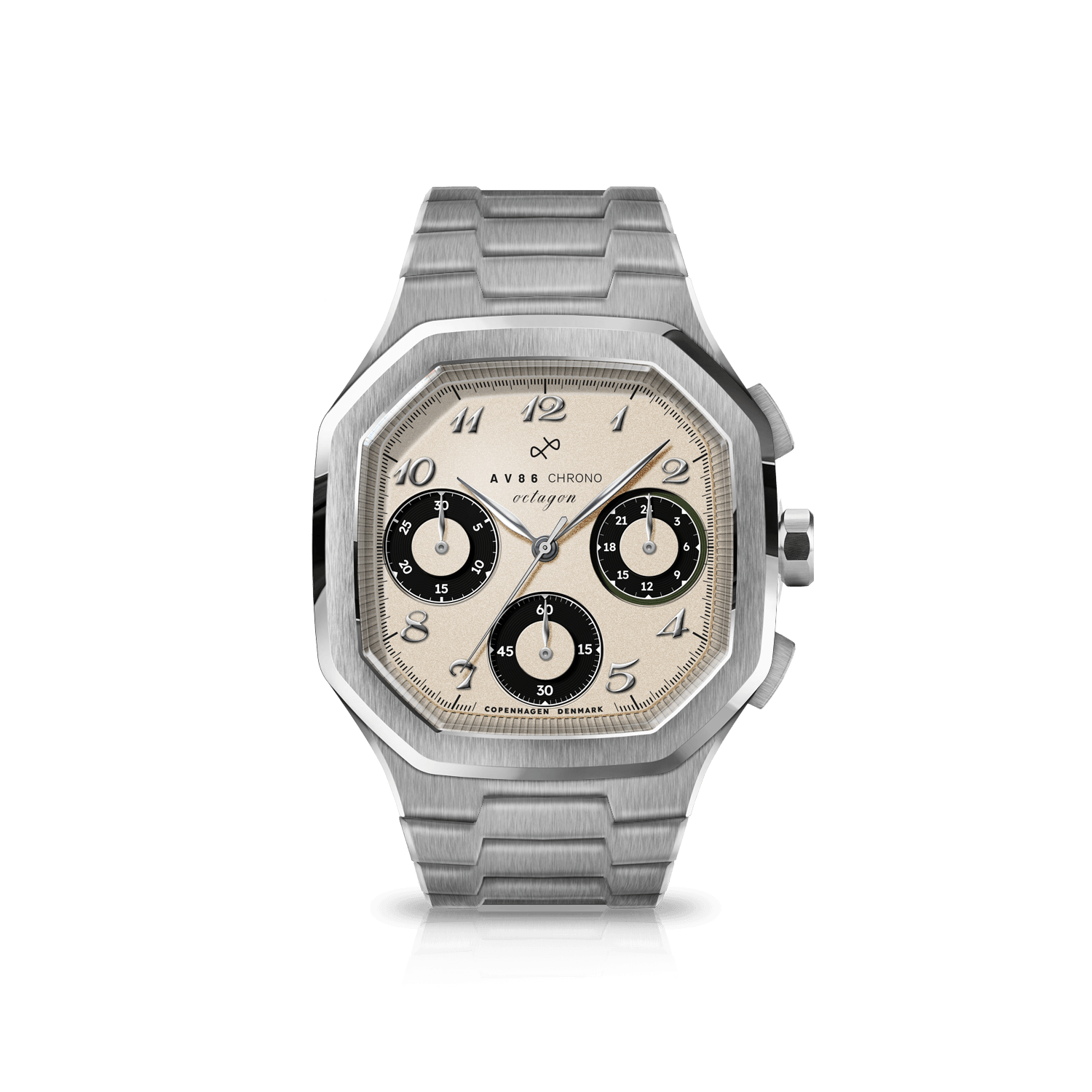
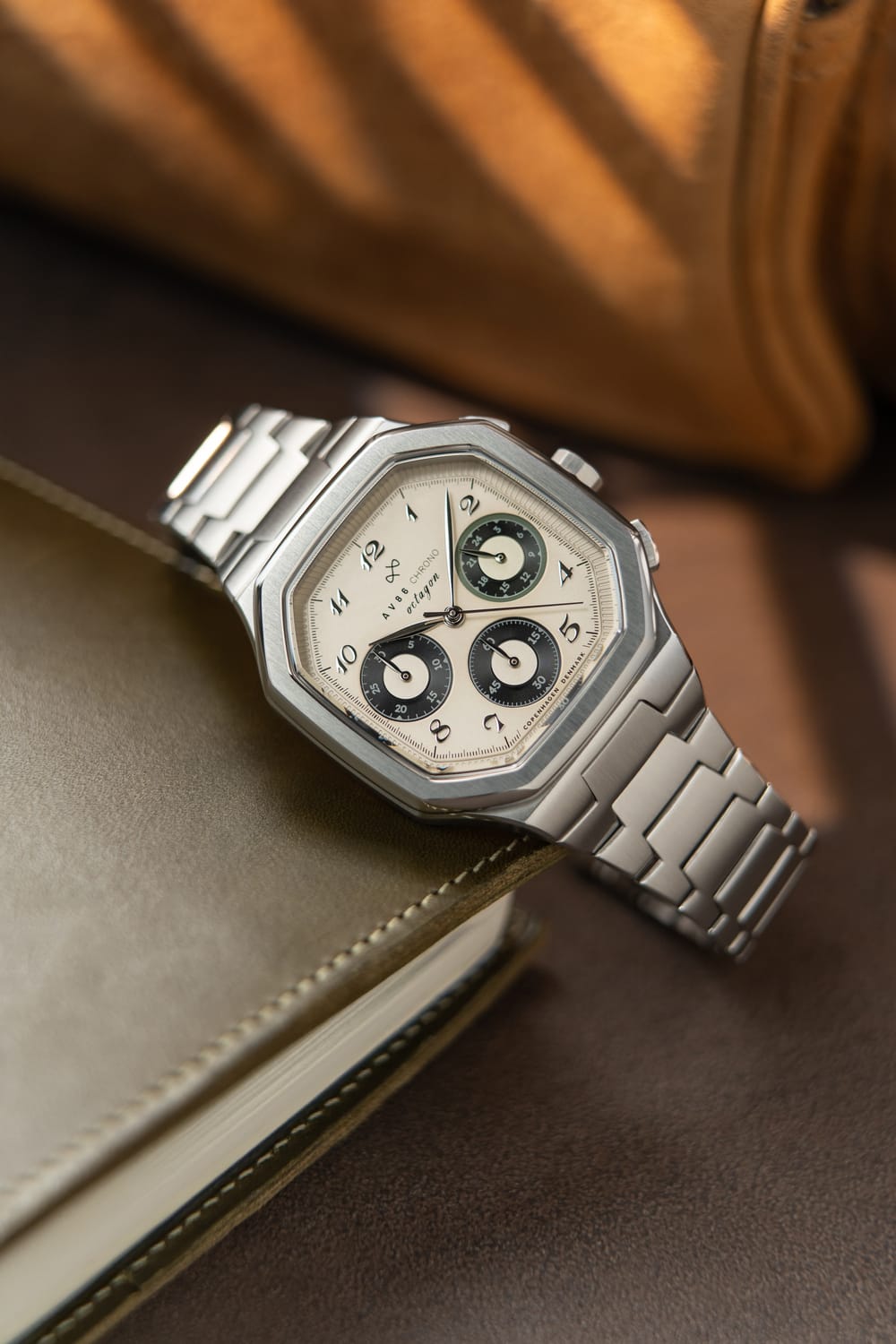
Our chronograph watches are built for those who want a watch that does more than tell the time. Each piece in the collection pairs functionality with vintage-inspired design, developed in Copenhagen and constructed from 316L surgical-grade stainless steel cases. Dial styles range from sunray finishes in blue and green to off-white racing-inspired dials, giving every chronograph a distinct character that wears as well on a weekend as it does at the office.
Chronograph function explained
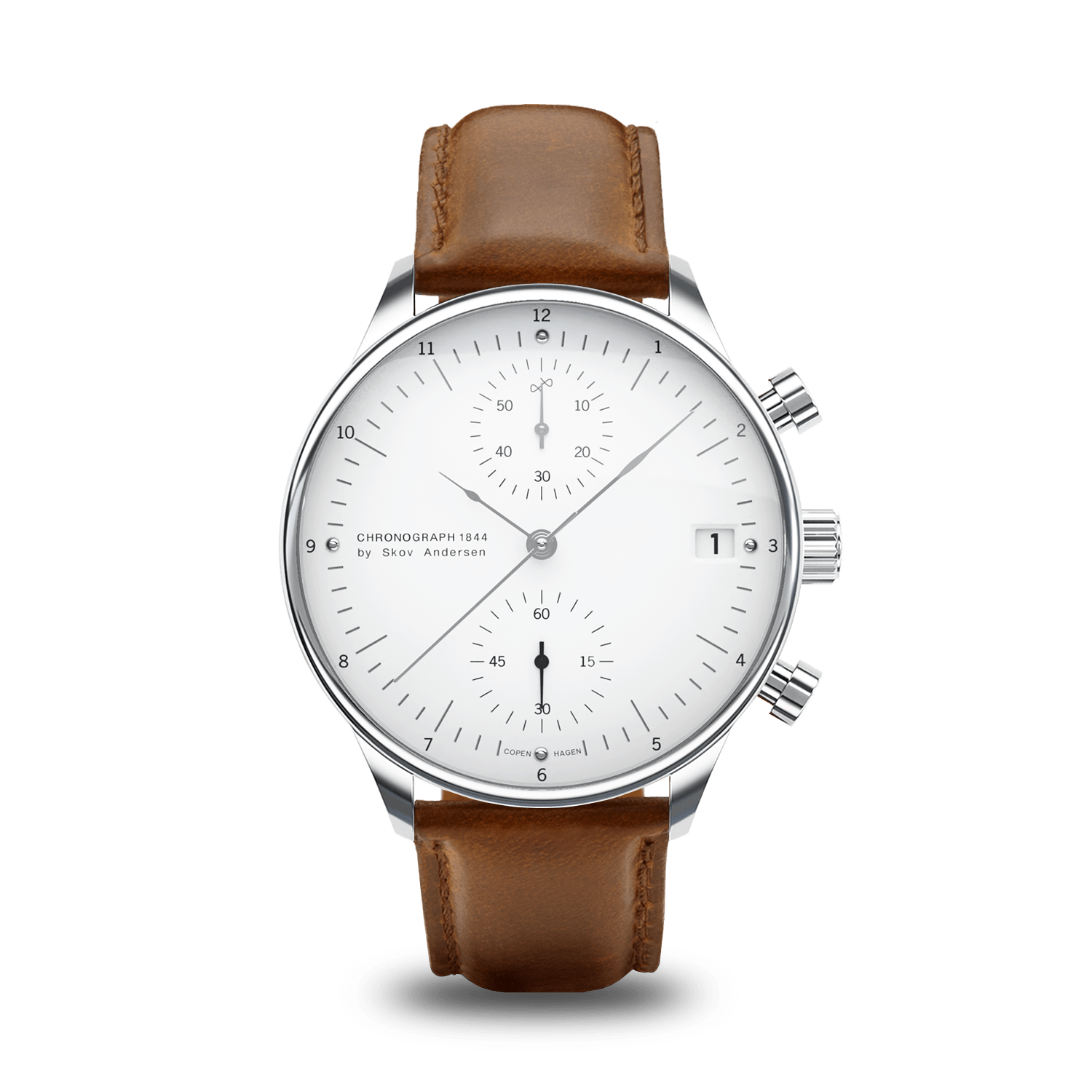
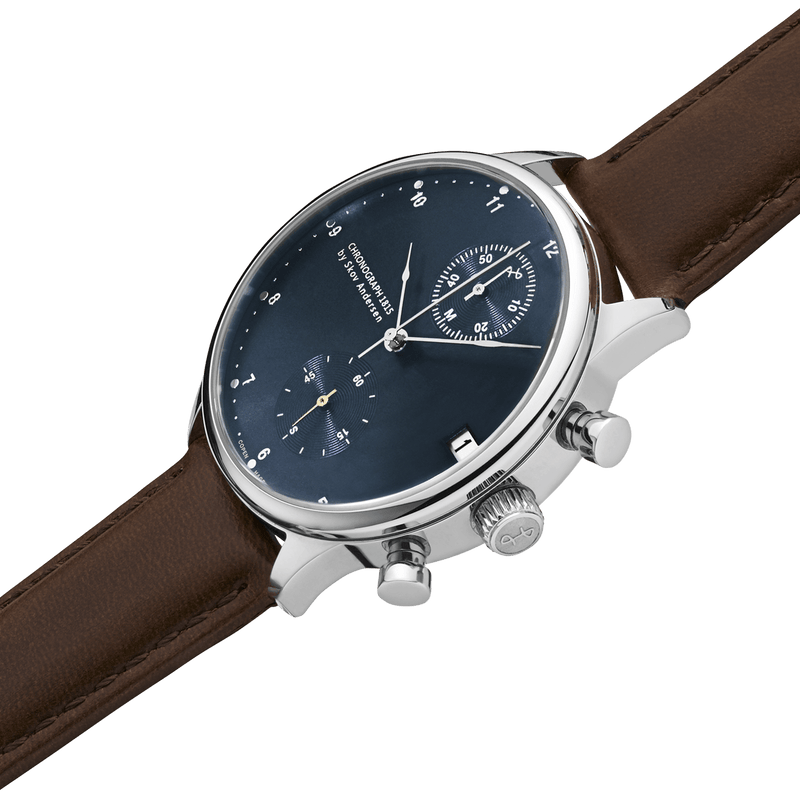
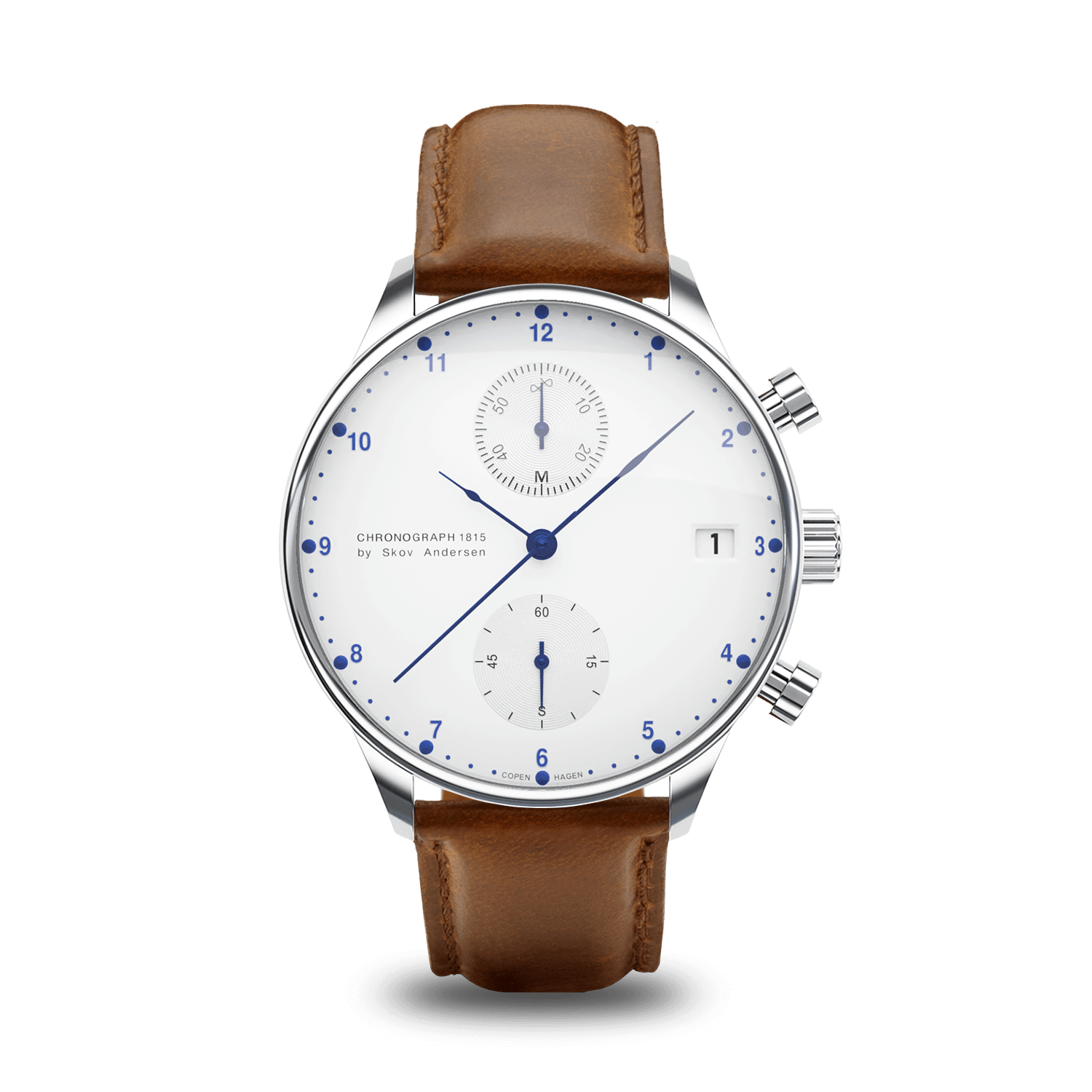
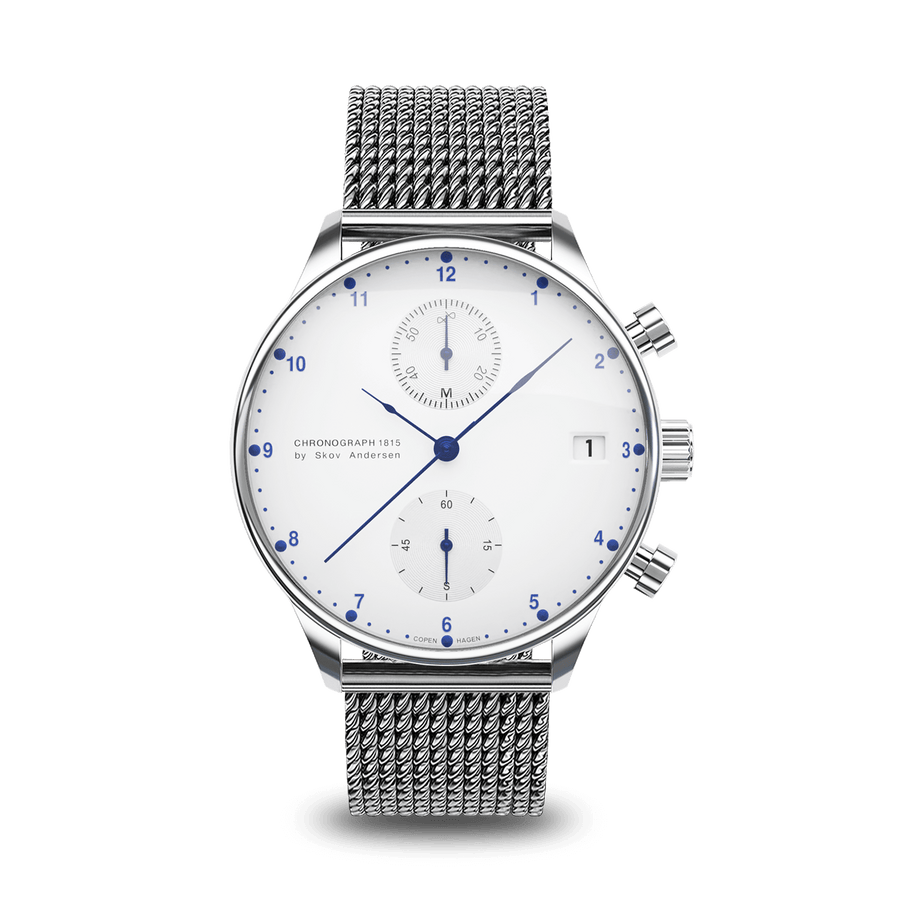
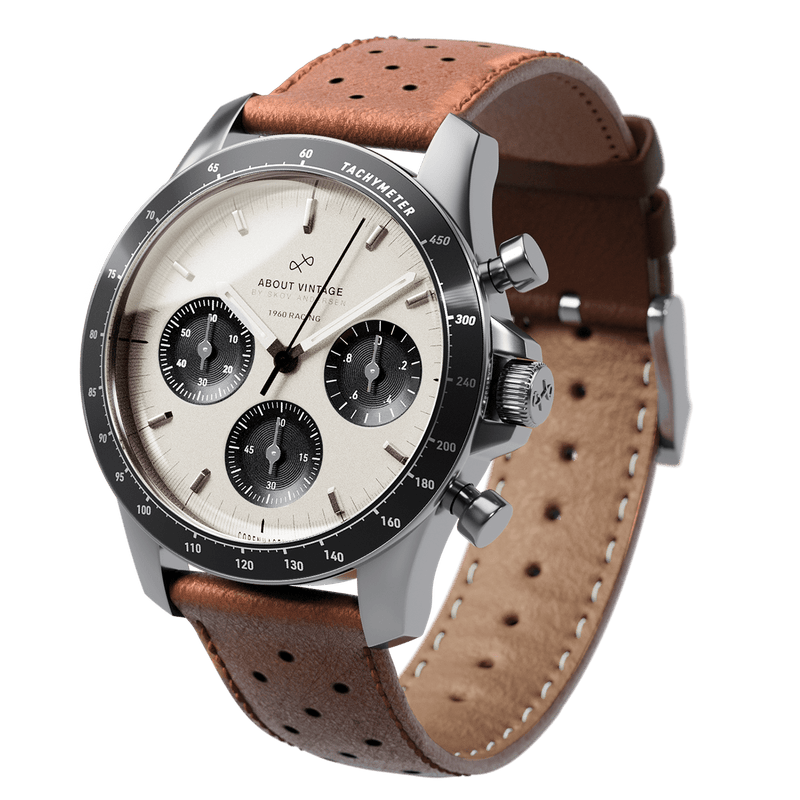
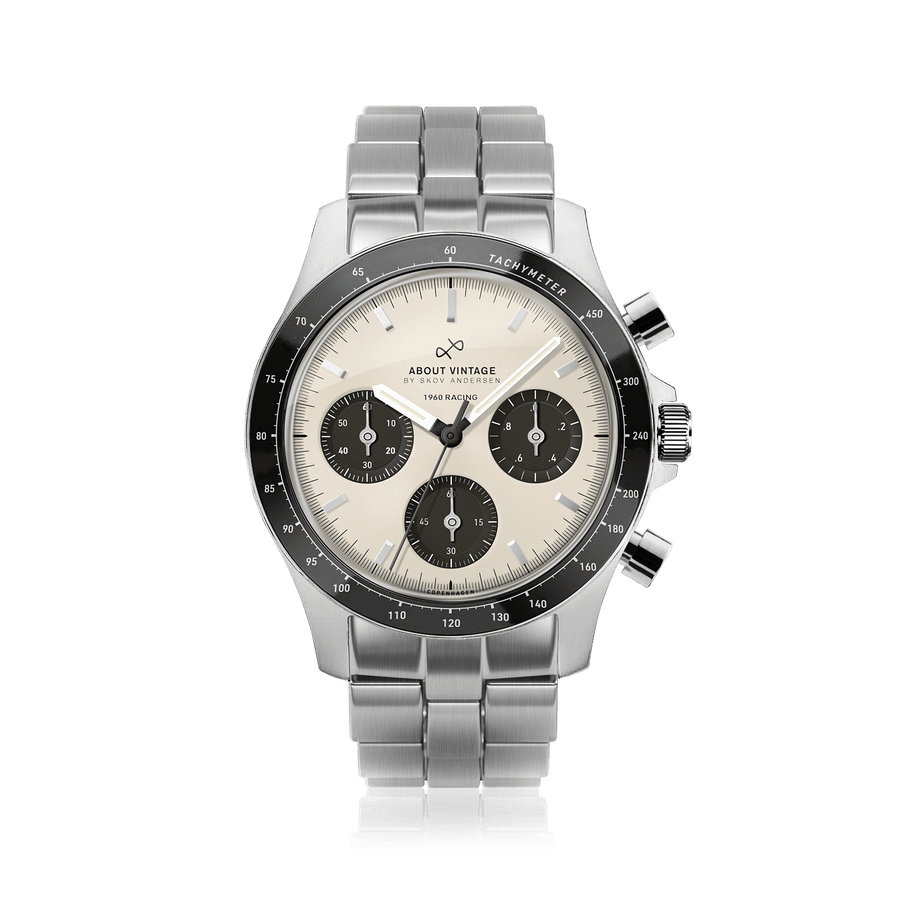
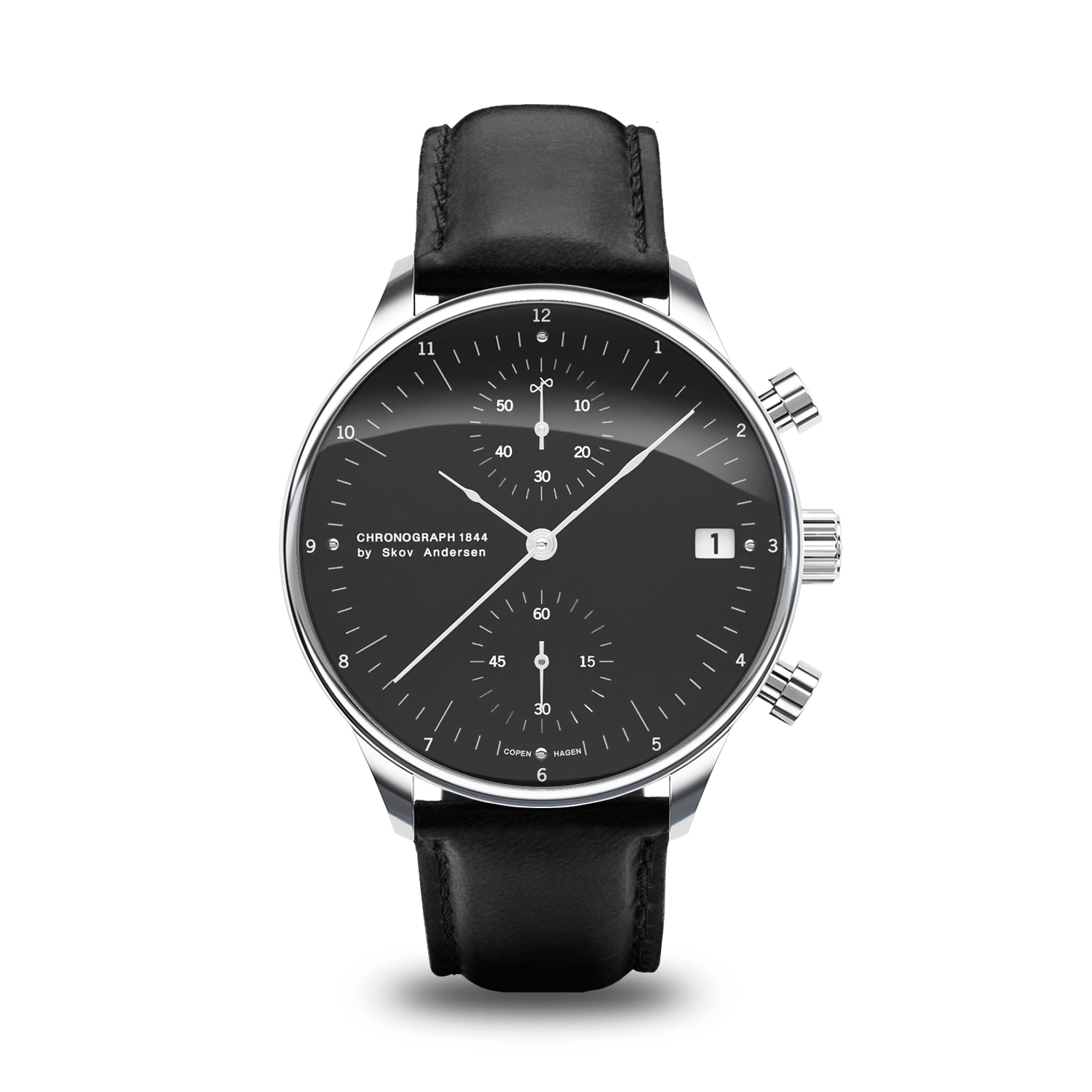
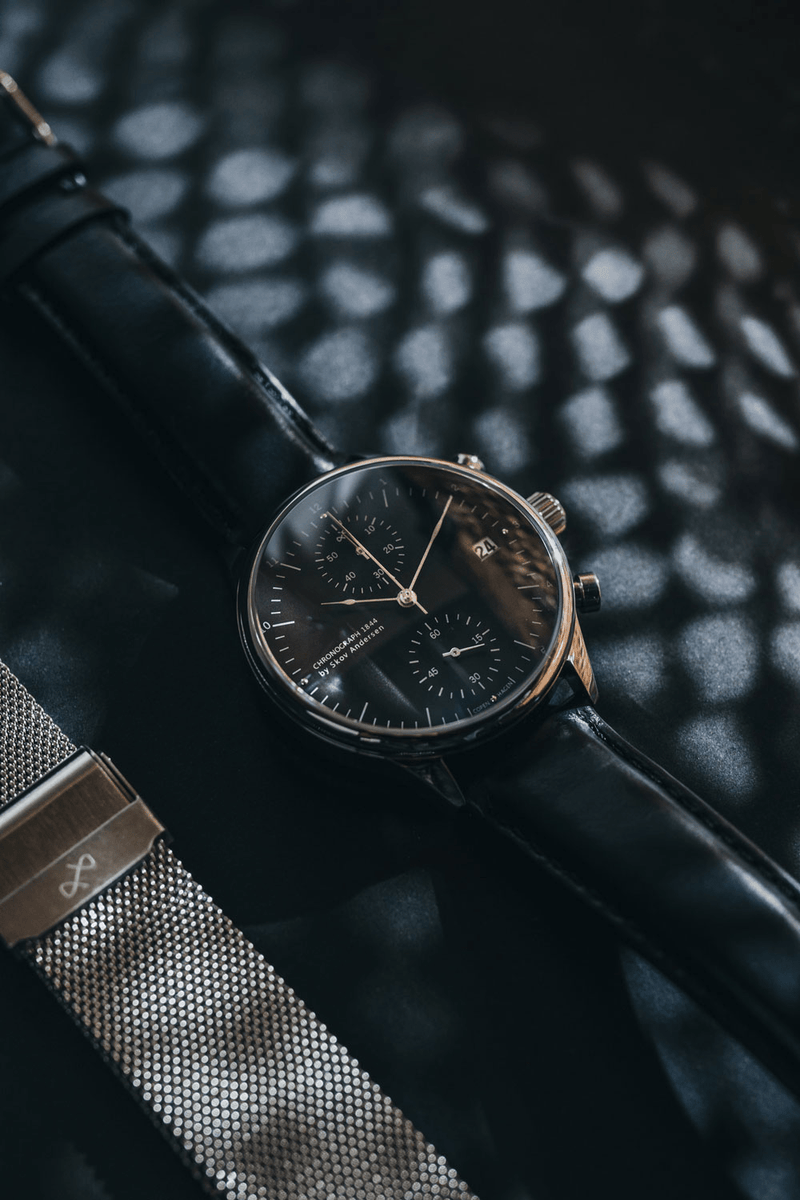
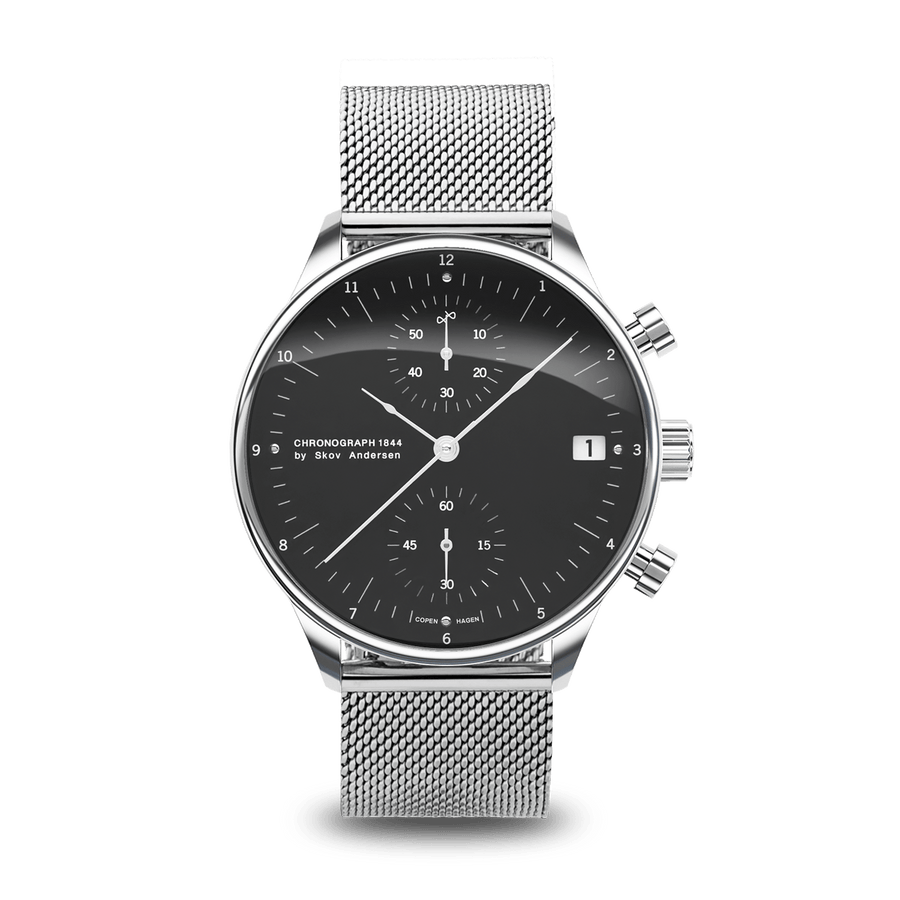
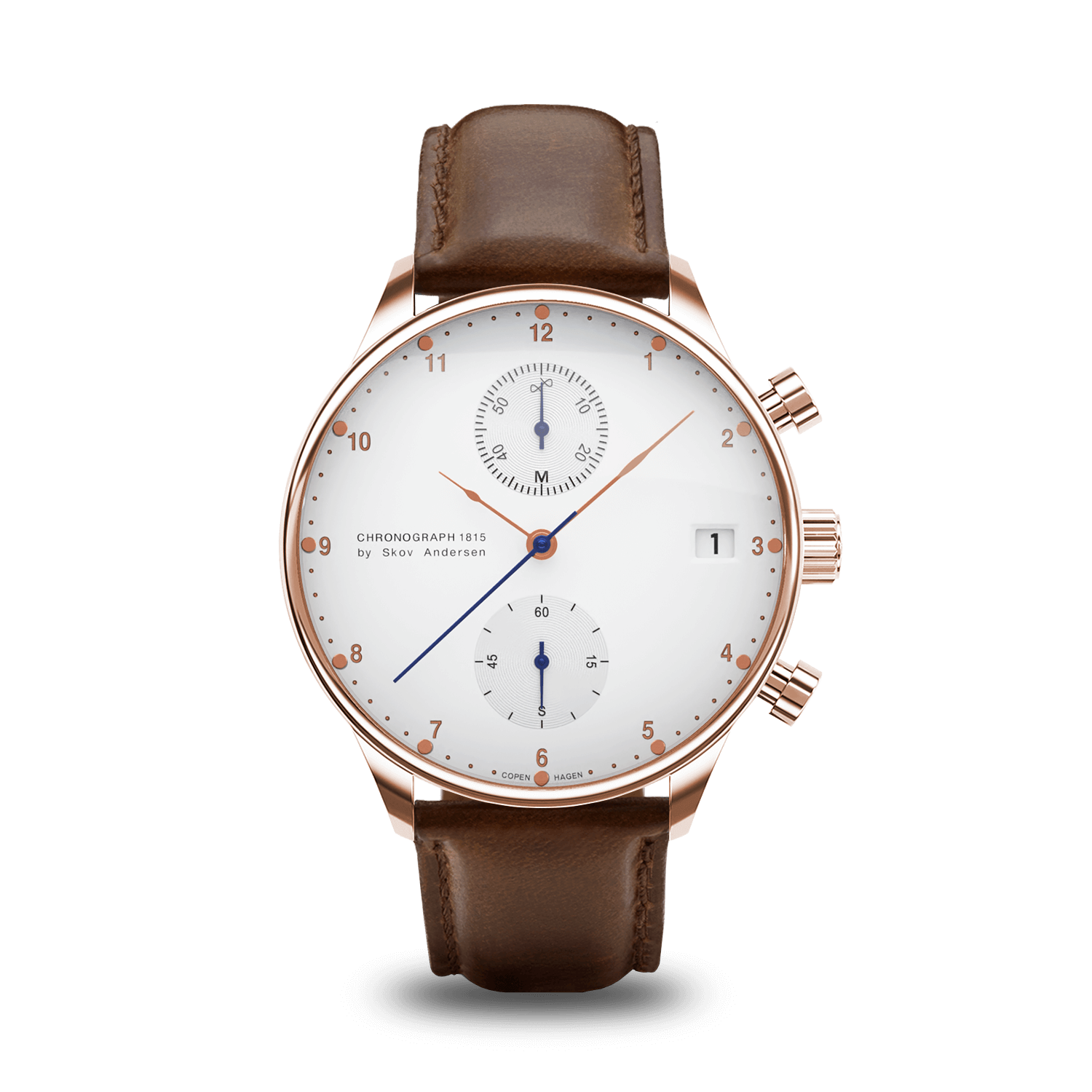
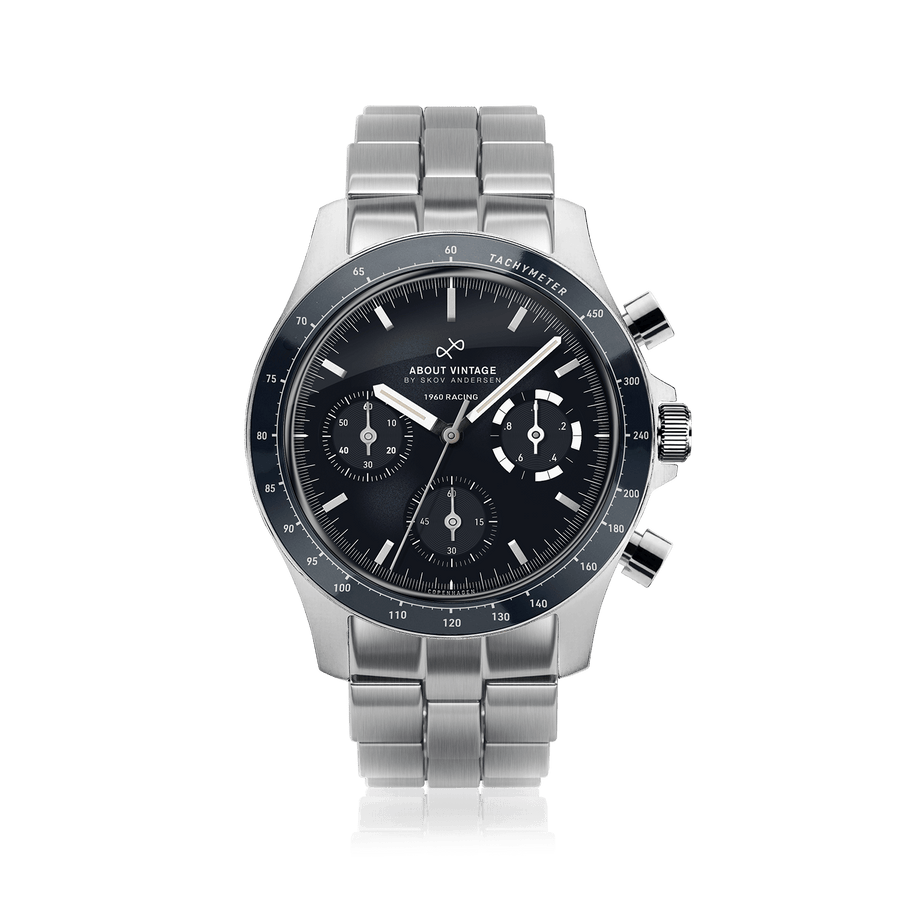
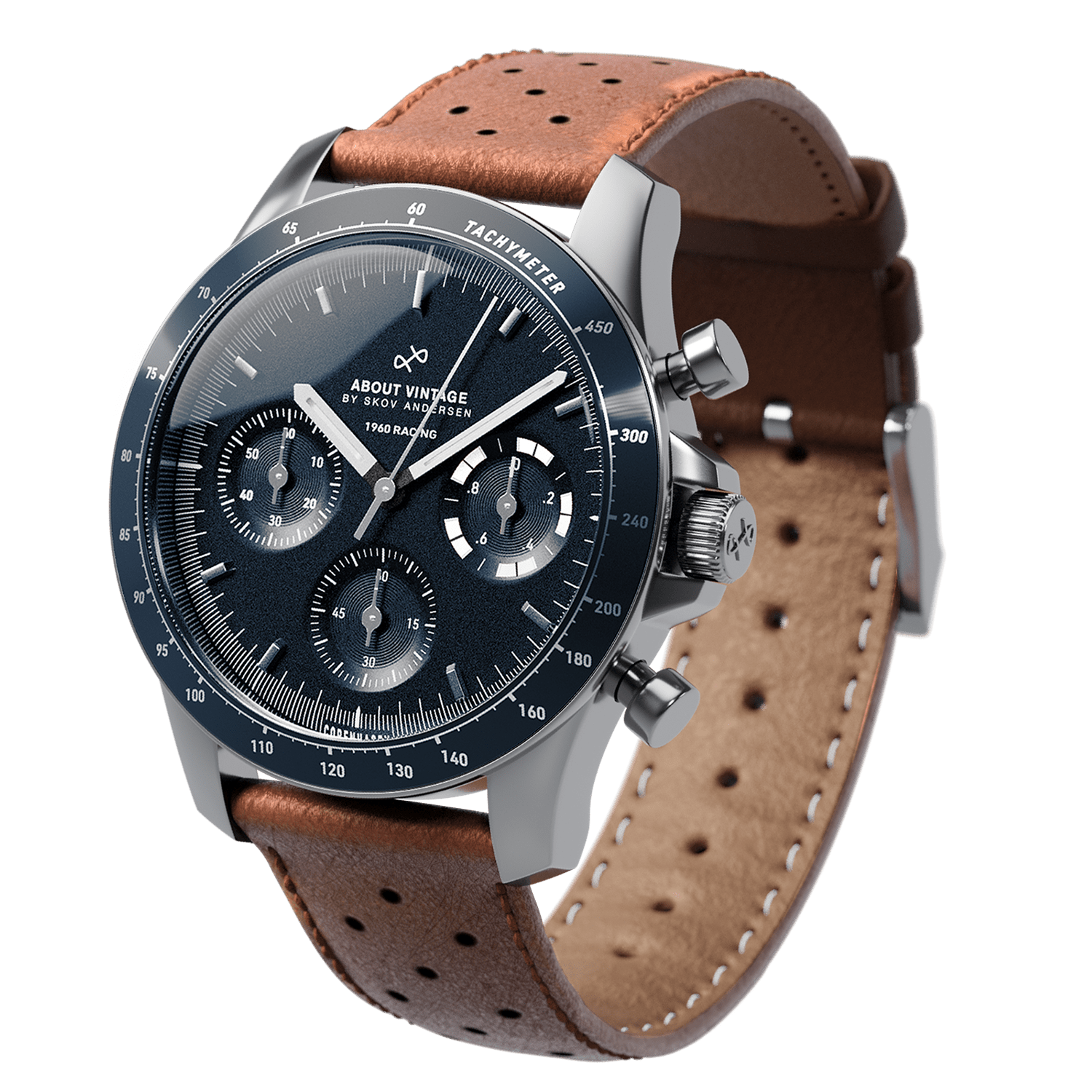
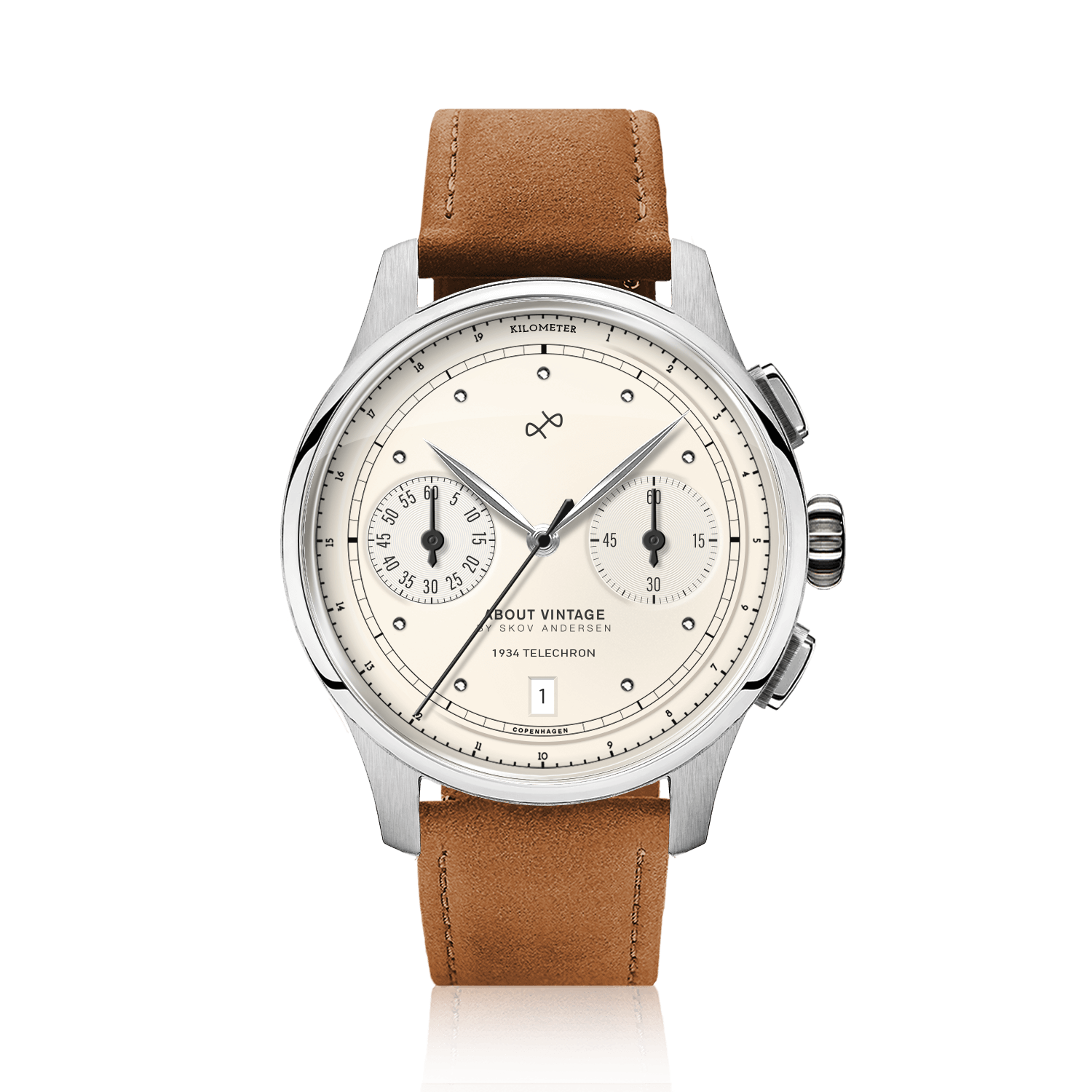
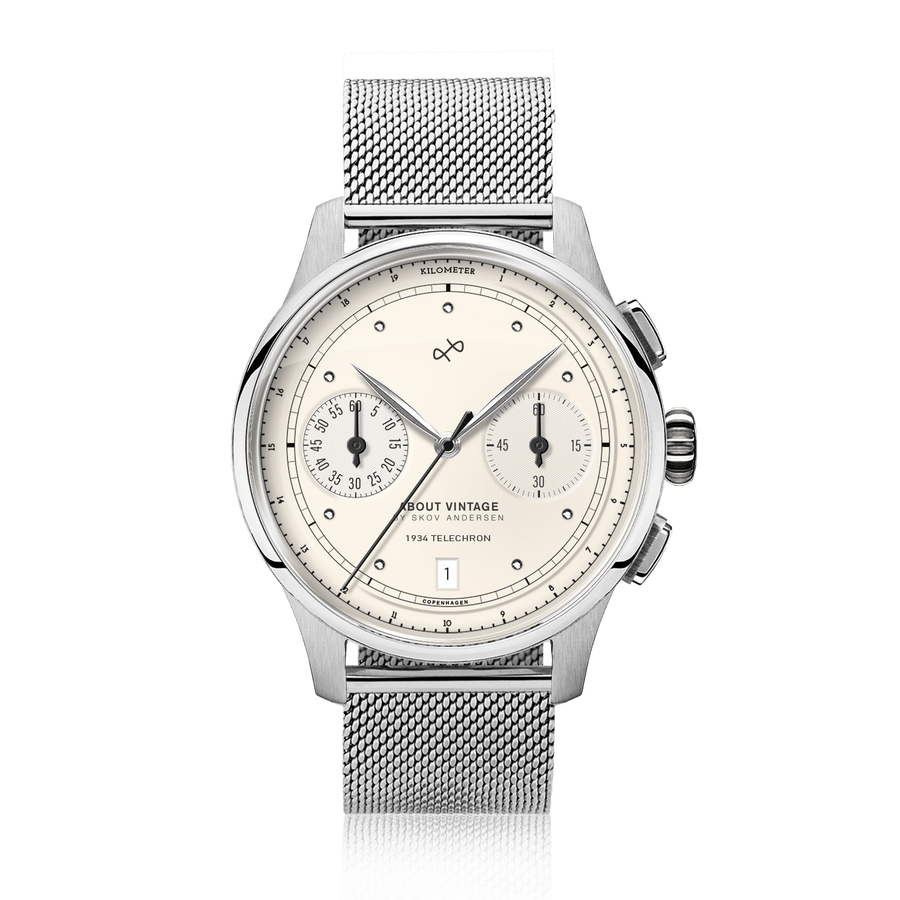
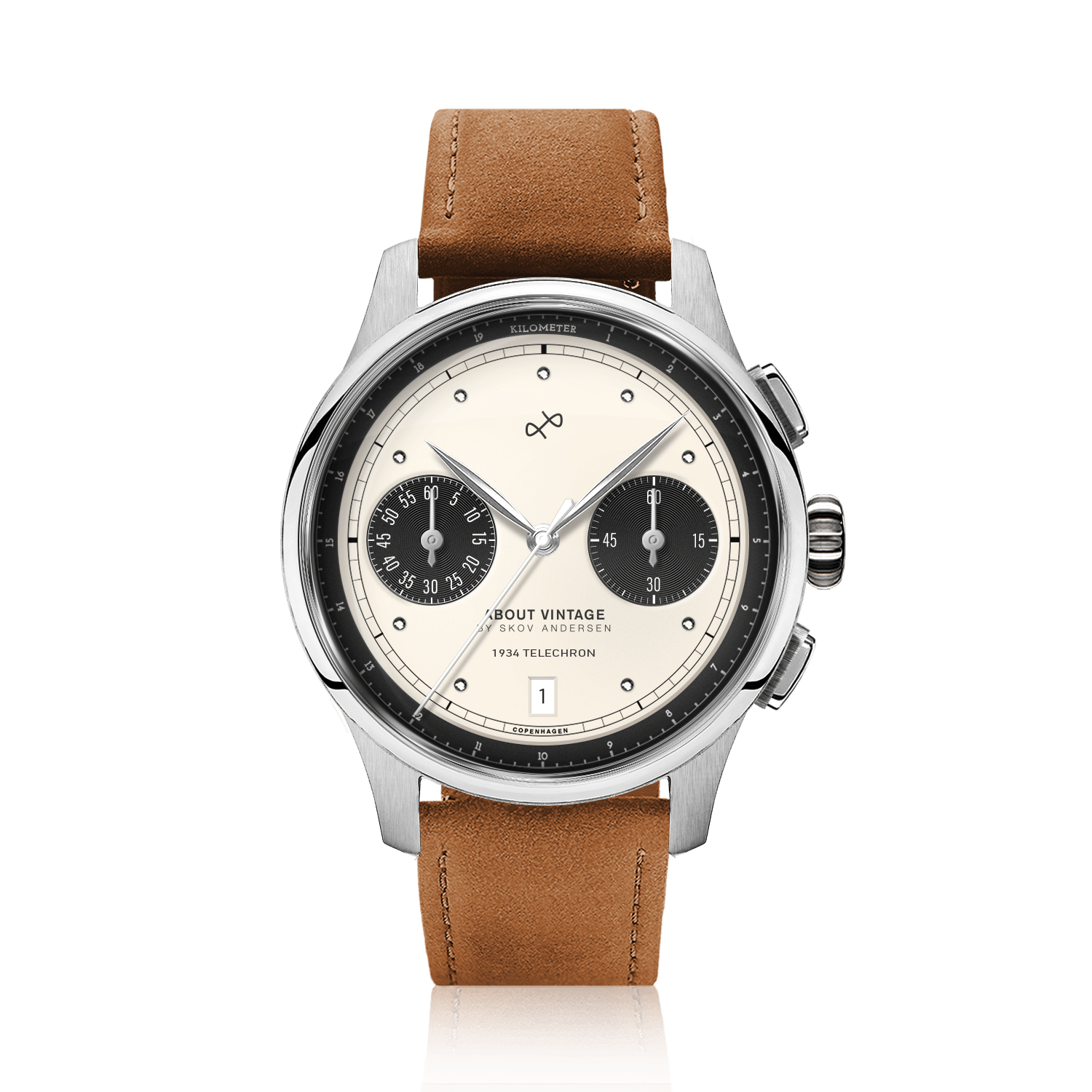
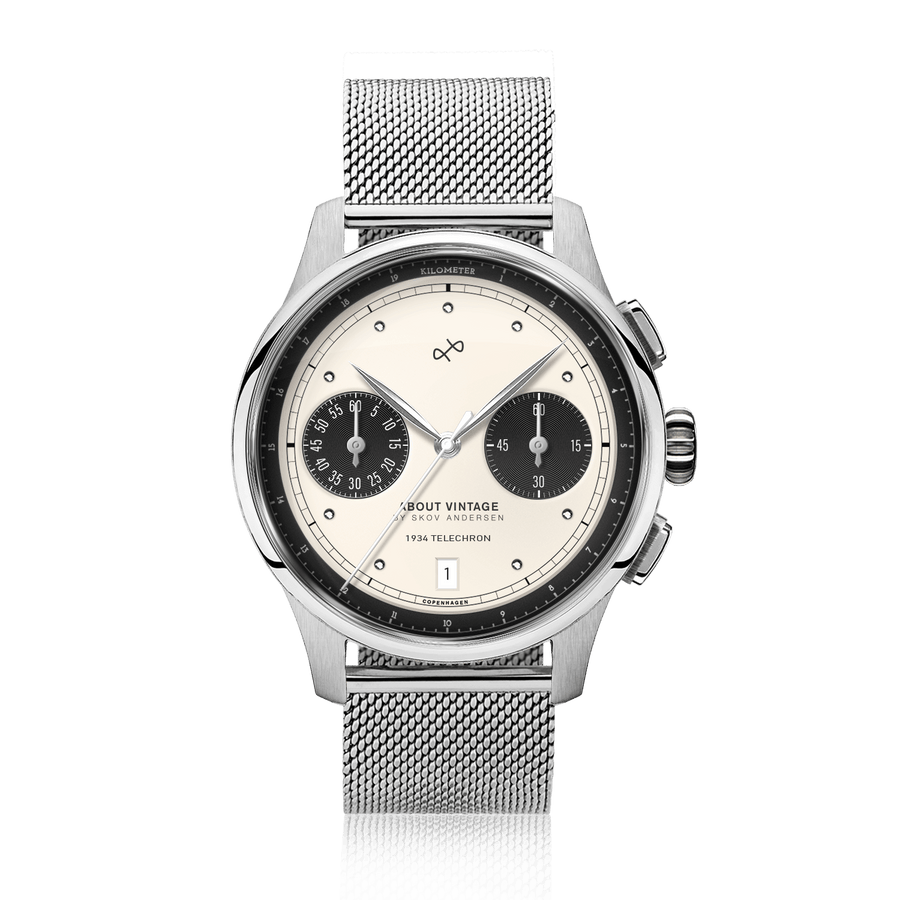
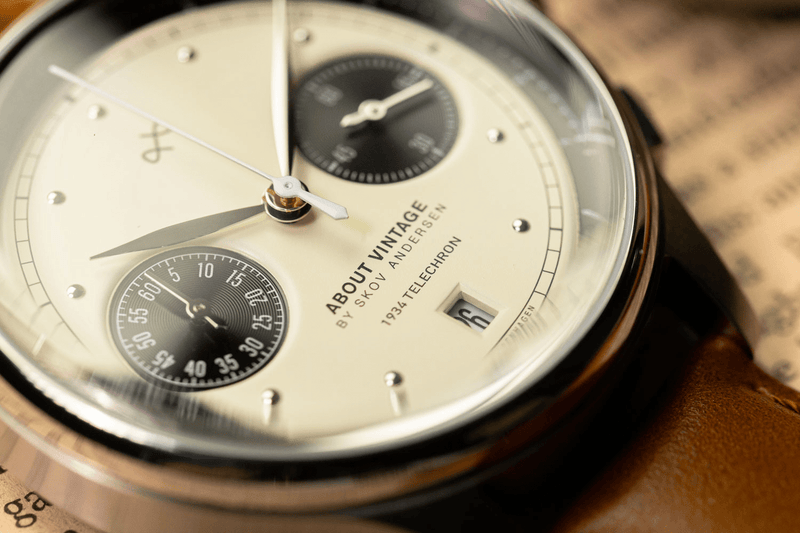
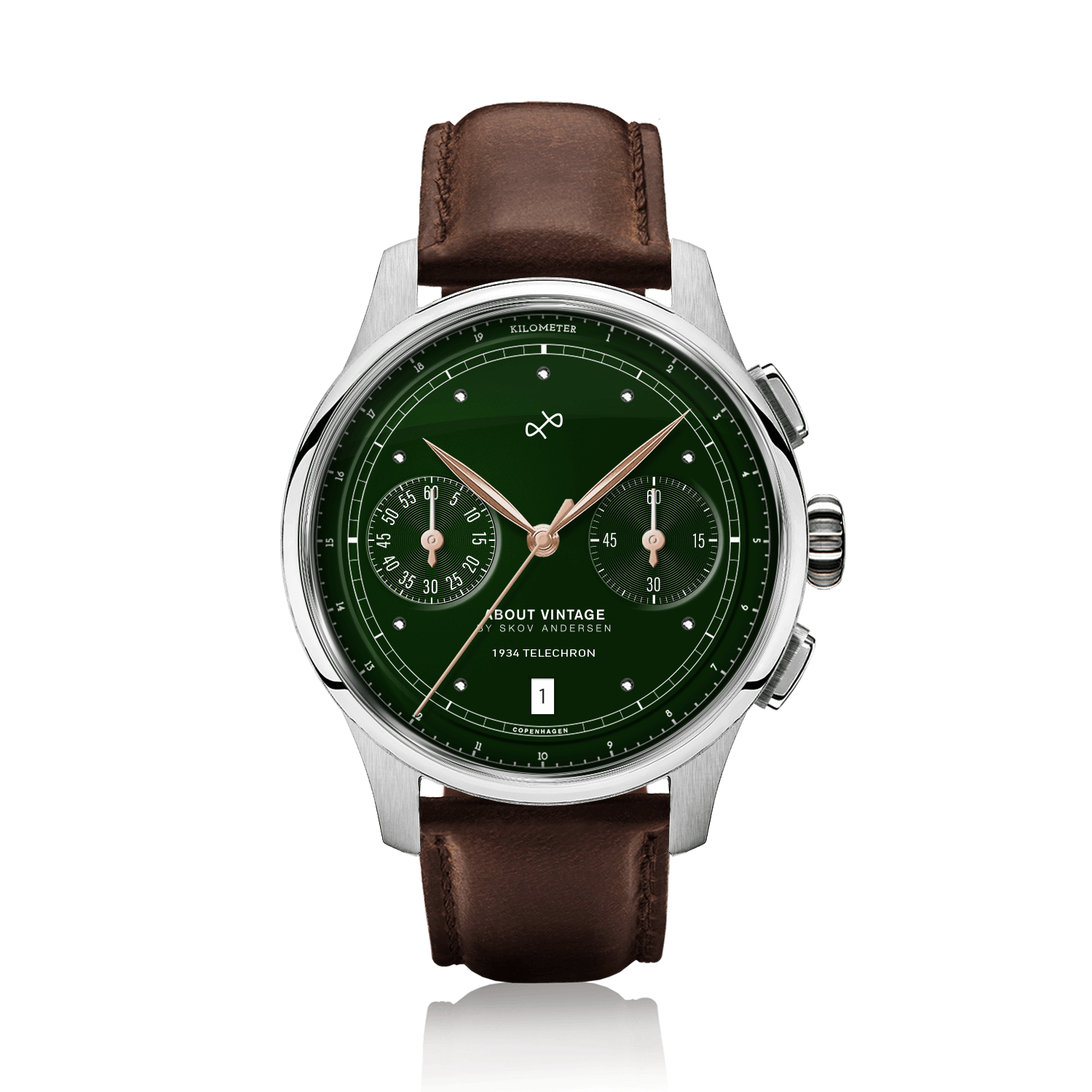
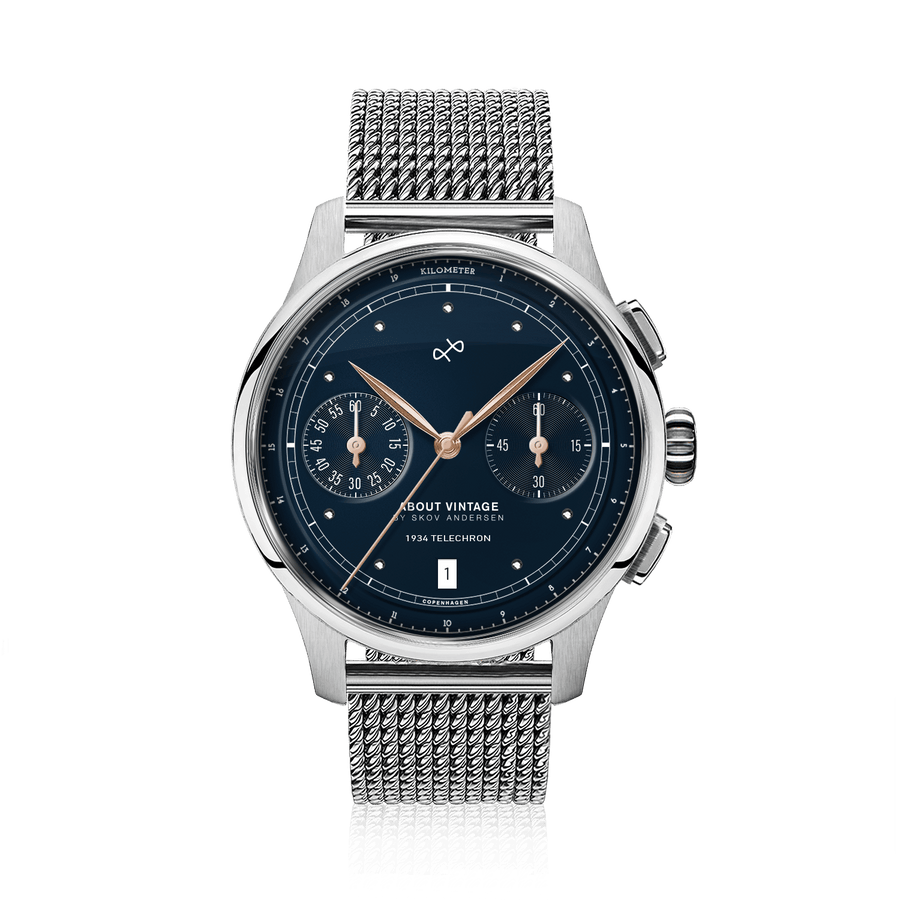
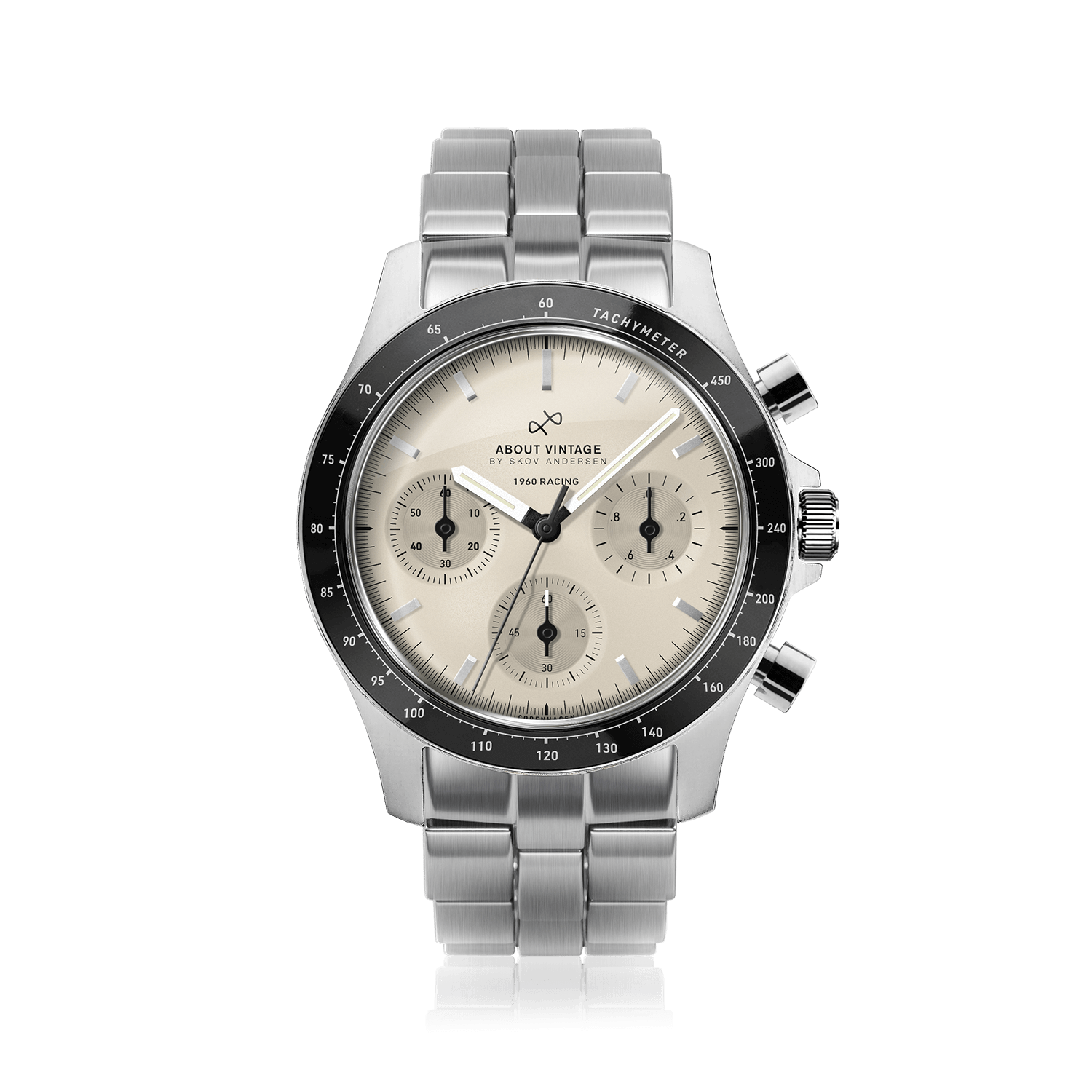
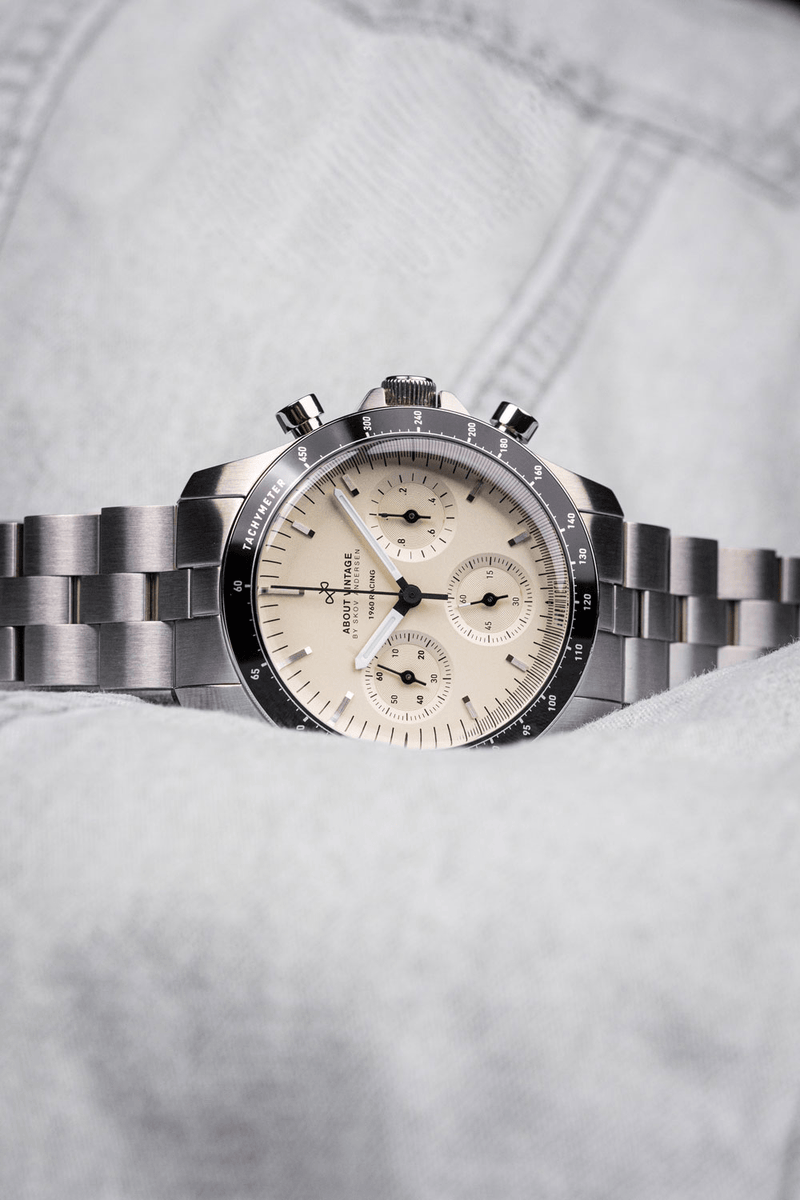
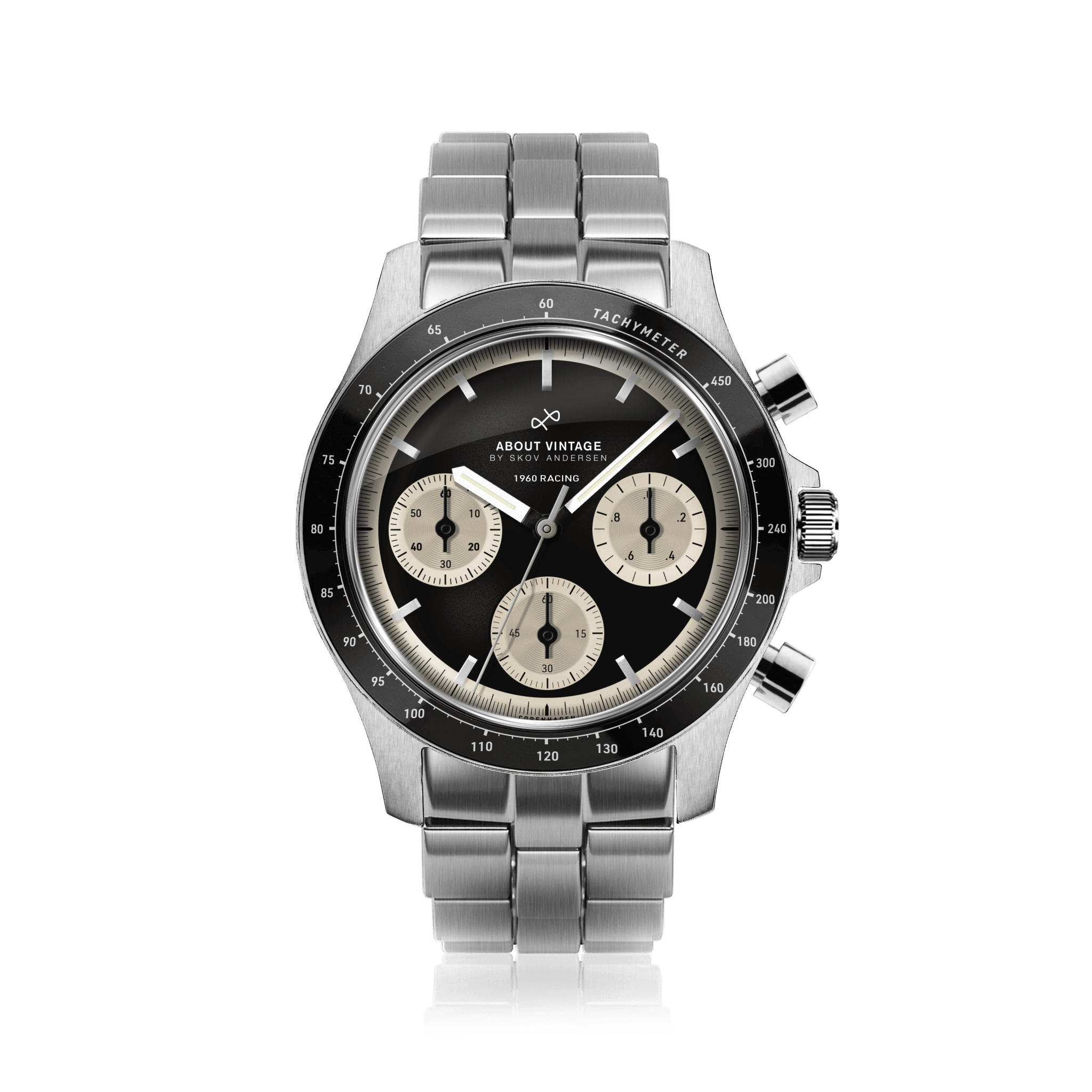
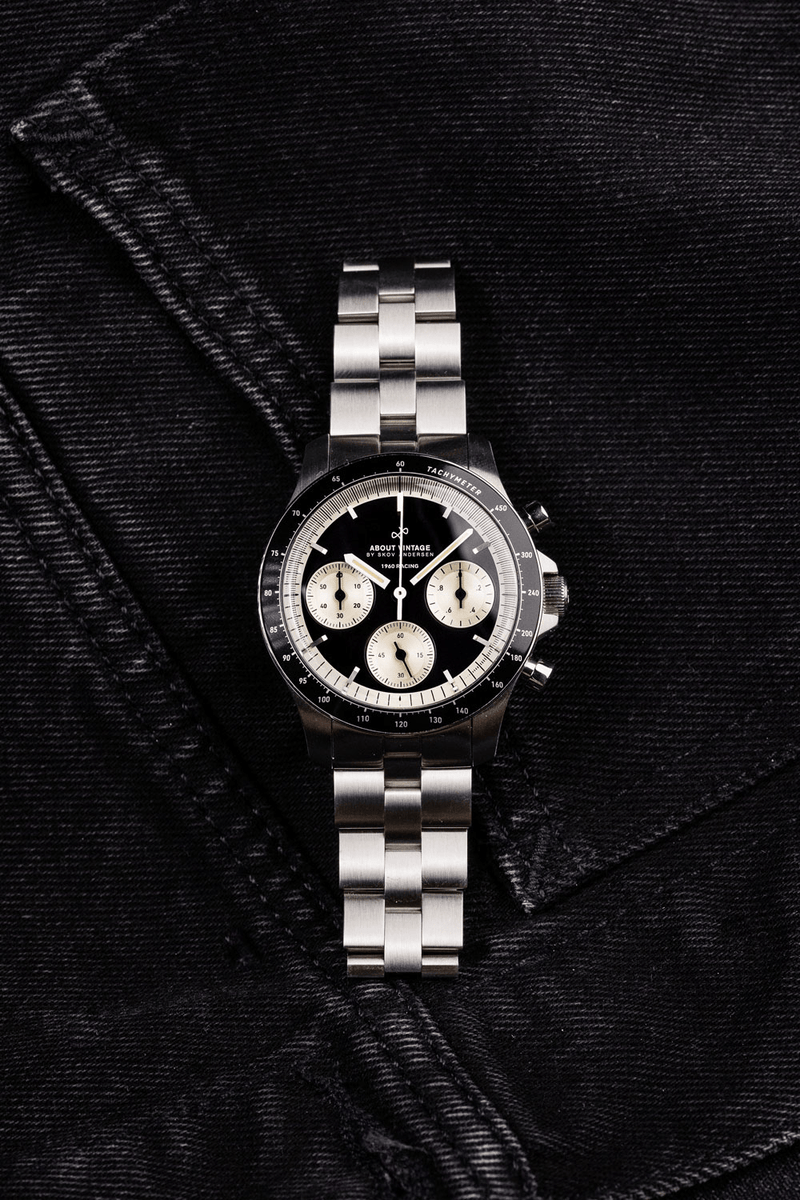
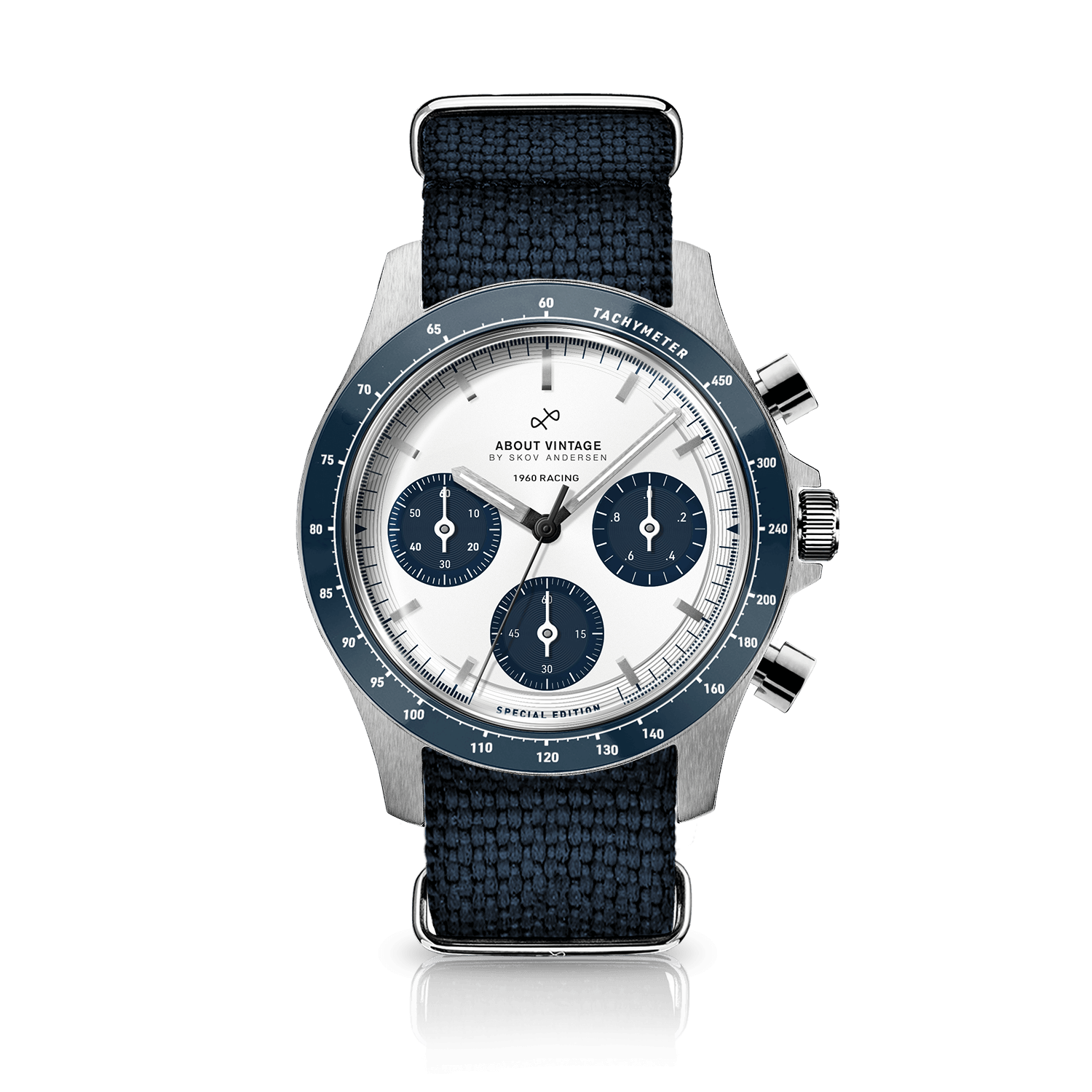
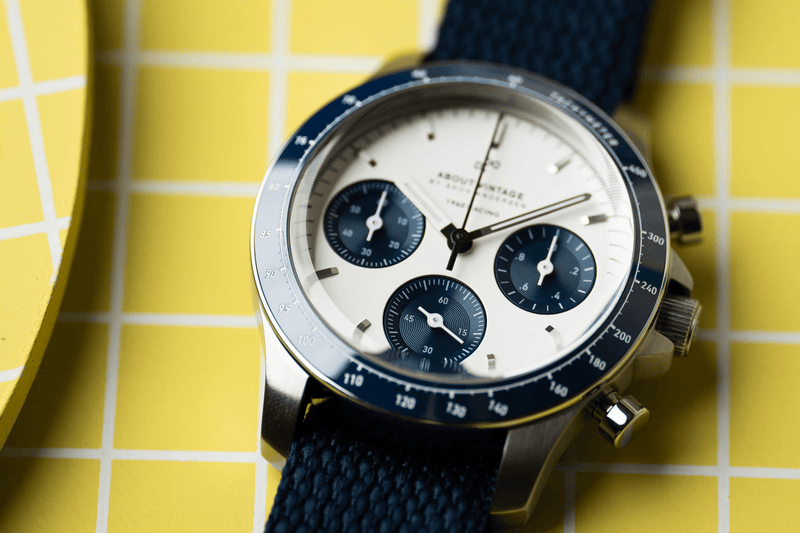
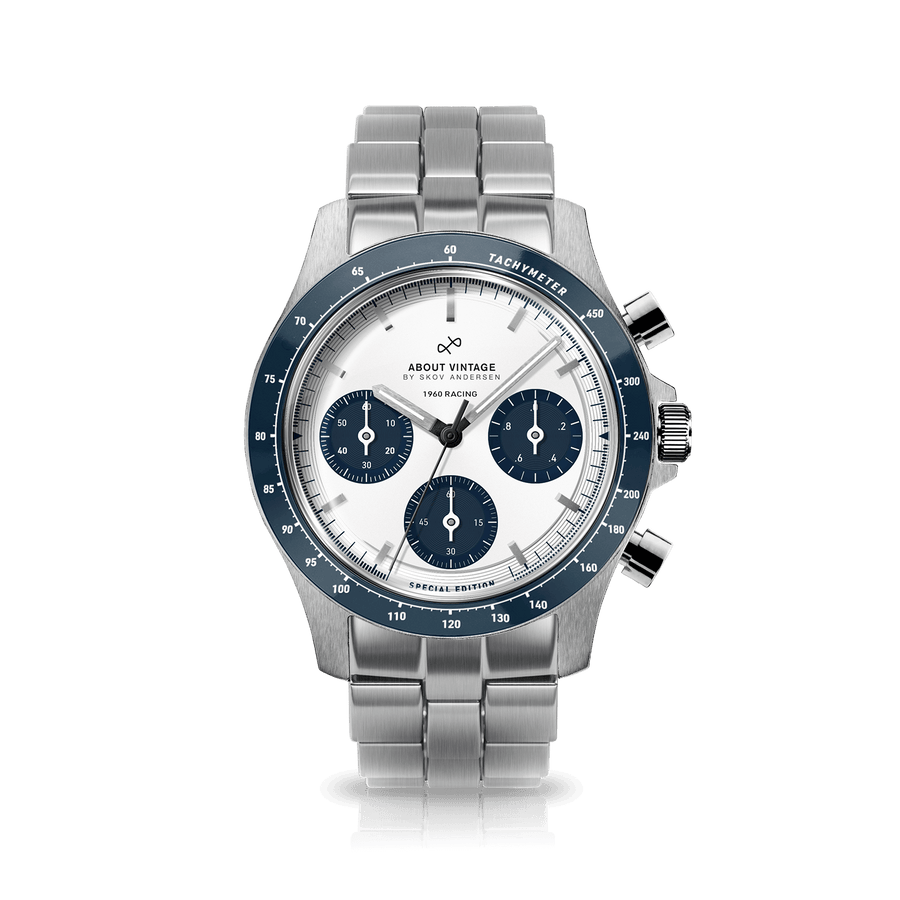
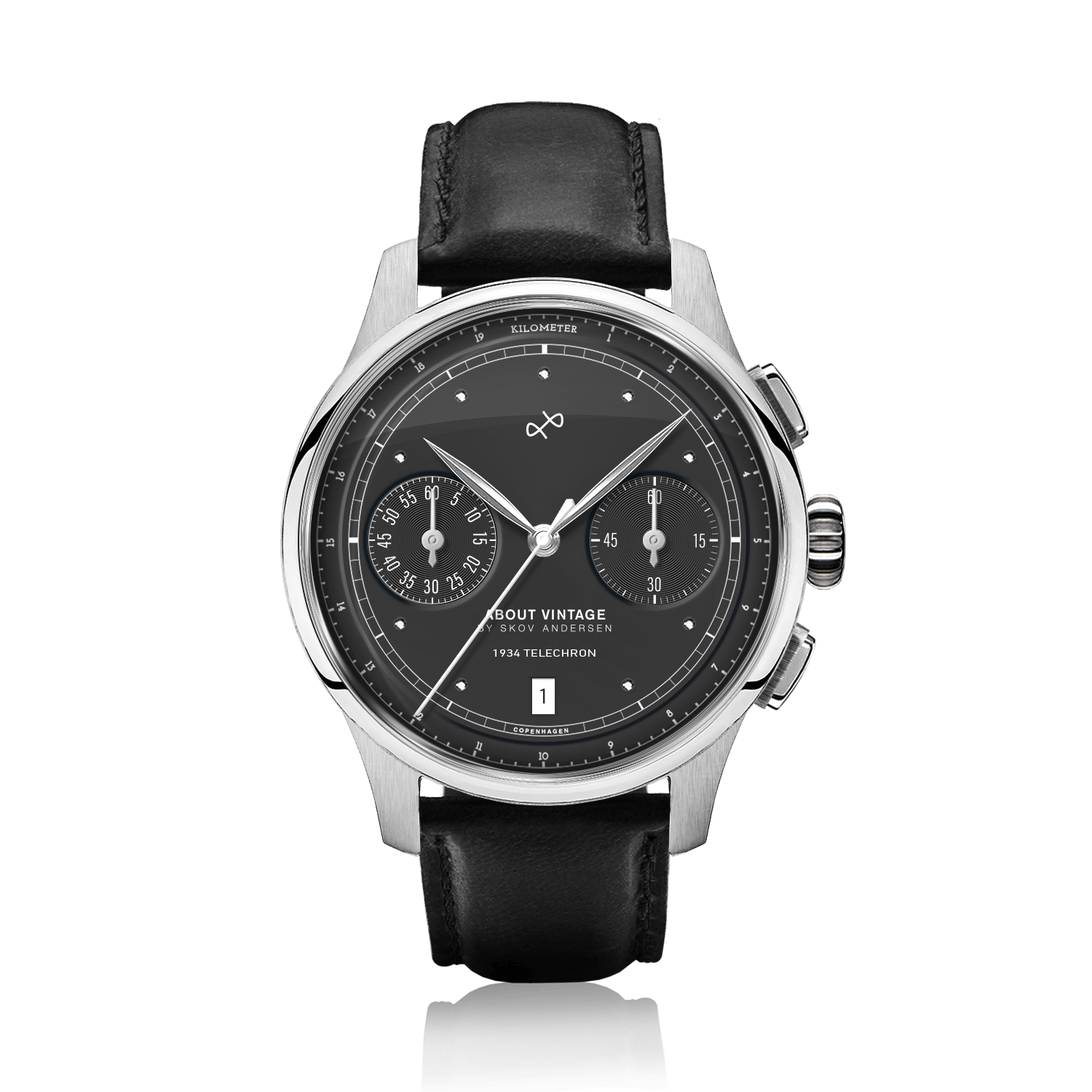
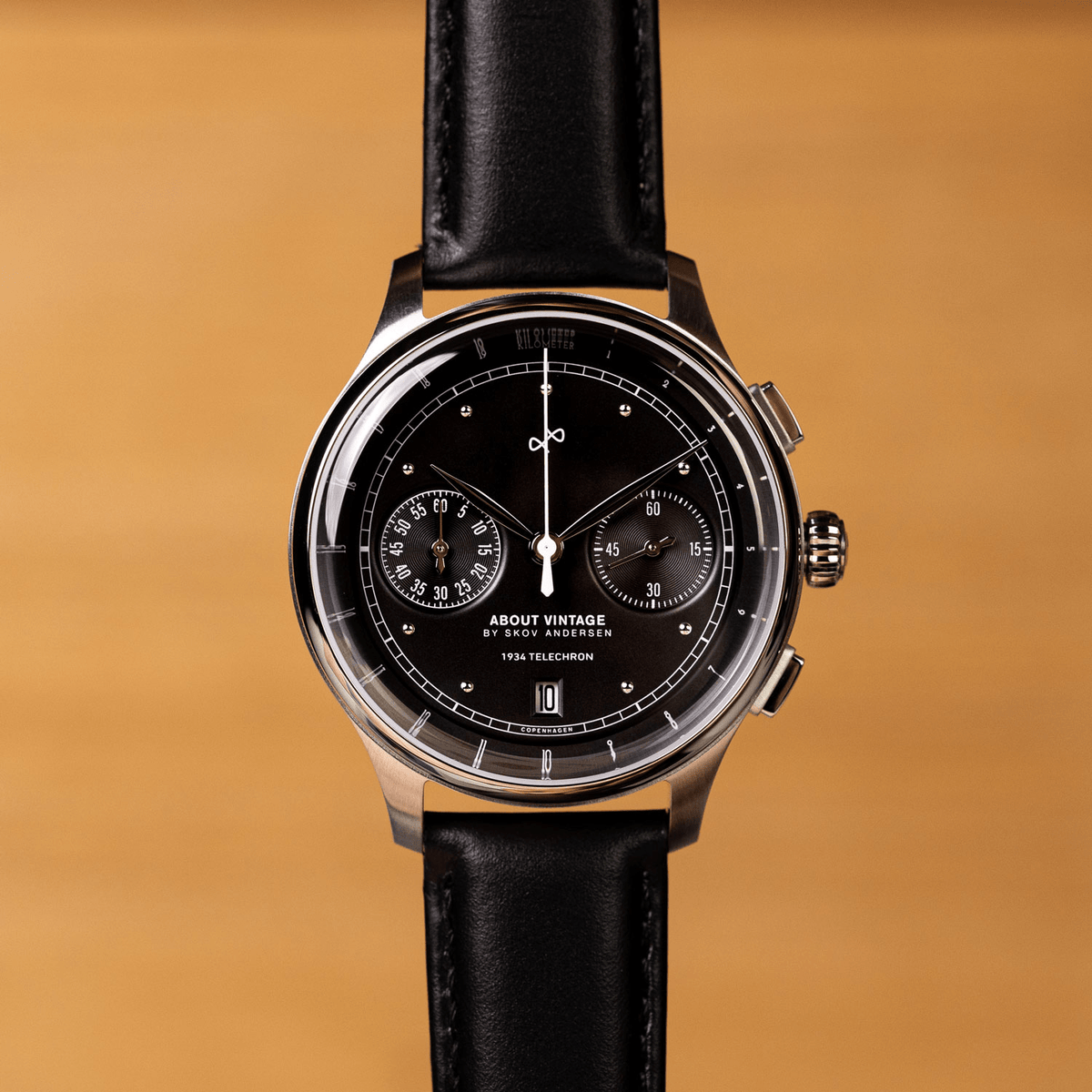
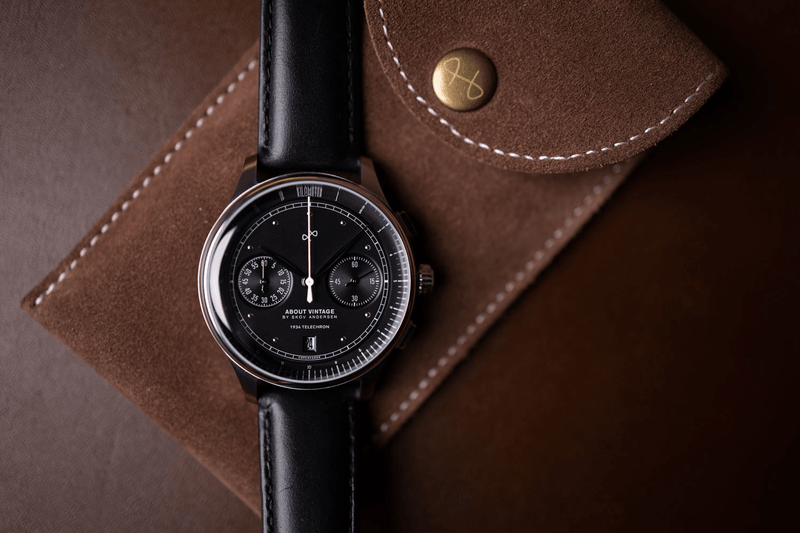
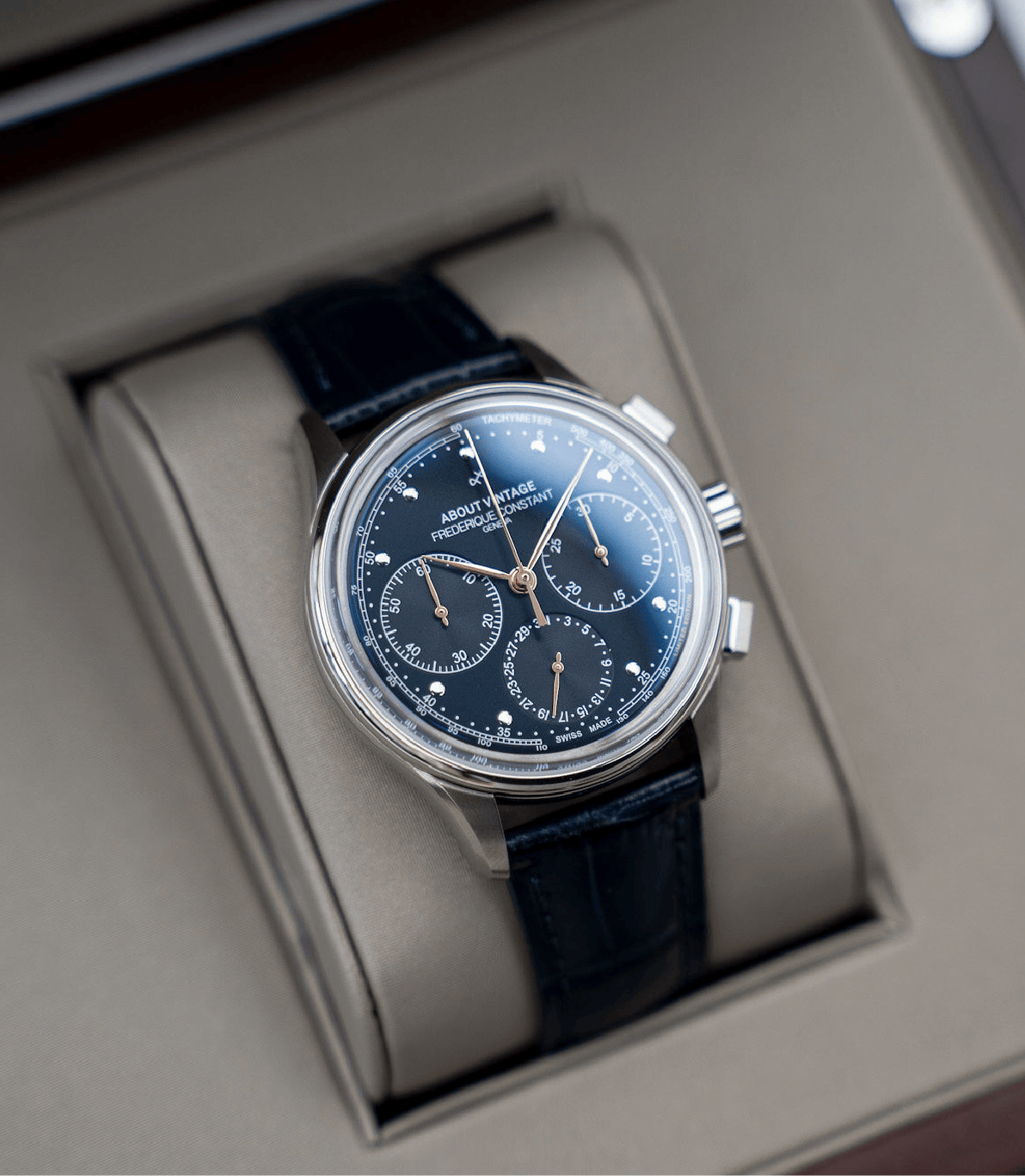
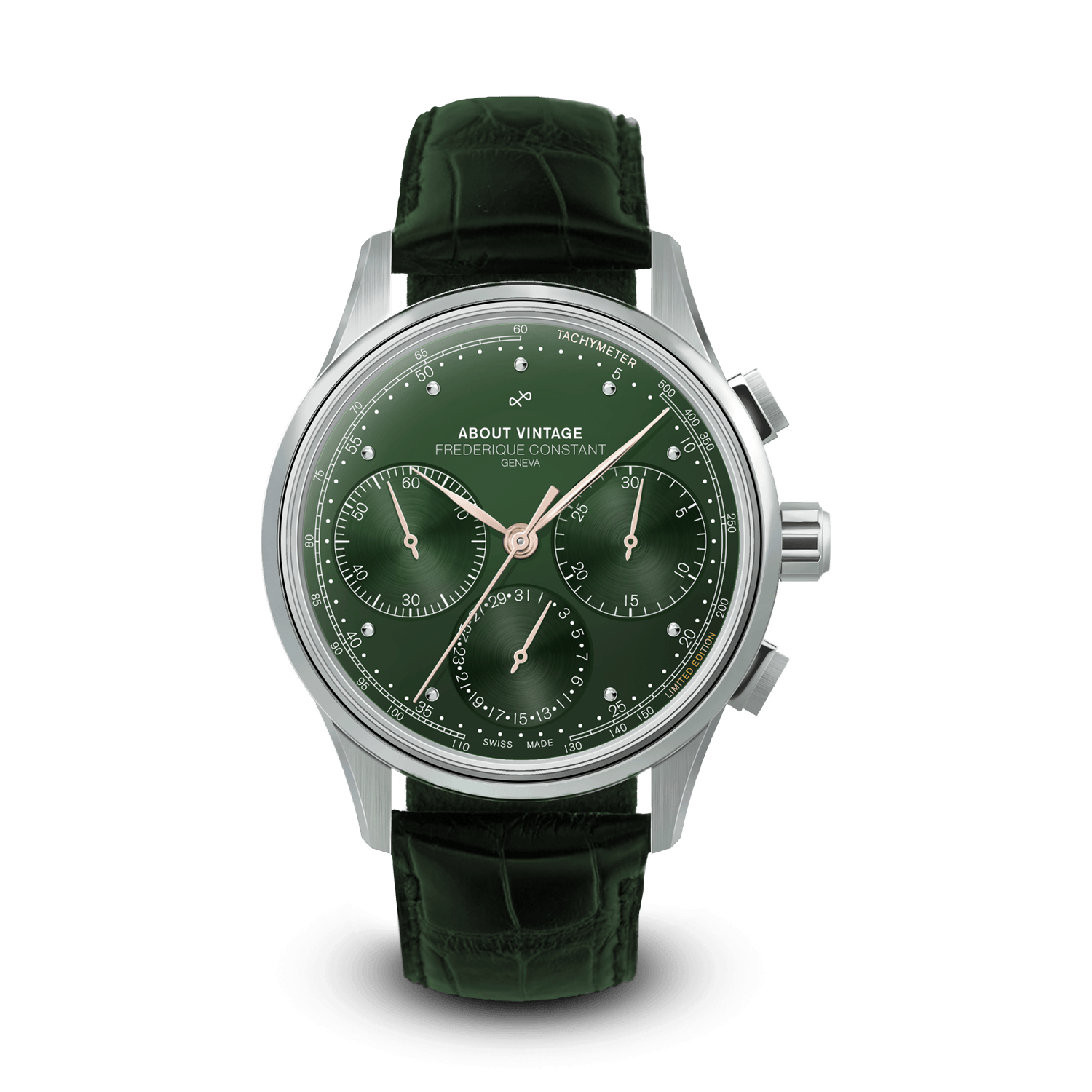
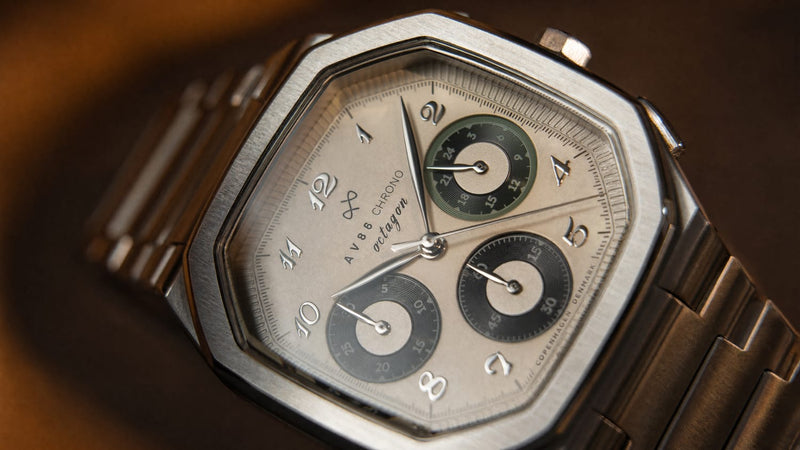
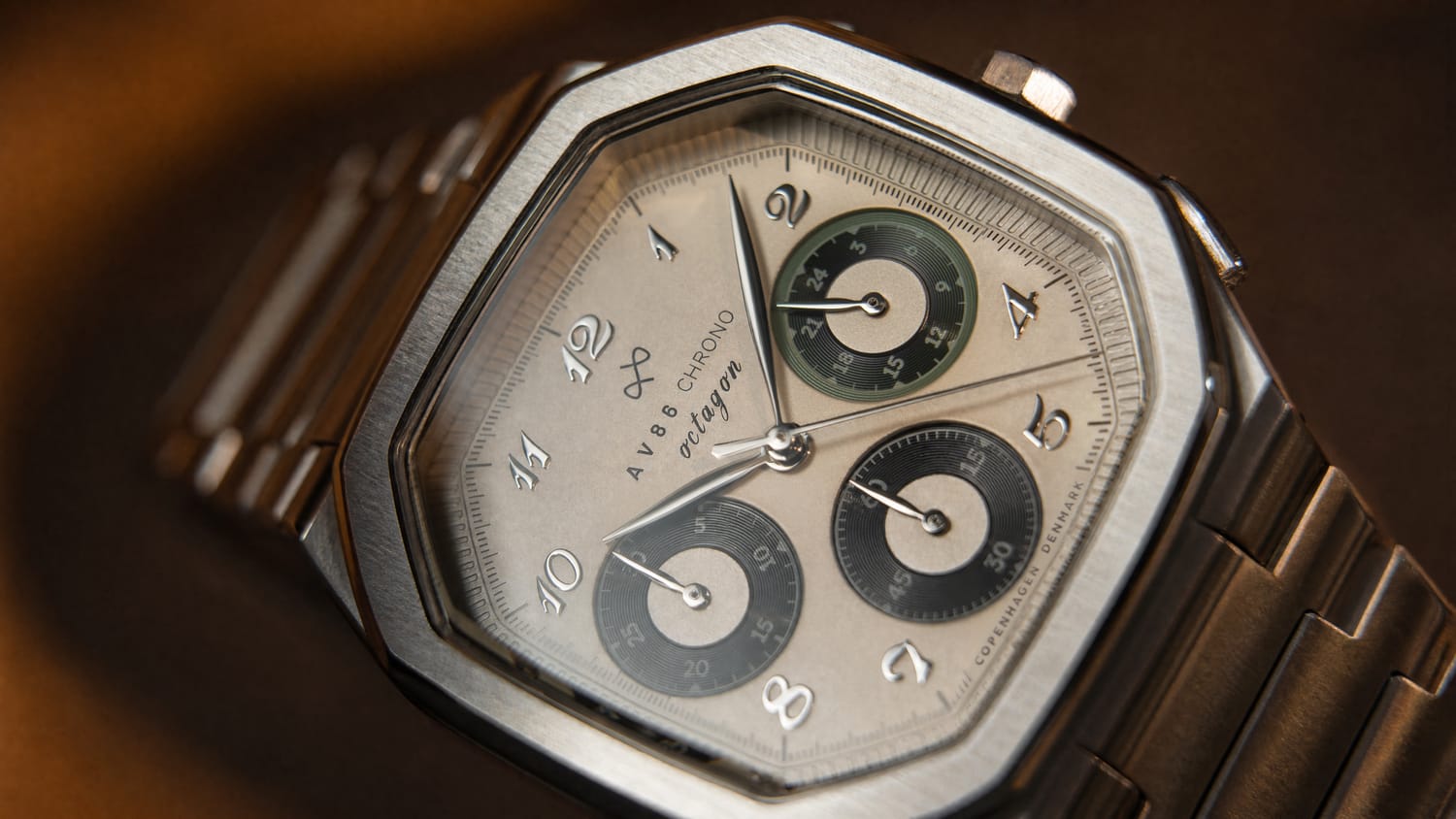
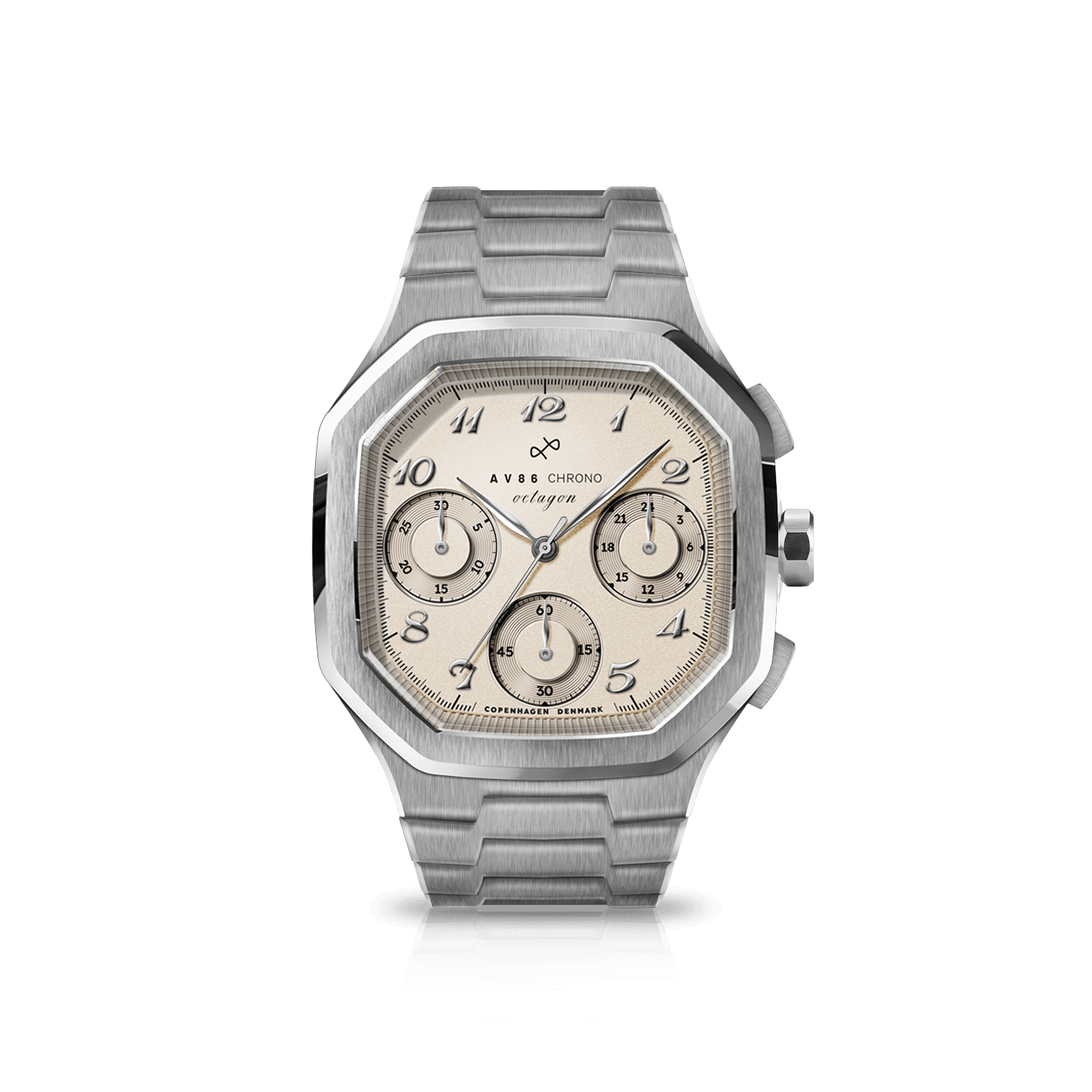
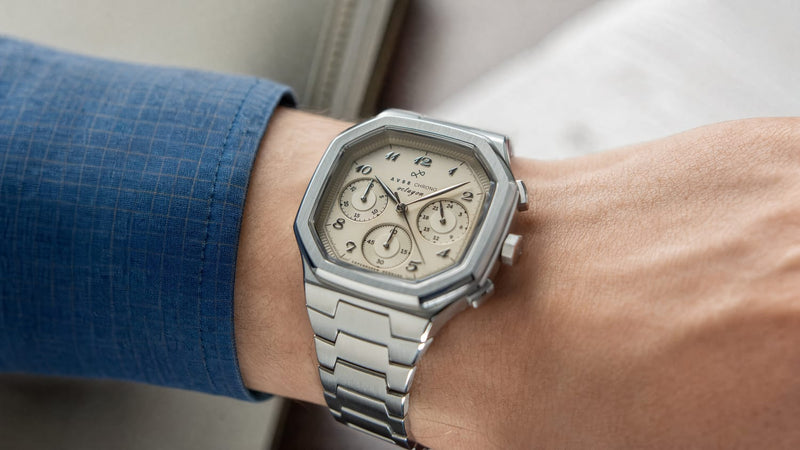
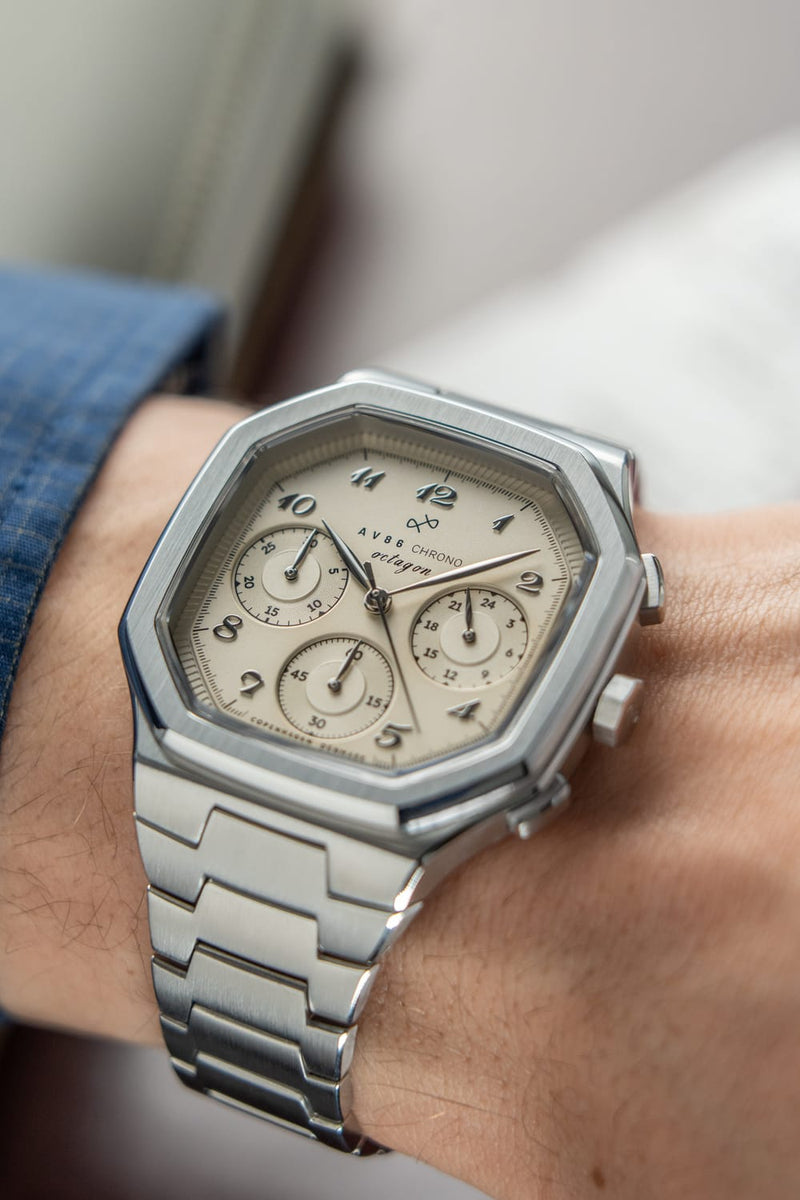
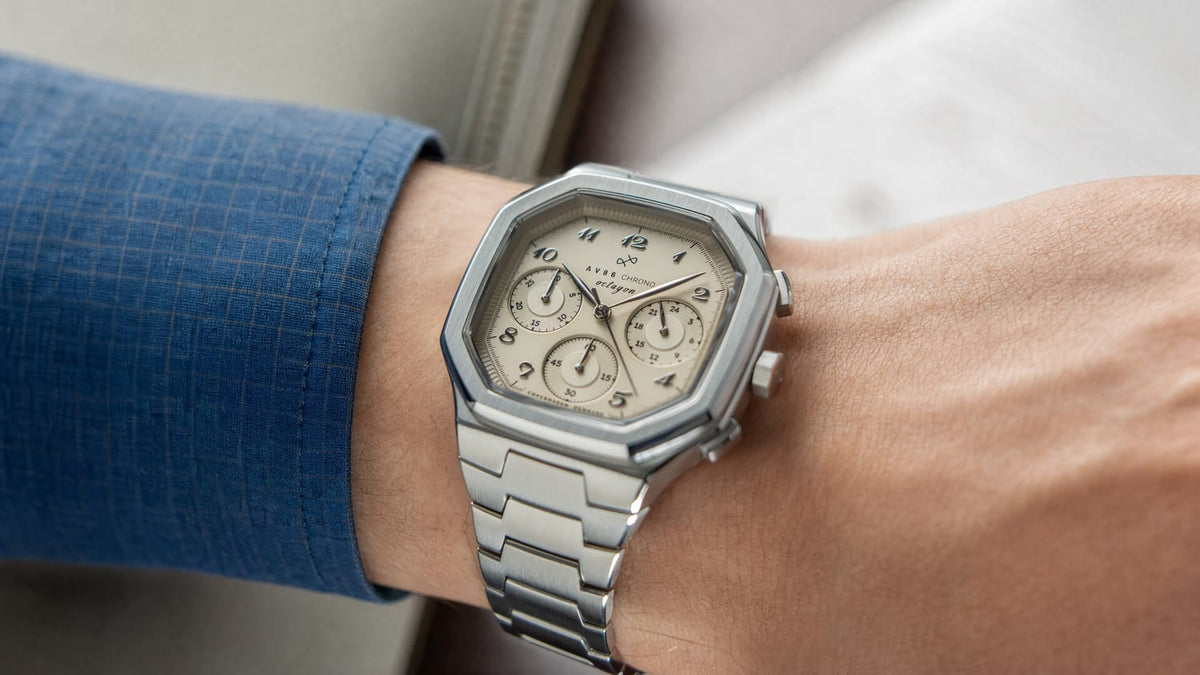
A chronograph watch has two pushers on one side used to start, stop, and reset the chronograph function without altering the timepiece itself. The two to three sub-dials on the watch enable you to compare base time with time elapsed. The watch also has a Tachymeter feature that allows you to calculate your speed or that of an object. The complex features in the chronograph watch make it have a high market value. When choosing the right chronograph watch, you should consider one easy to read even at night and is very accurate. Also, choose one that is water-resistant and has adequate power reserves.
A brief history
The chronograph has a precise origin. Louis Moinet invented the first example in 1816 to track astronomical objects, building a movement that beat at 216,000 vibrations per hour, a frequency record that held for a century. Nicolas Mathieu Rieussec developed the first commercially sold chronograph in 1821 for King Louis XVIII, who used it to time horse races. From there, the complication moved from pocket watches to wristwatches, finding a natural home among aviators and racing drivers through the 20th century.
A significant milestone arrived in 1969 with the introduction of the first automatic chronograph movement, which brought self-winding convenience to the stopwatch complication. The year references embedded in our own model names, 1815, 1844, 1934, and 1960, are deliberate nods to this history. Each number connects the watch to a specific moment in the broader story of horology, giving the piece a context that goes beyond the dial.
Sub-dial mechanics
Pressing the top pusher engages a column wheel or cam that connects the escapement's energy to the central chronograph seconds hand. A second press disengages this train, freezing the hand so elapsed time can be read. The bottom pusher activates a heart-piece cam that snaps all chronograph hands back to zero. Sub-dials accumulate elapsed minutes and hours independently of this central hand, so longer intervals are easy to read at a glance.
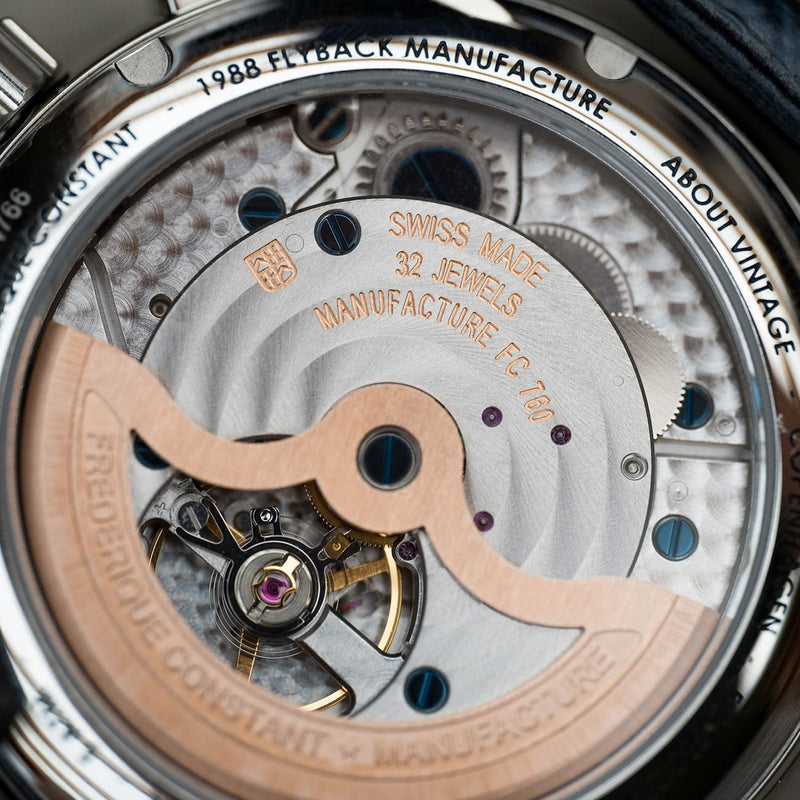
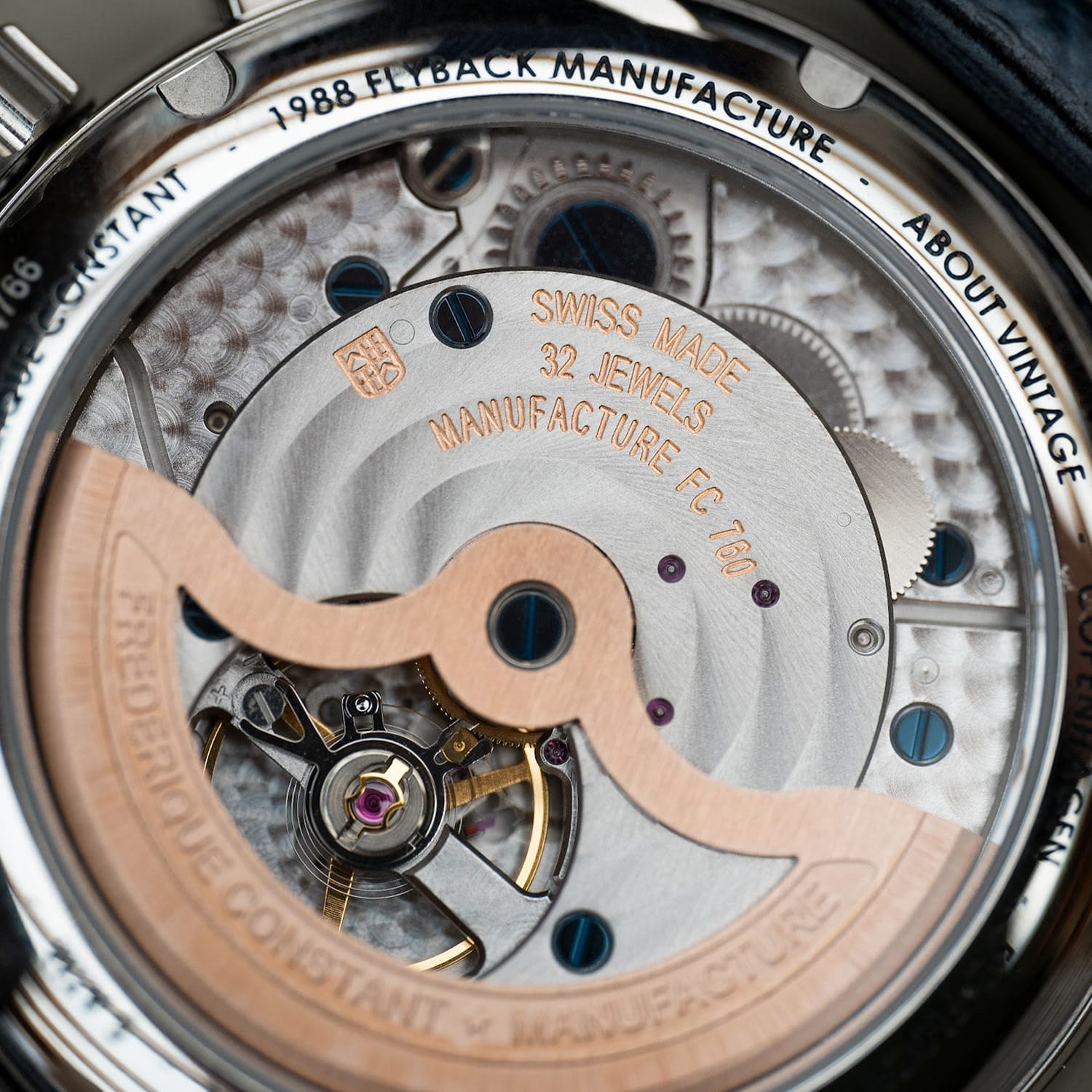
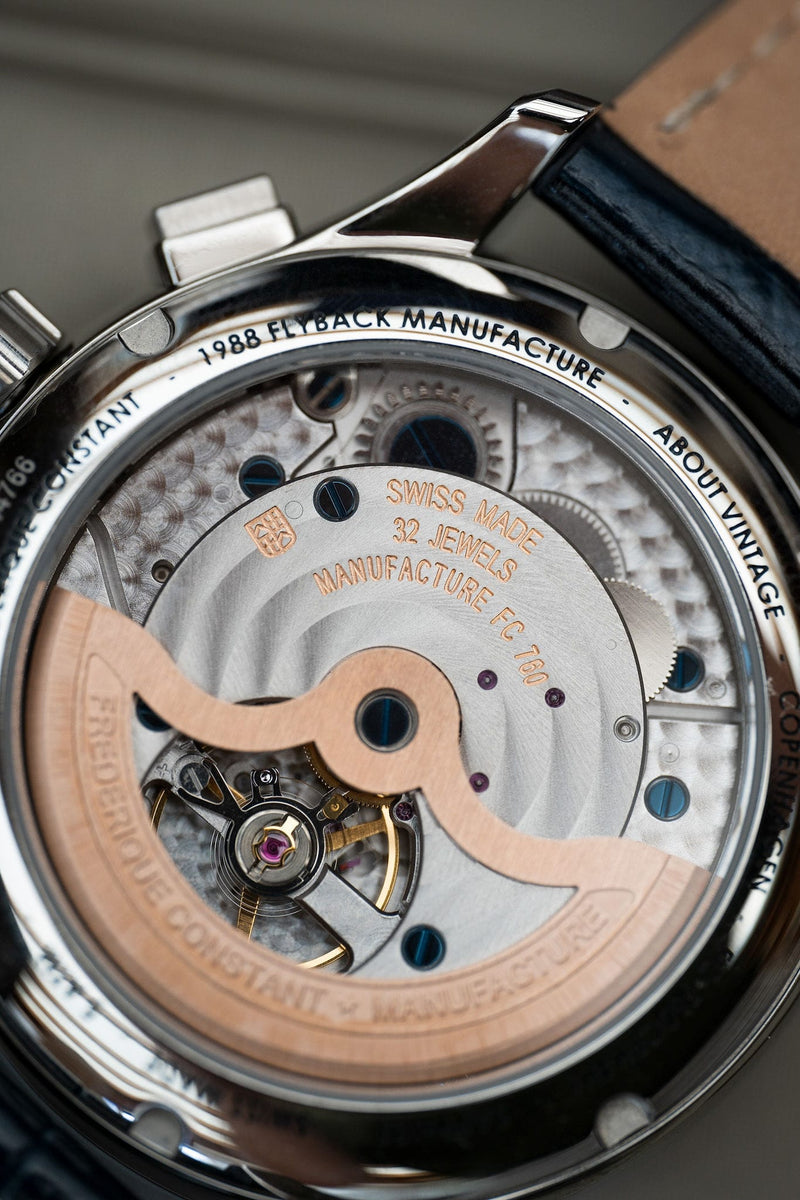
In our precision mechanical watch collection, automatic chronograph movements use a rotor to wind the mainspring through the motion of the wrist. Hand-wound movements require the crown to be wound manually. In both cases, the chronograph function runs entirely in parallel with the timekeeping function and does not interfere with it.
Tachymeters, sub-dials, and added complications
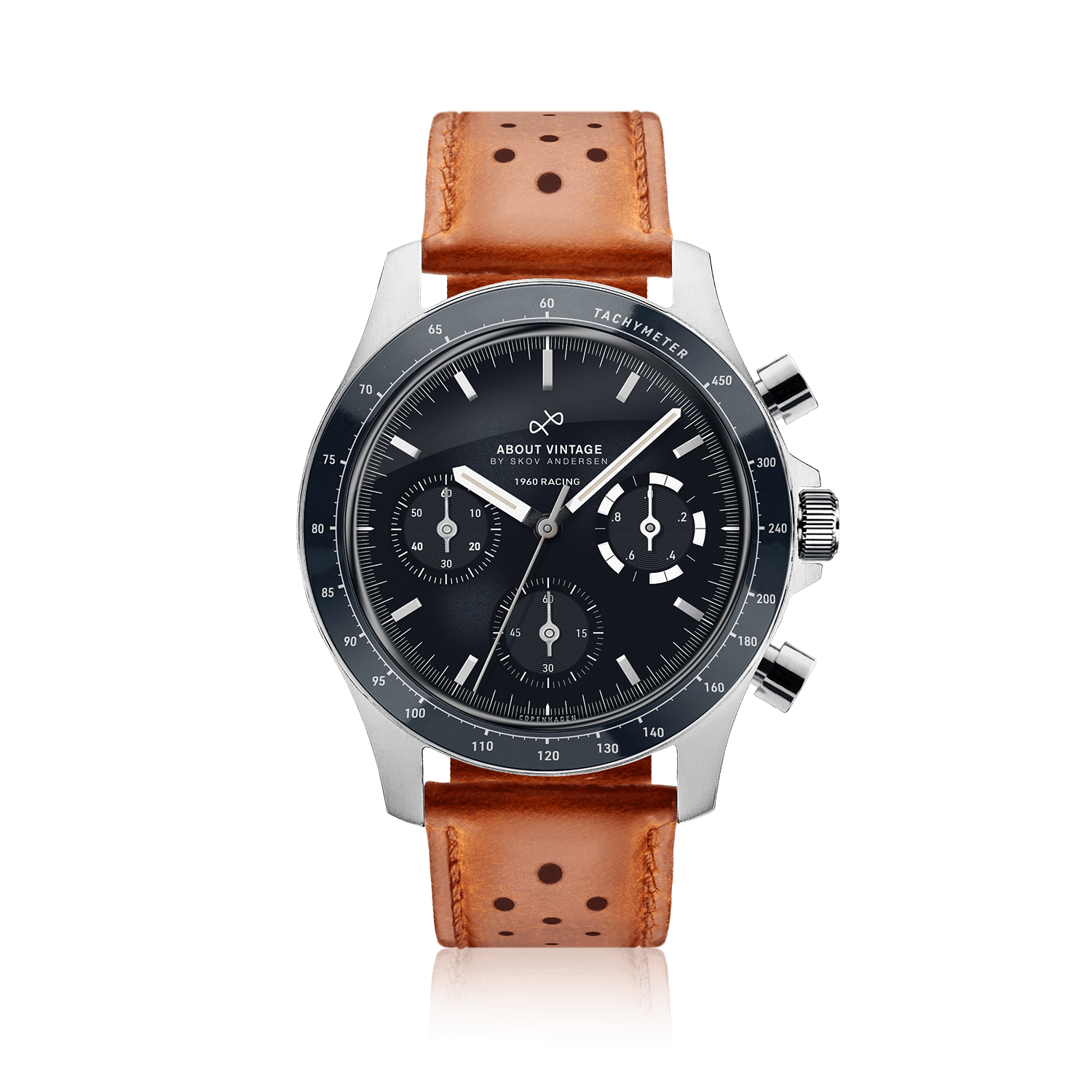
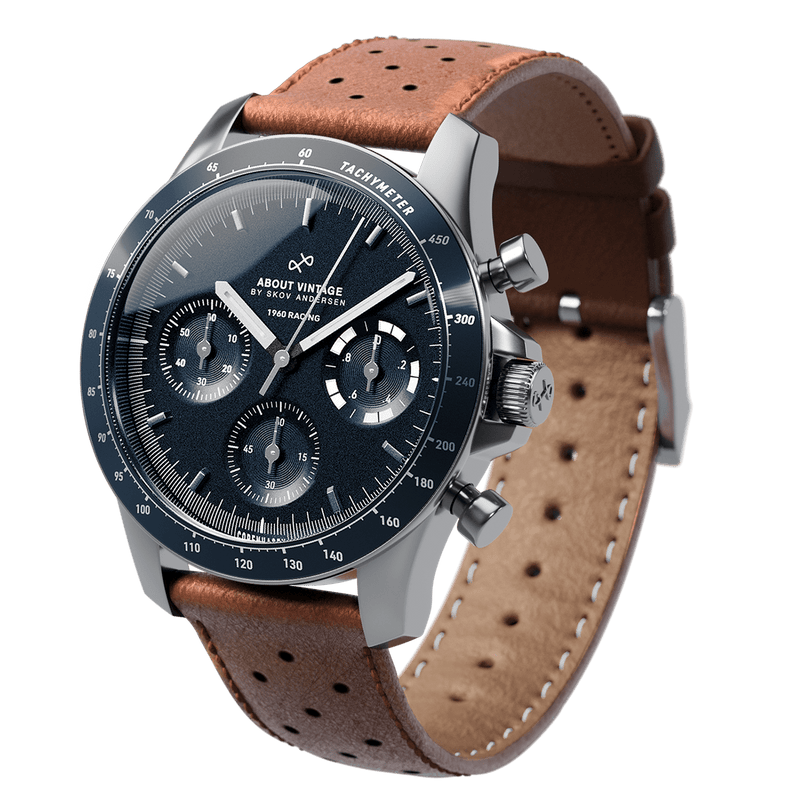
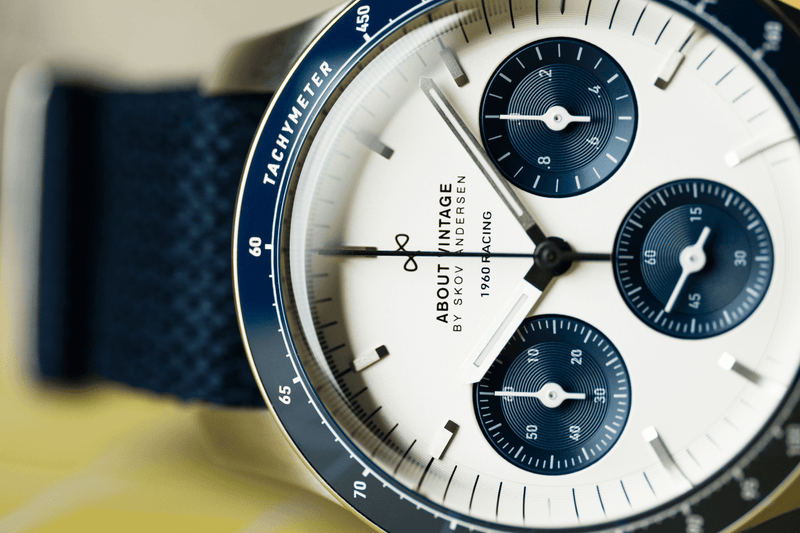
Beyond the stopwatch, chronograph dials frequently carry additional functional layers. A tachymeter scale printed on the bezel or chapter ring lets the wearer calculate speed over a known distance: start the chronograph at a mile marker, stop it one mile later, and read the corresponding speed directly from the scale.
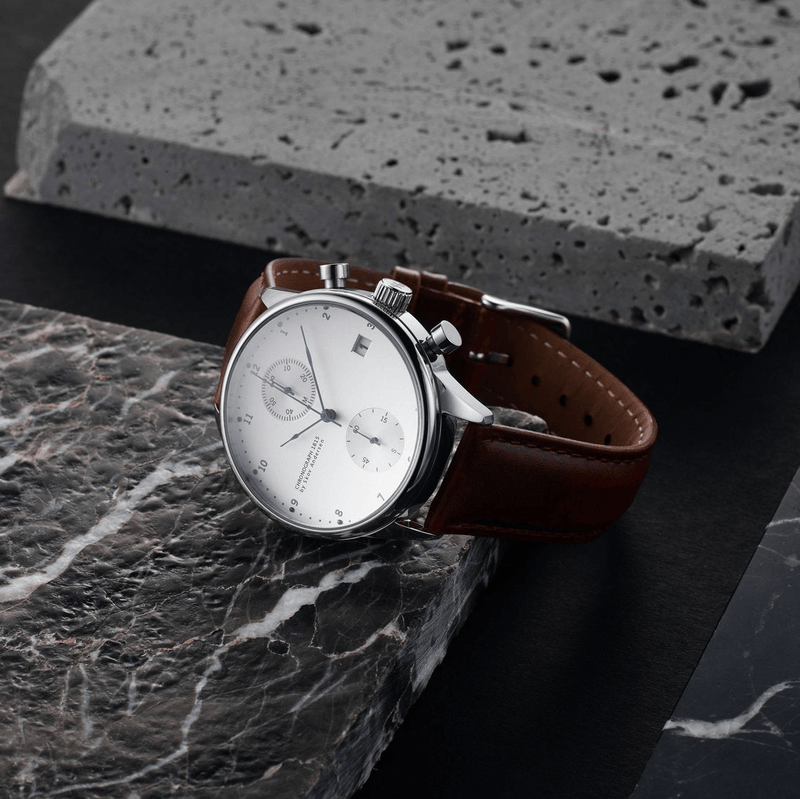
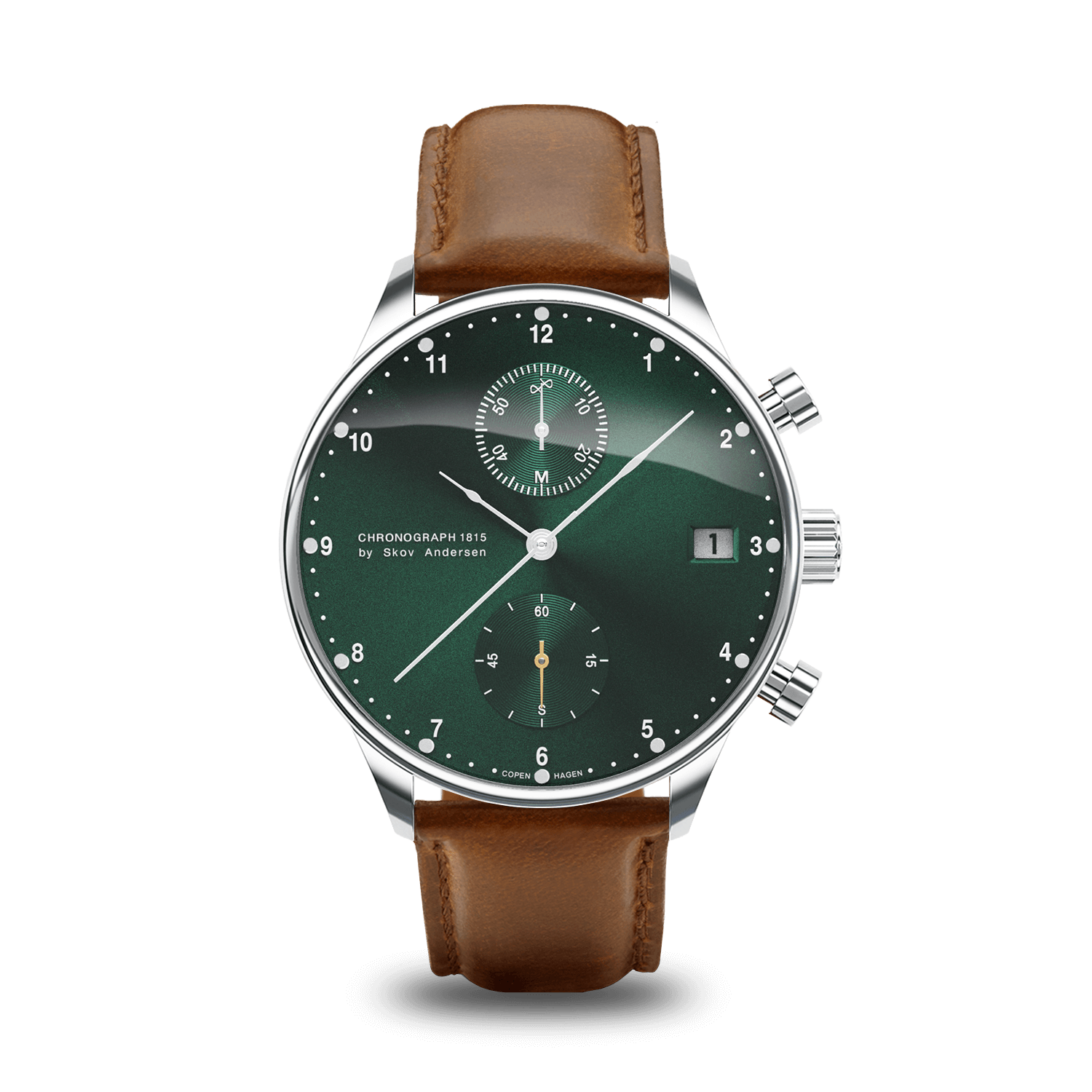
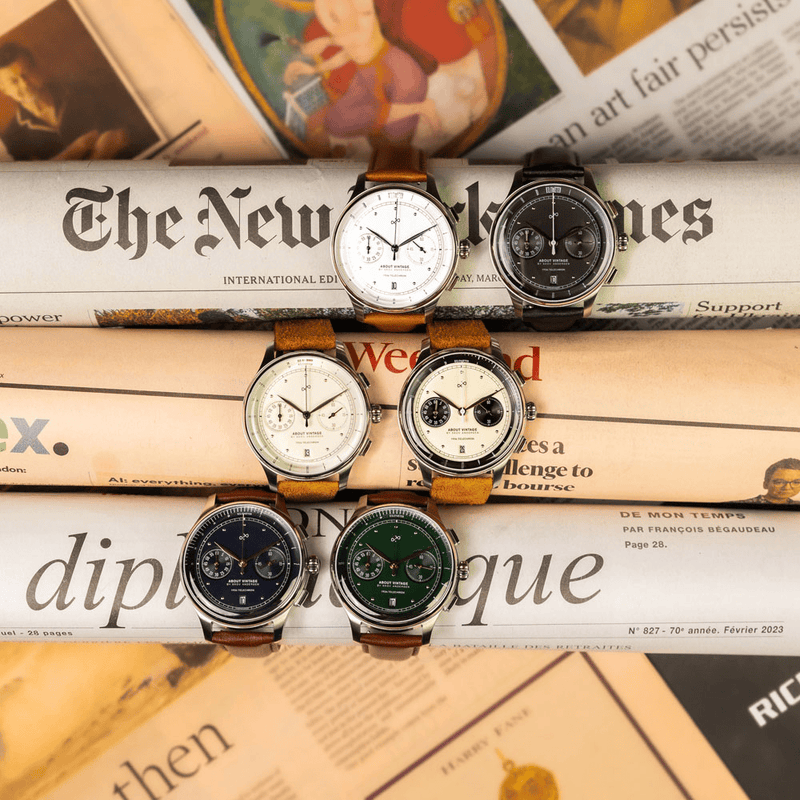
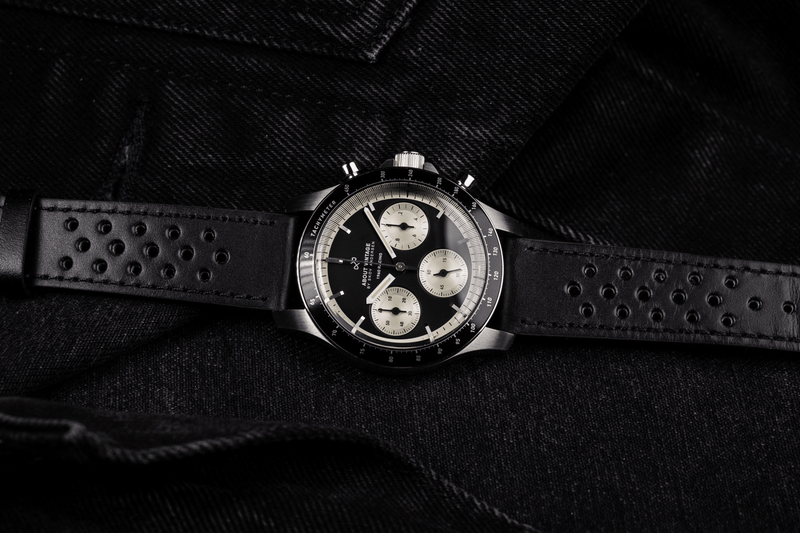
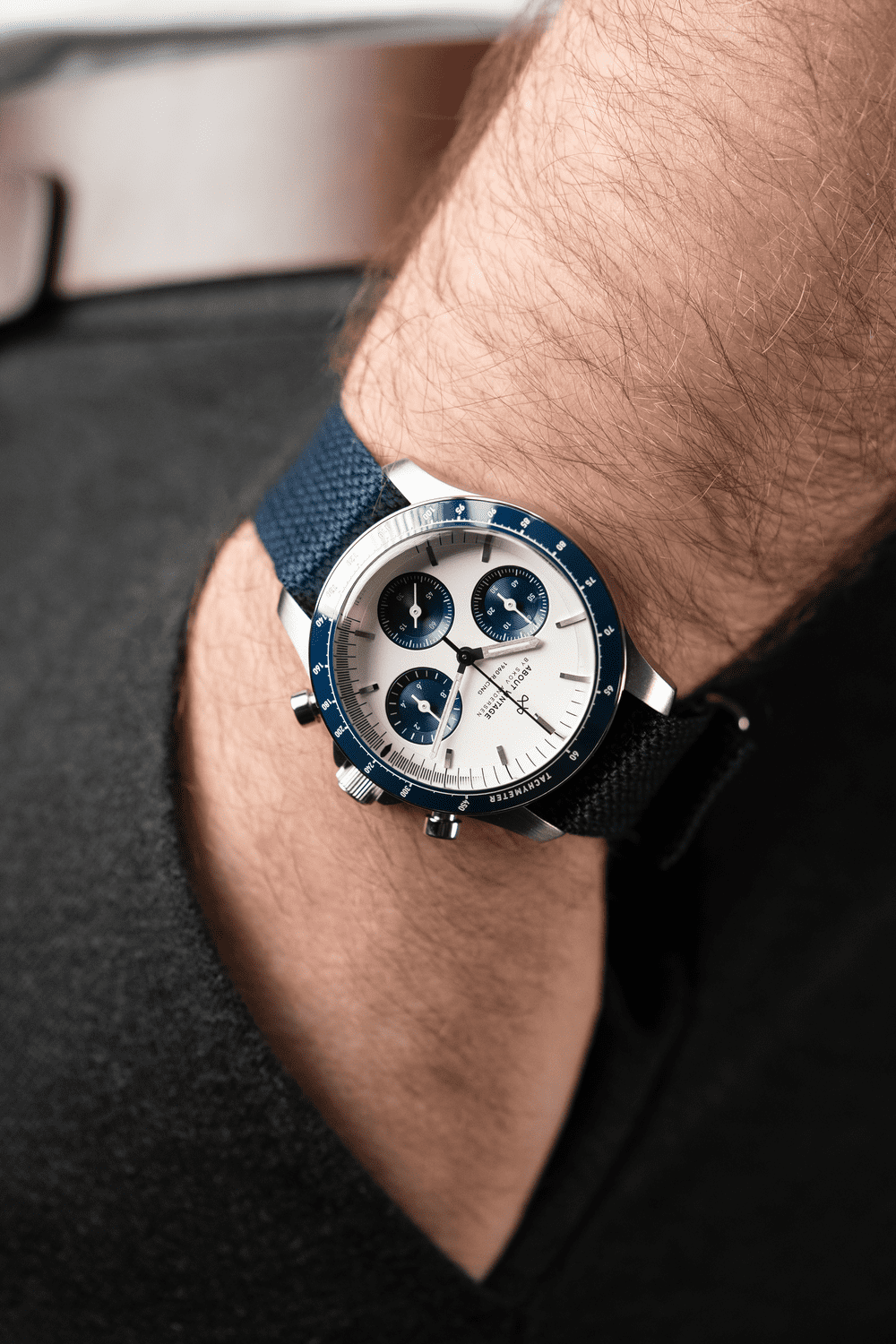
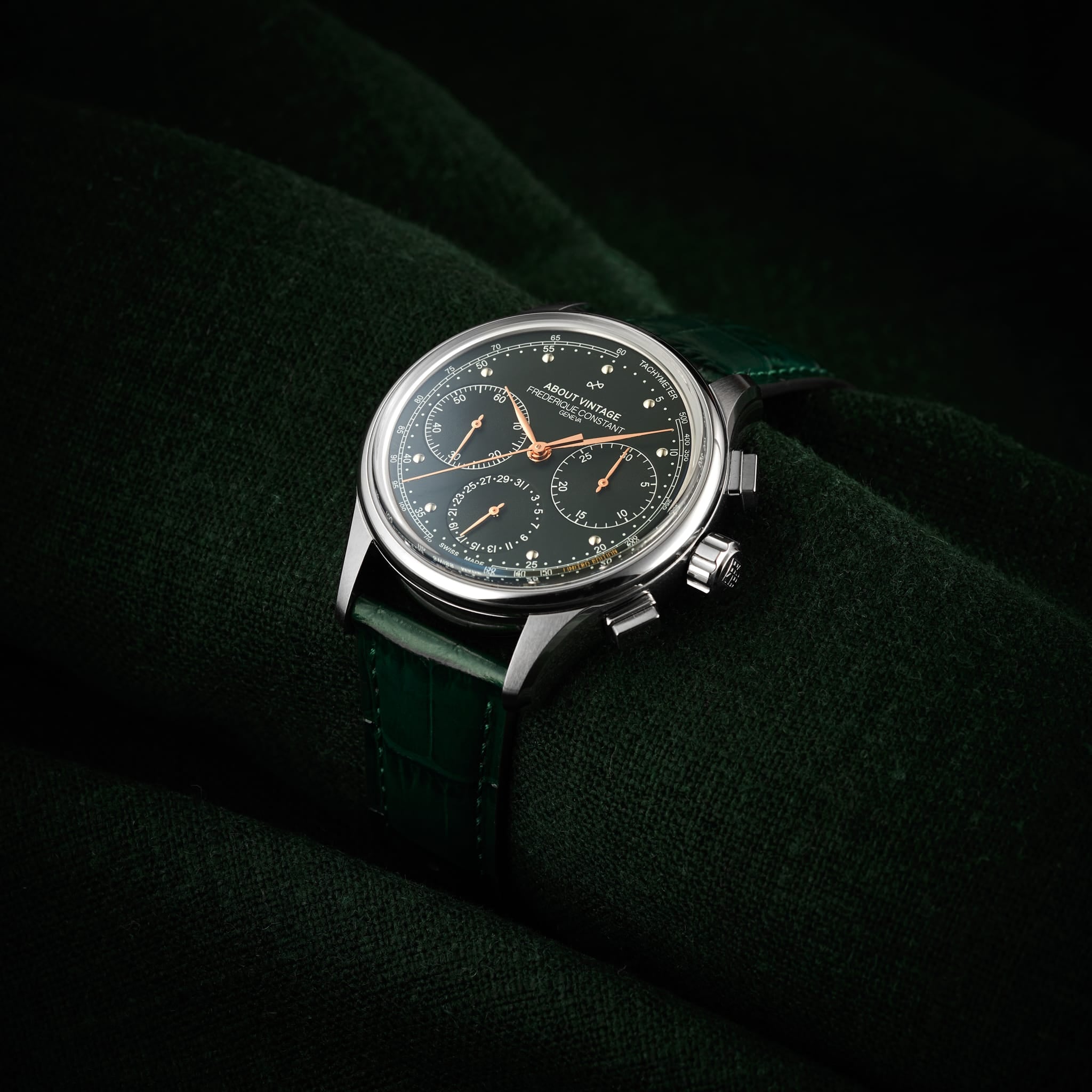
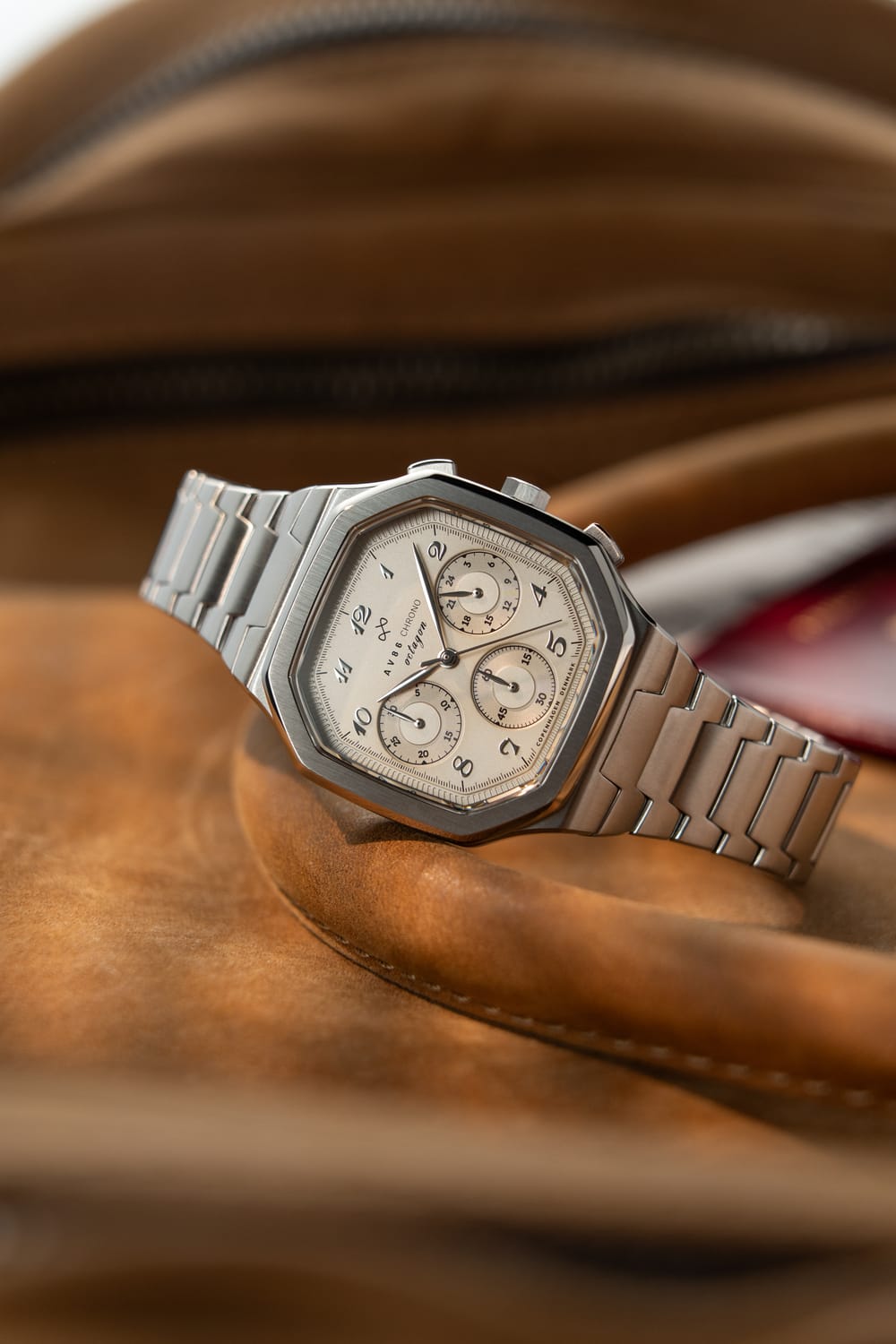
Across the chronograph collection, dial variants include sunray finishes and off-white racing-inspired dials, each reflecting a distinct functional aesthetic rather than decoration for its own sake.
Wearing the chronograph
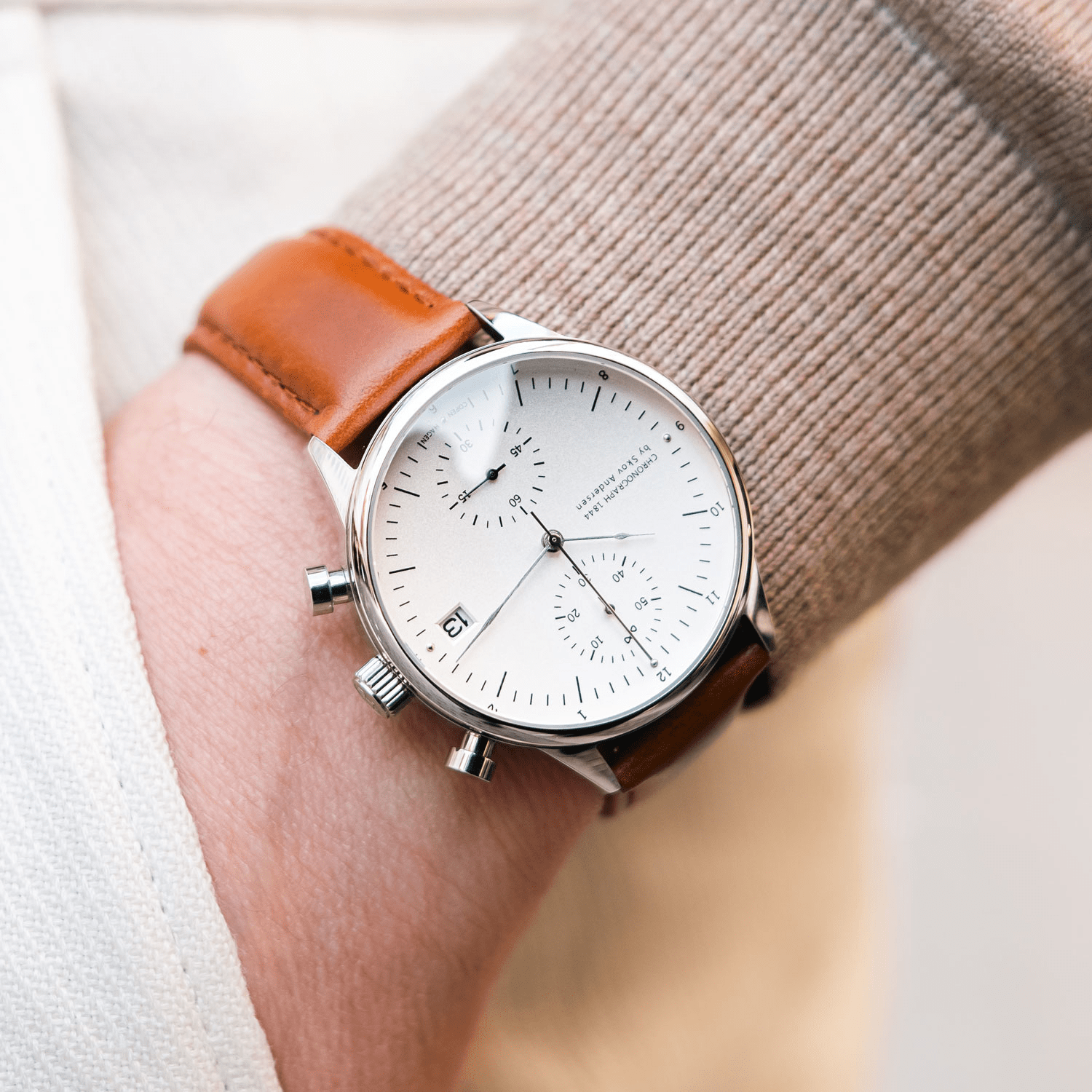
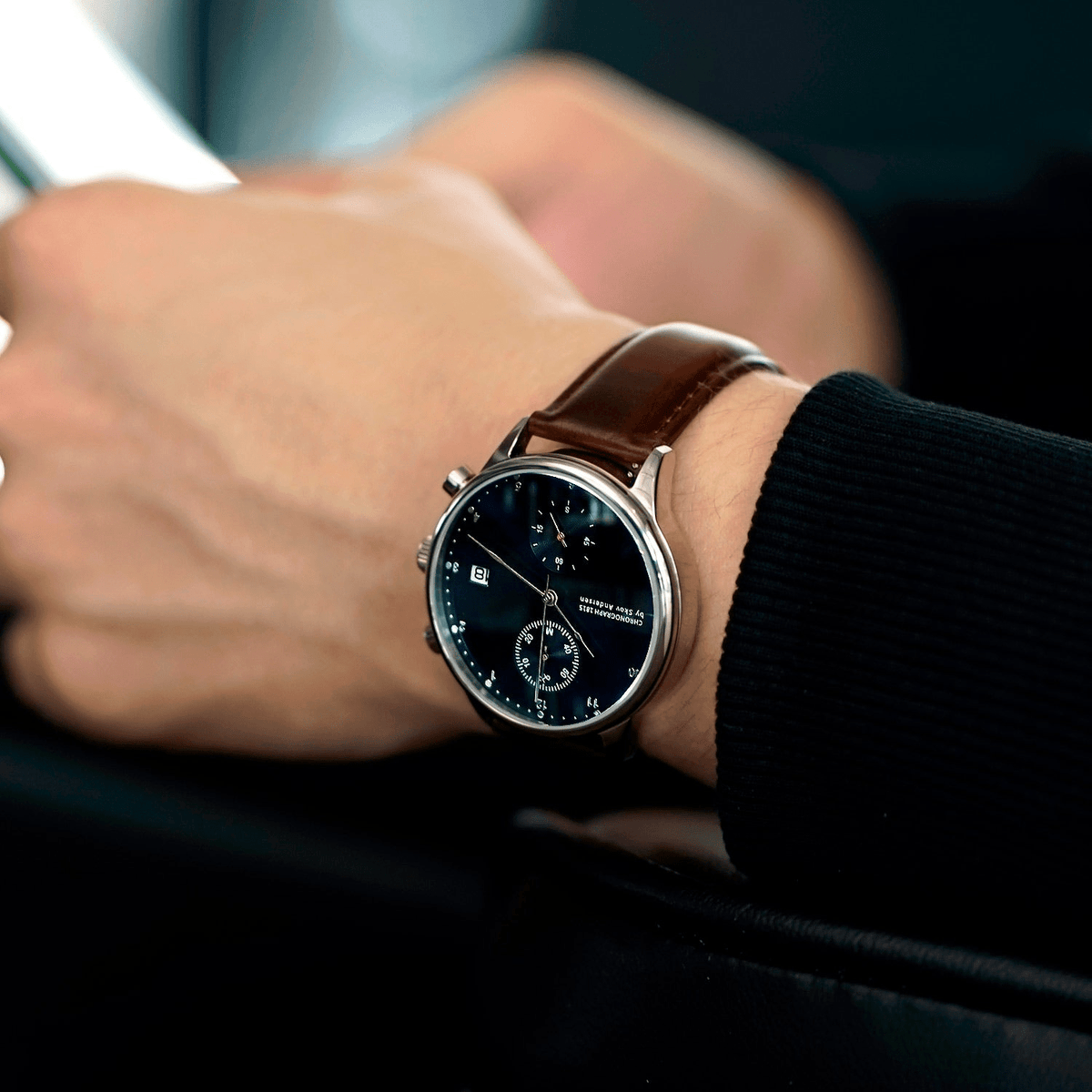
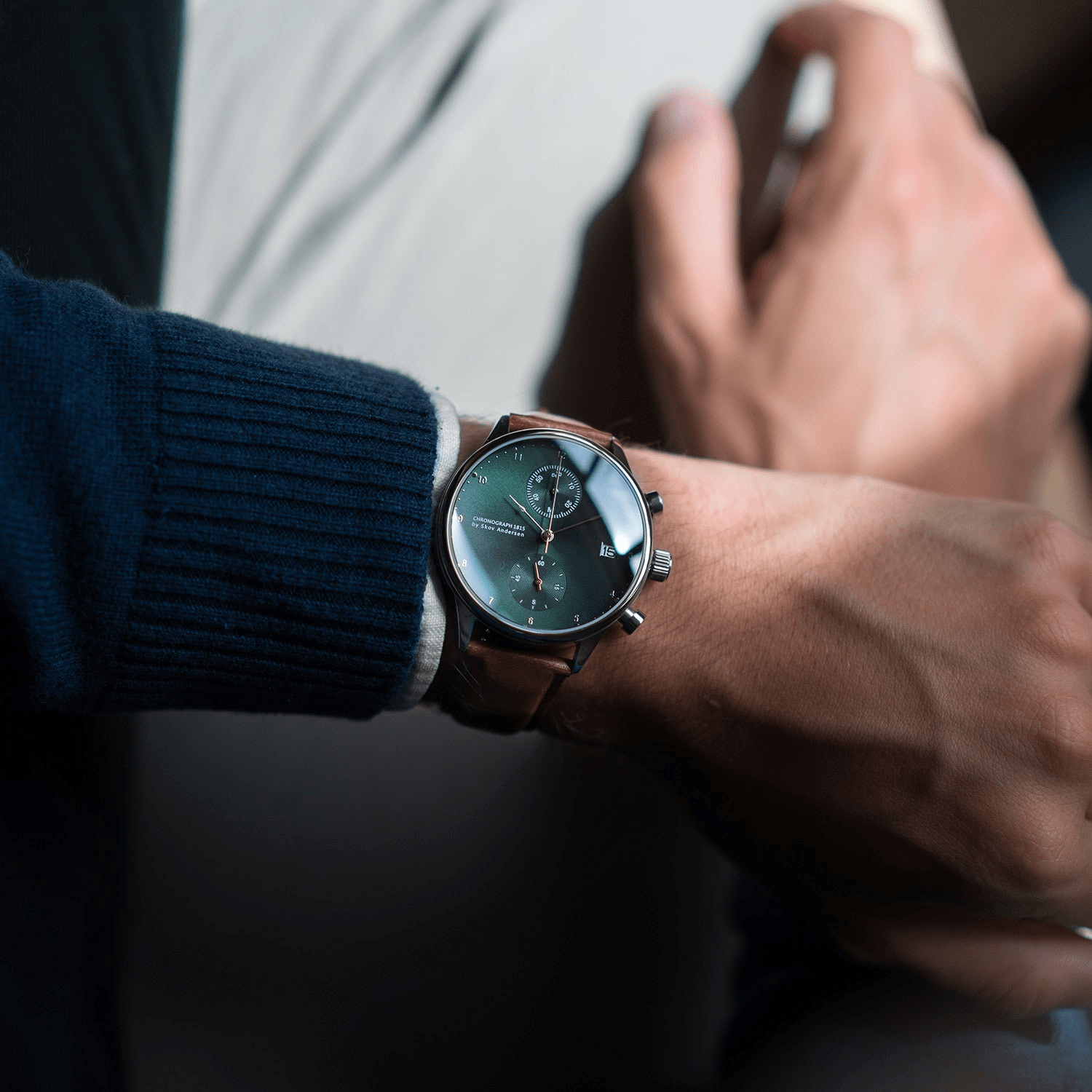
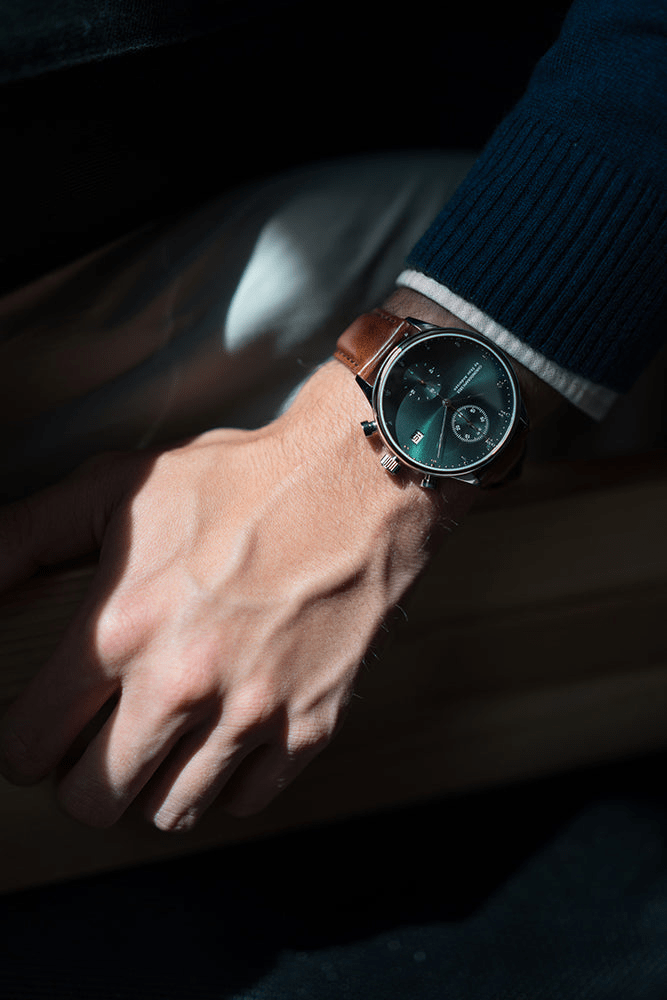
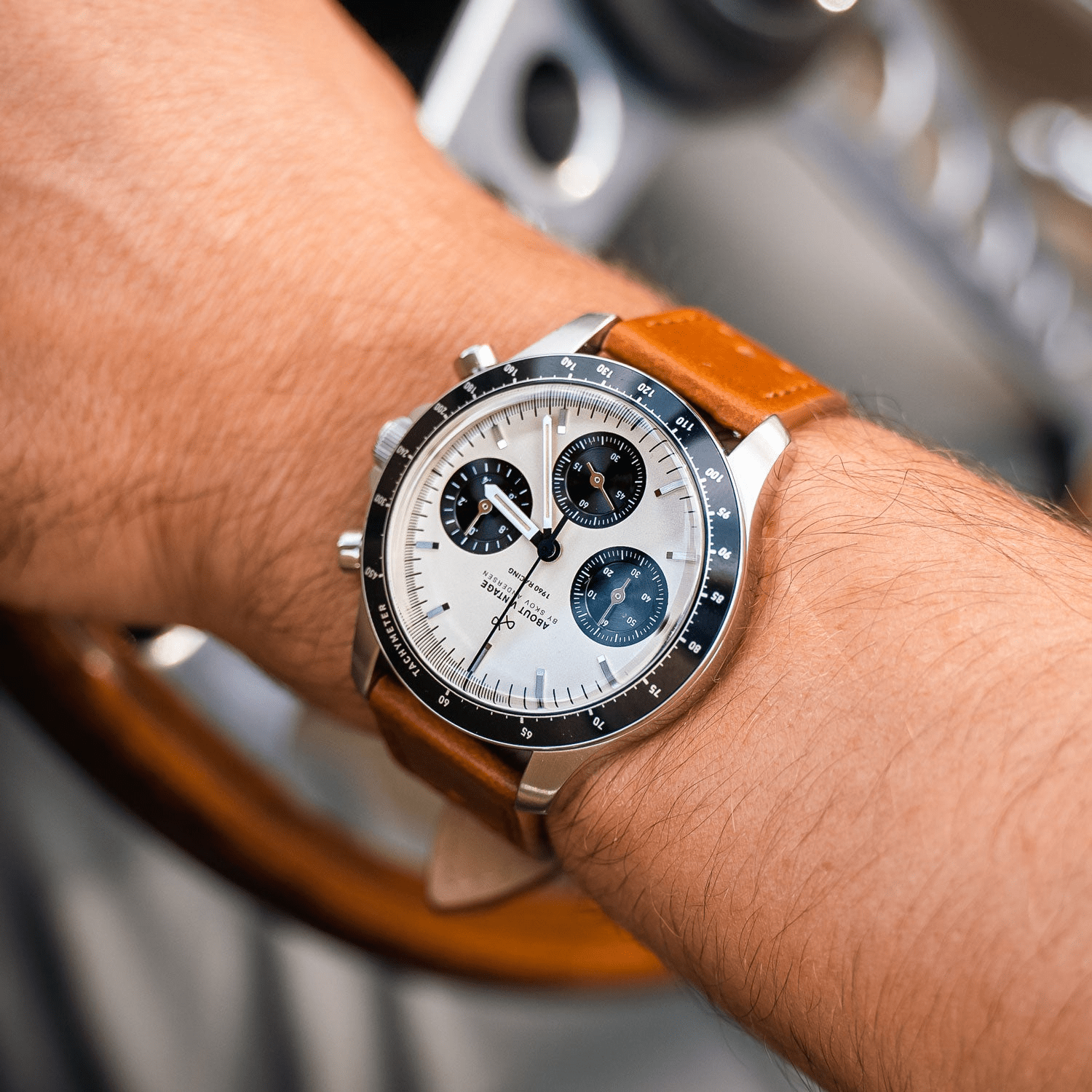
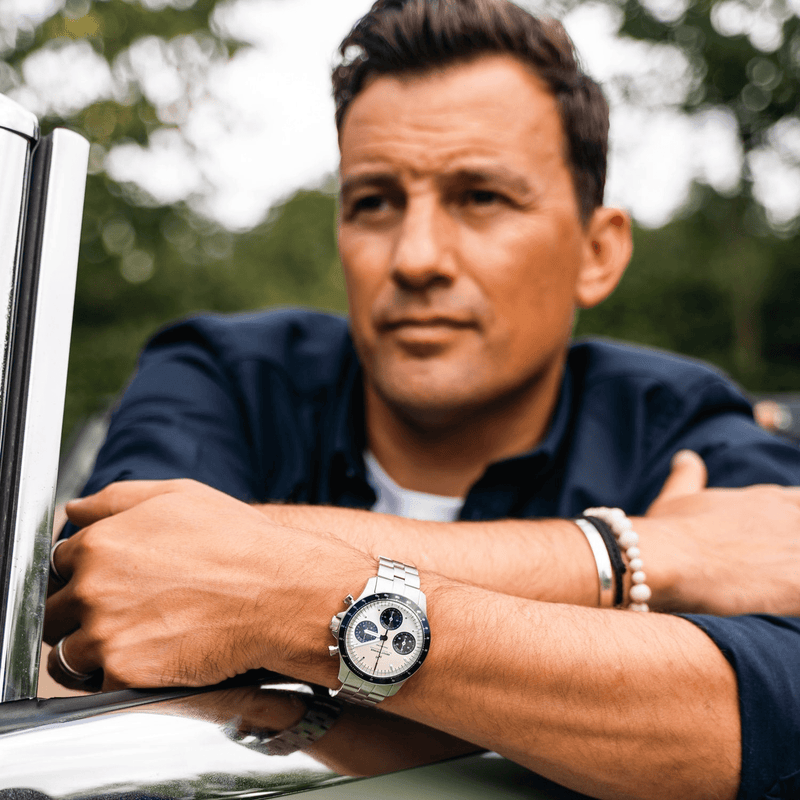
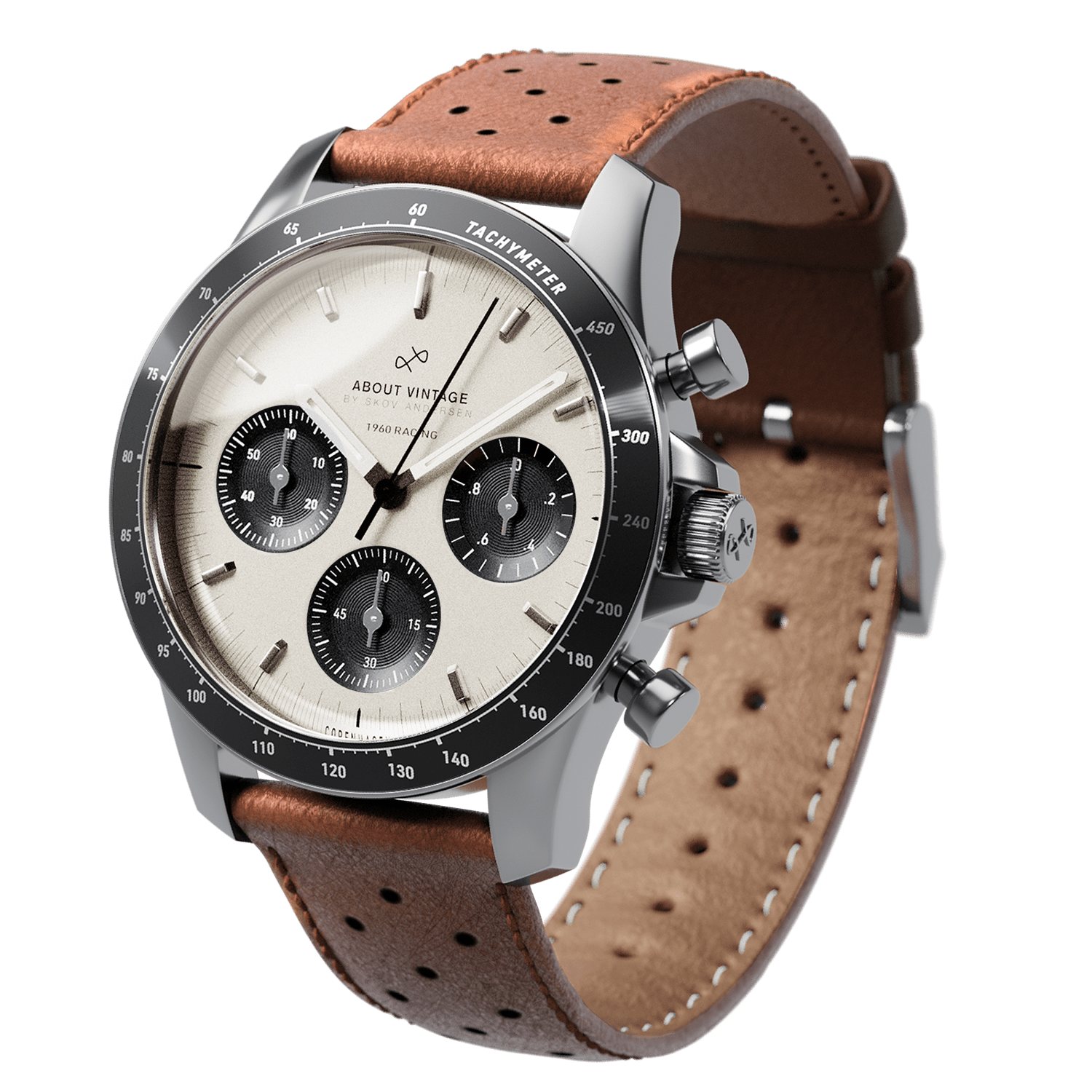
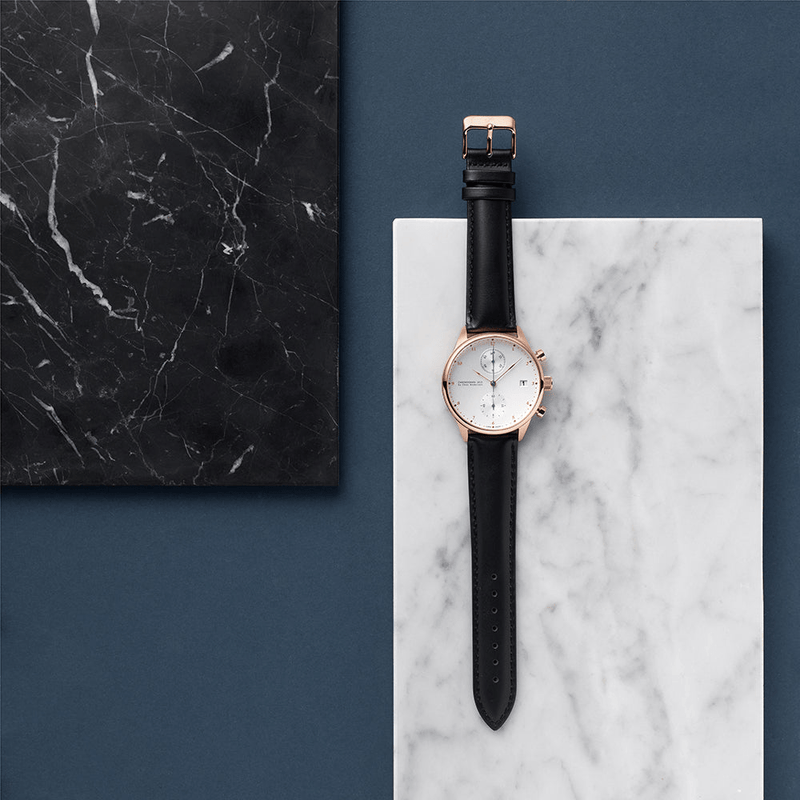
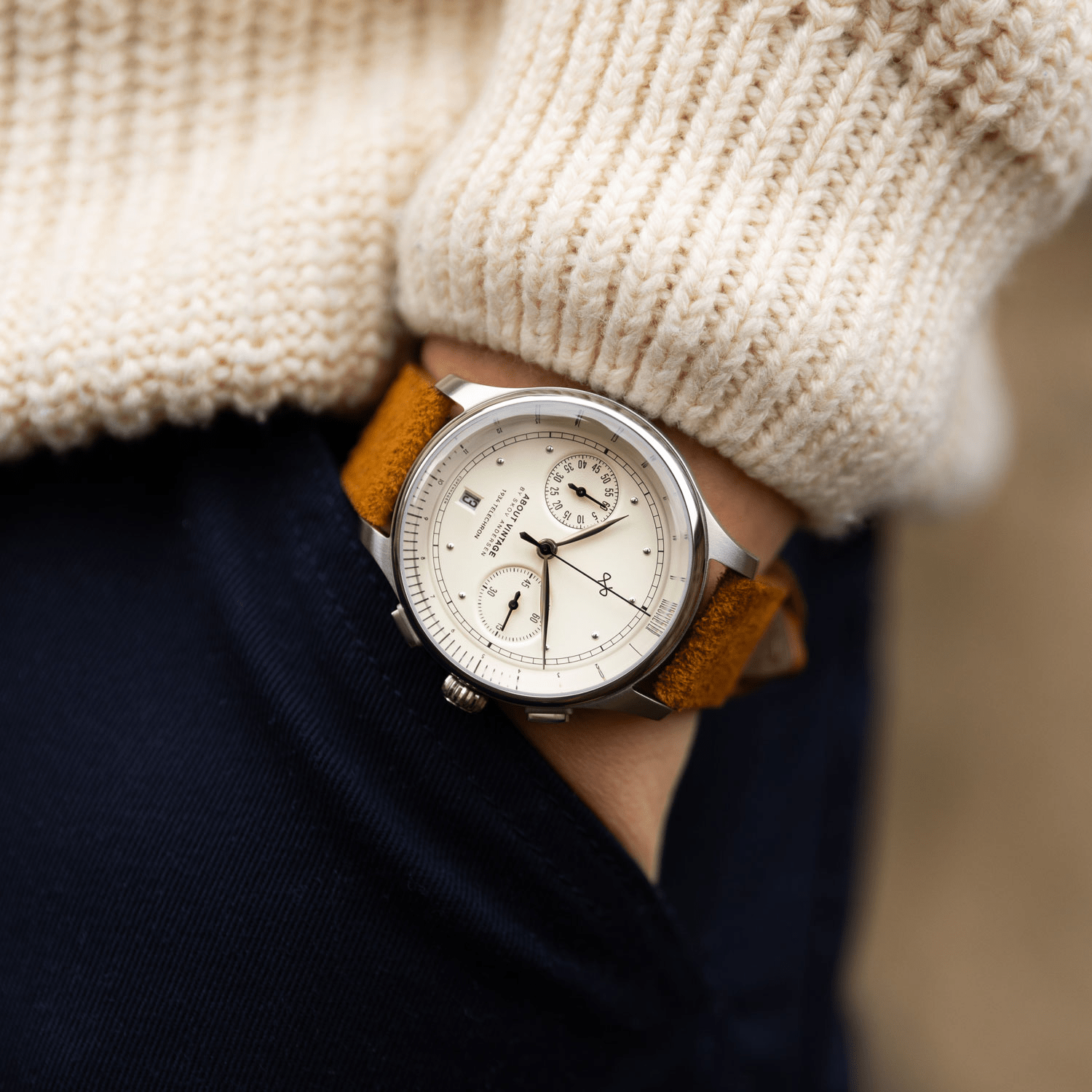
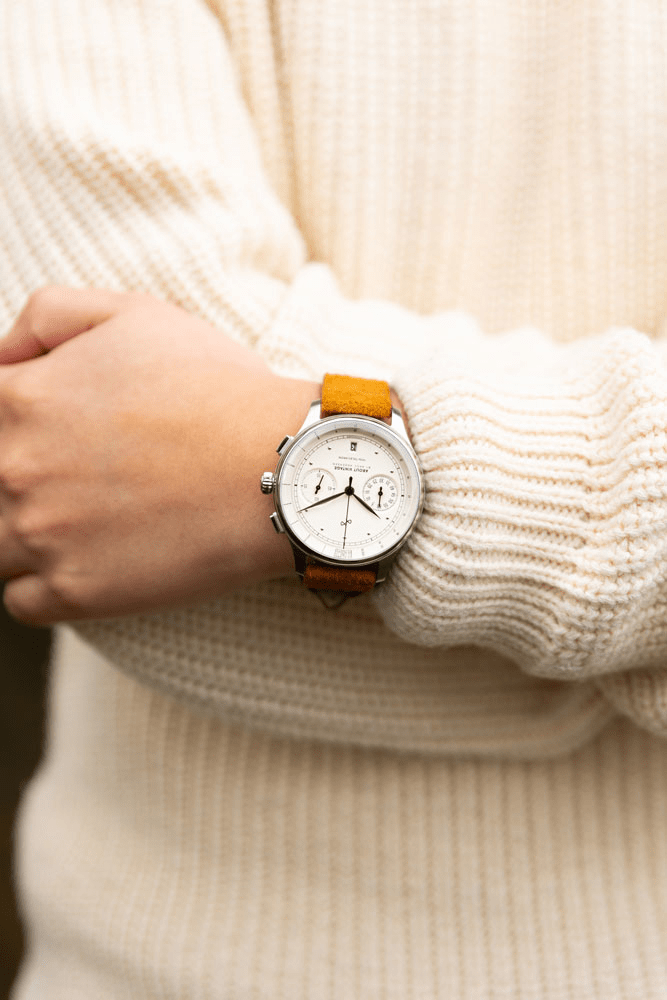
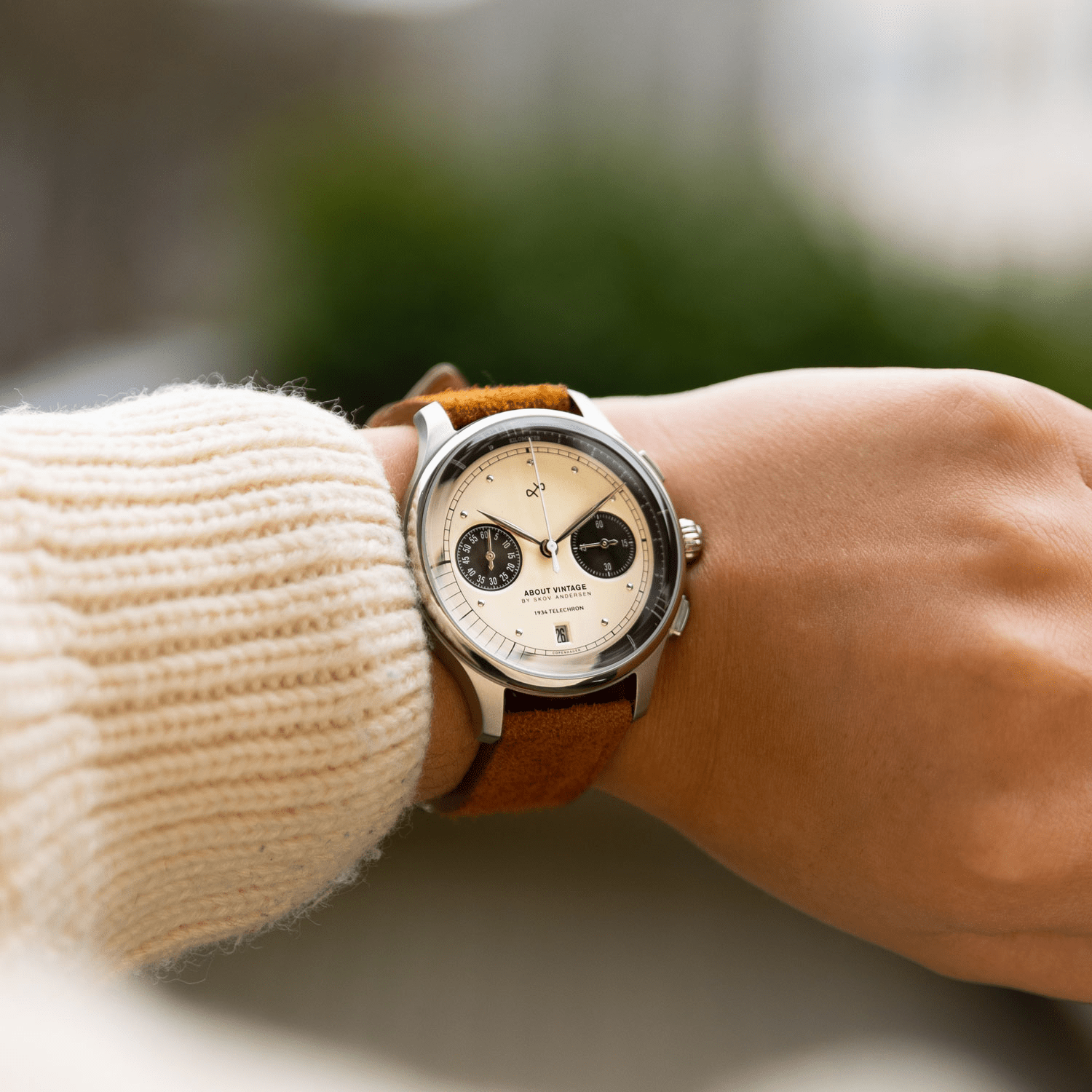
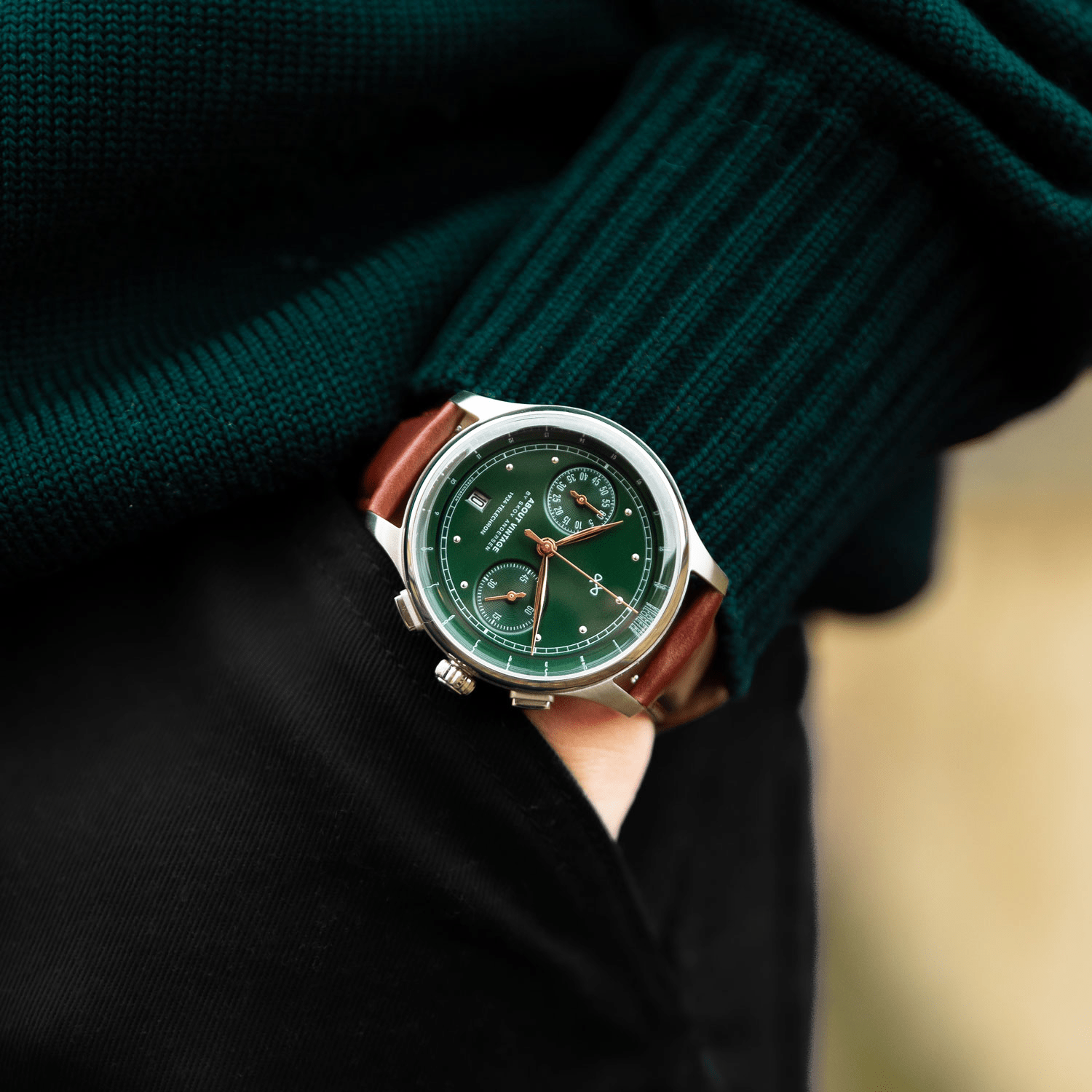
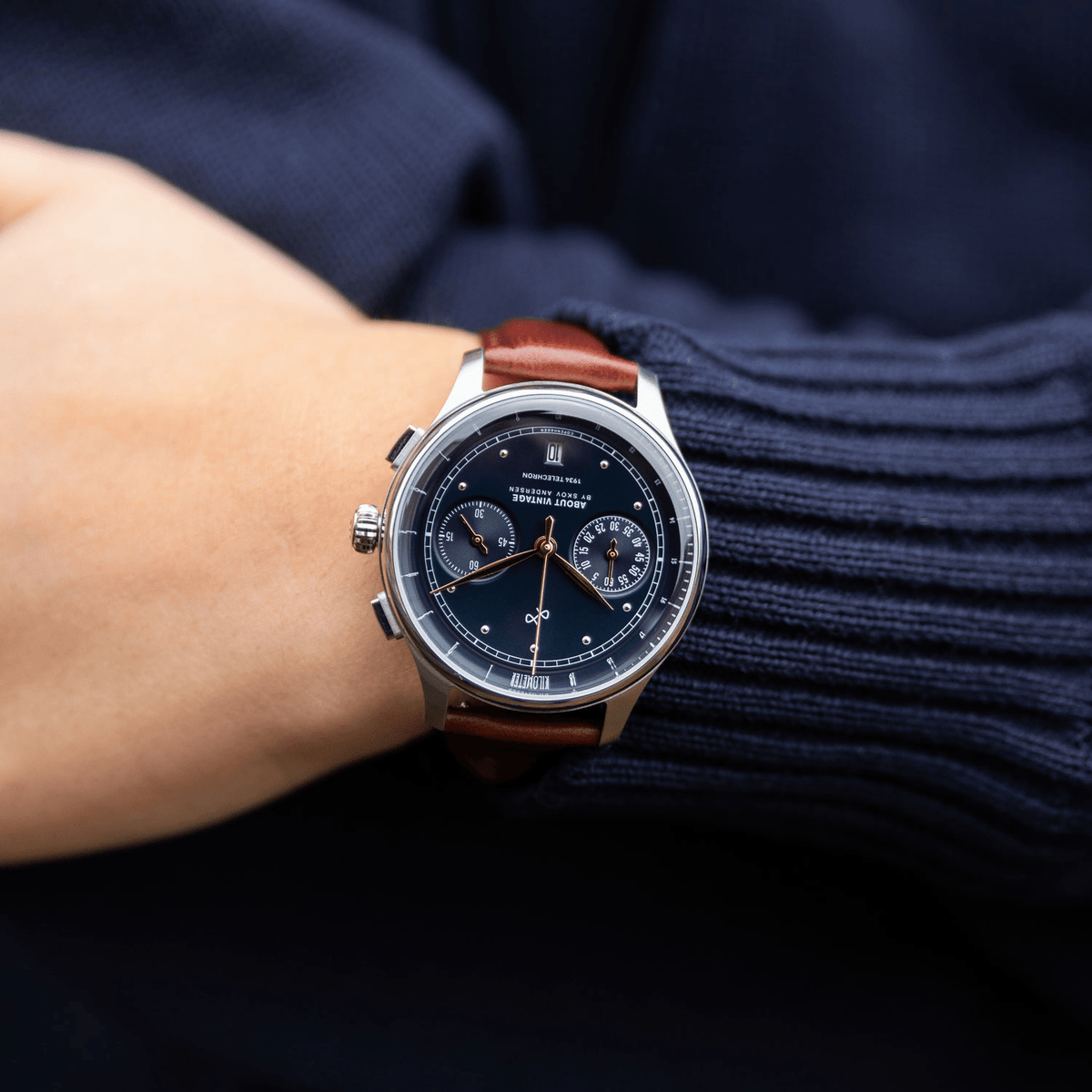
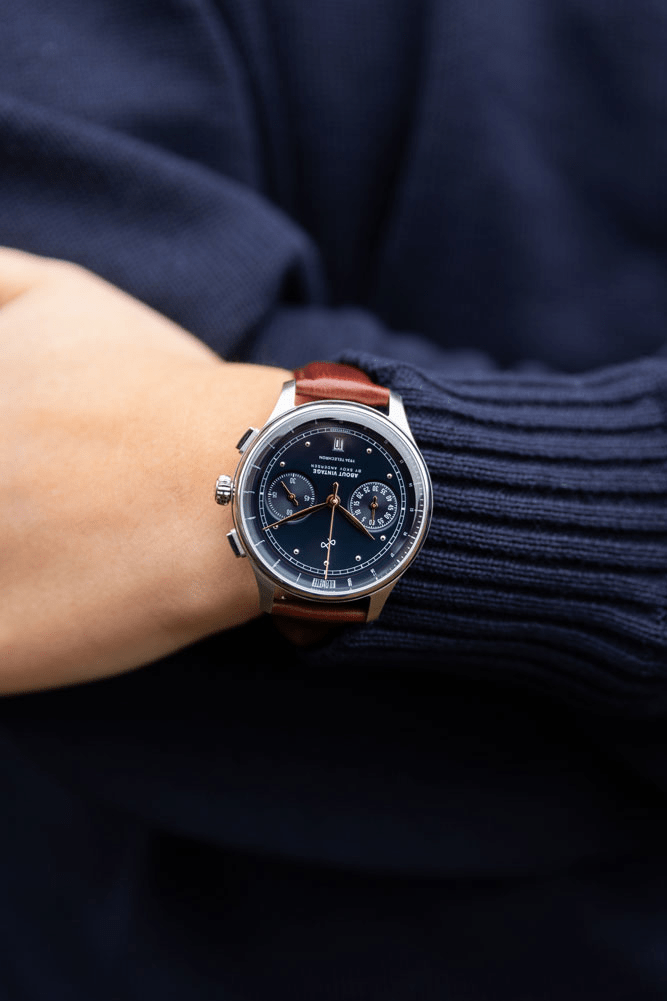
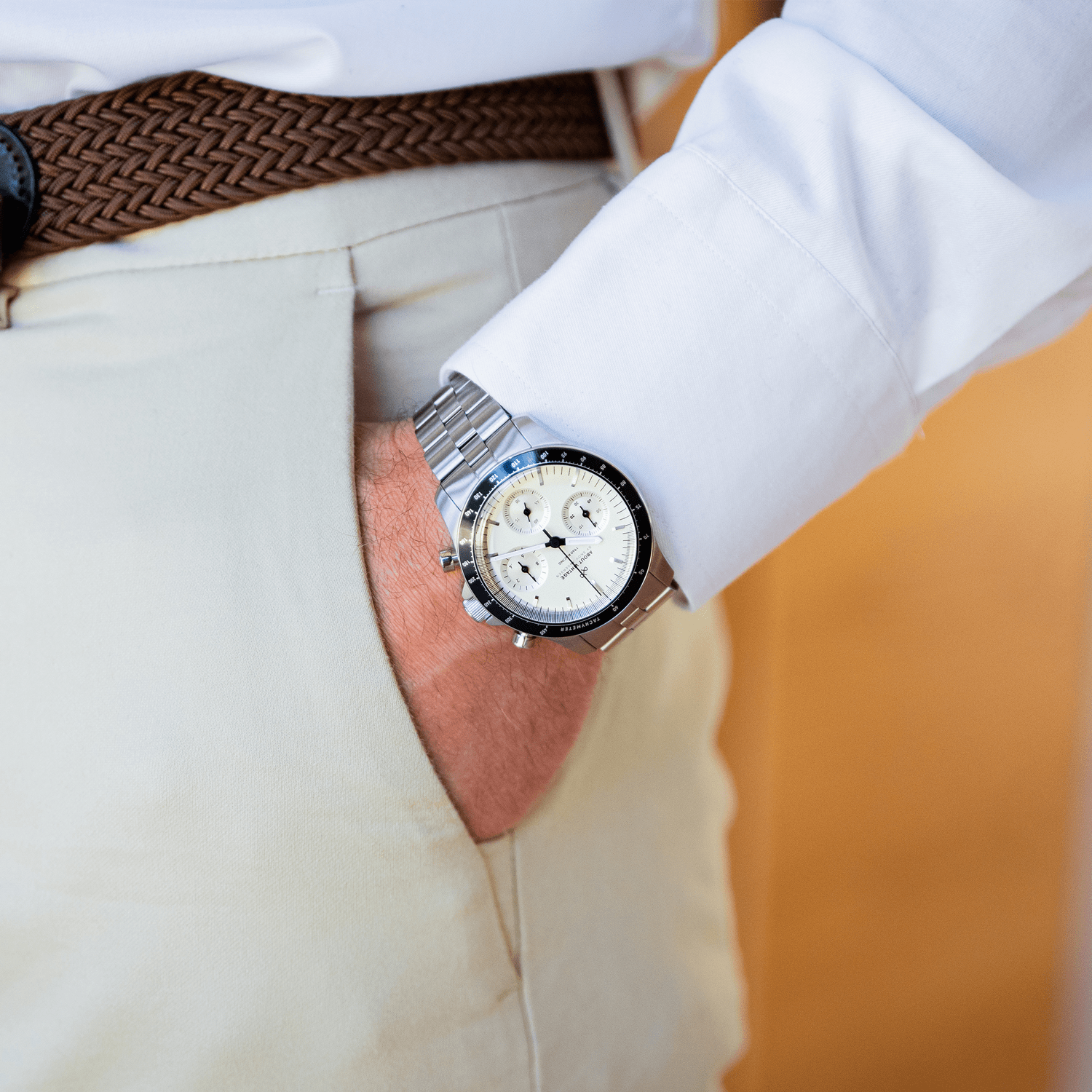
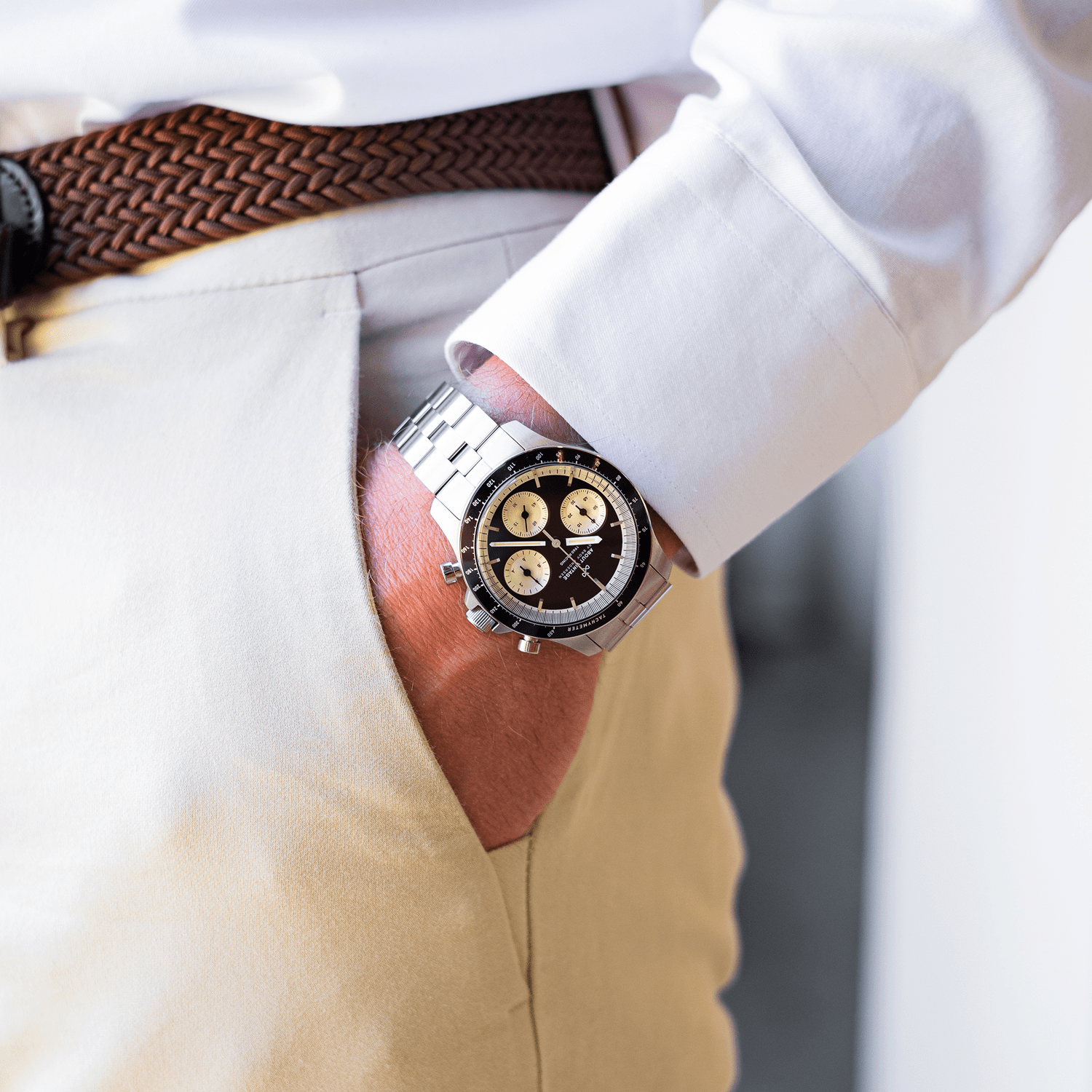
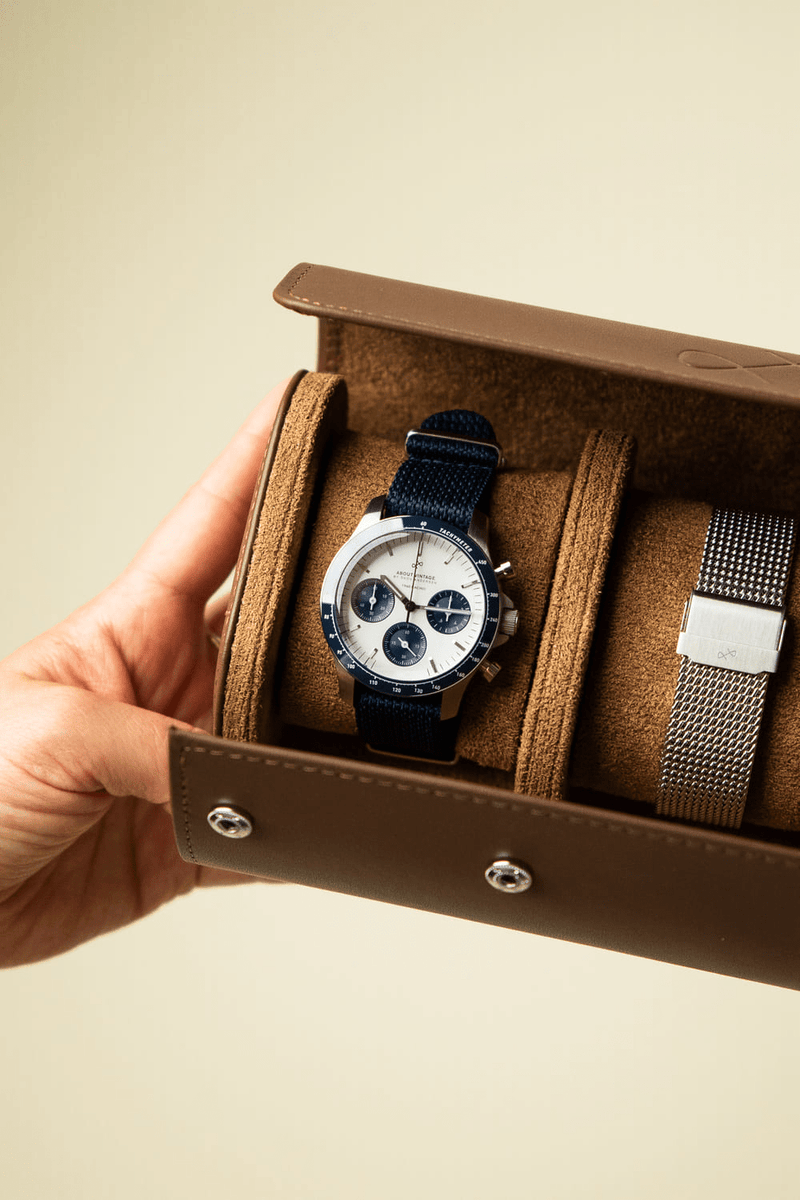
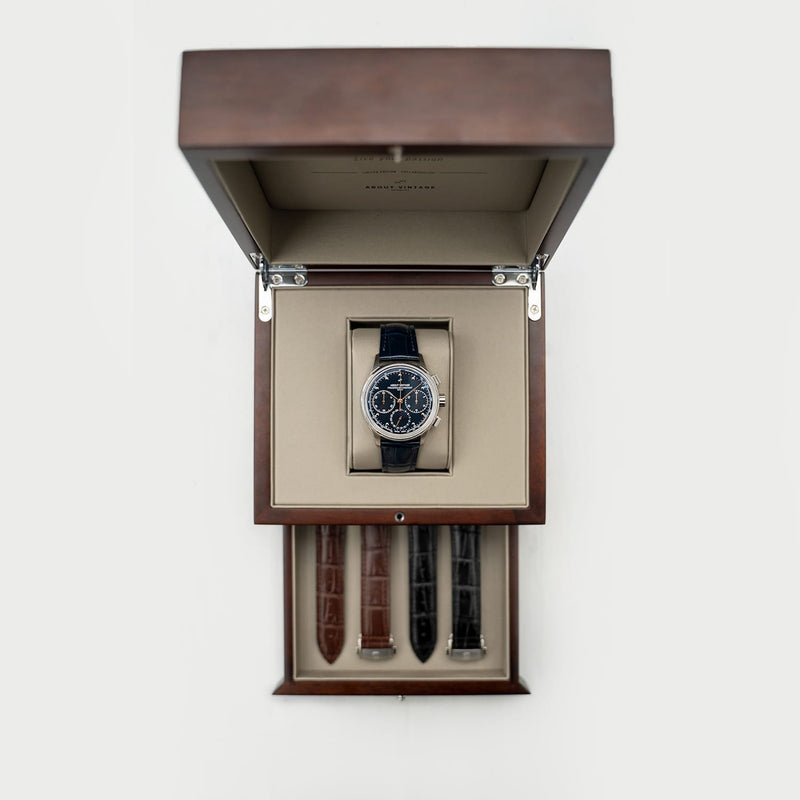
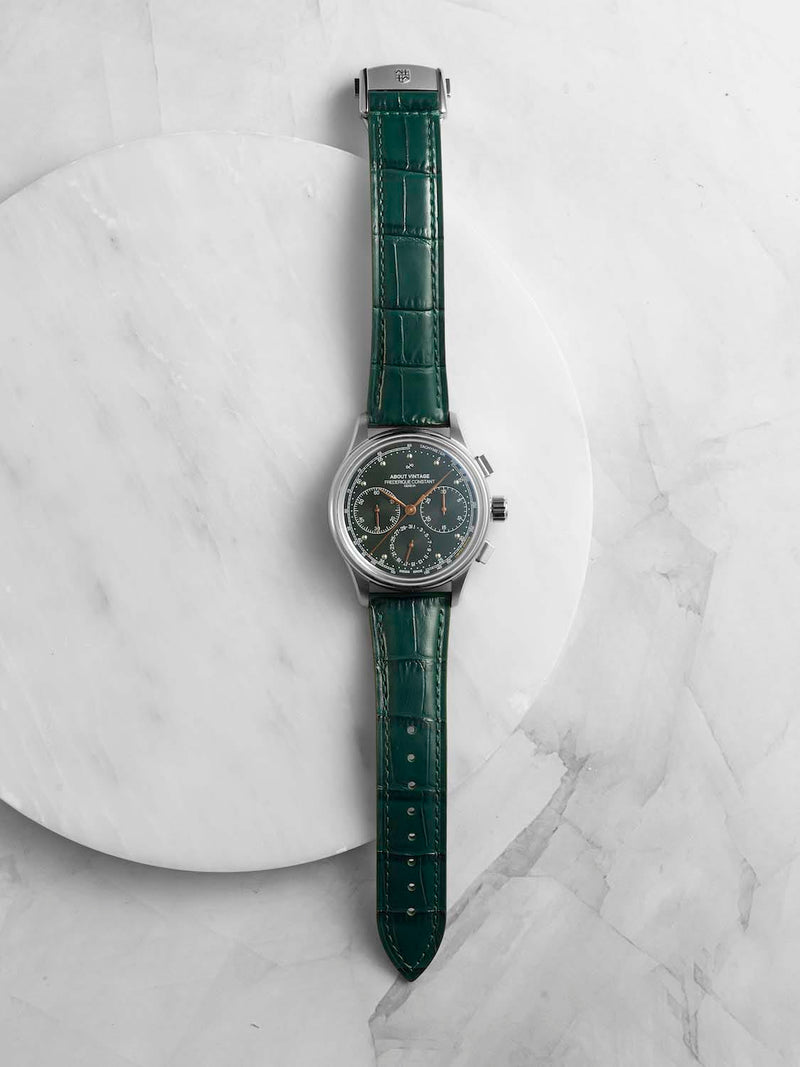
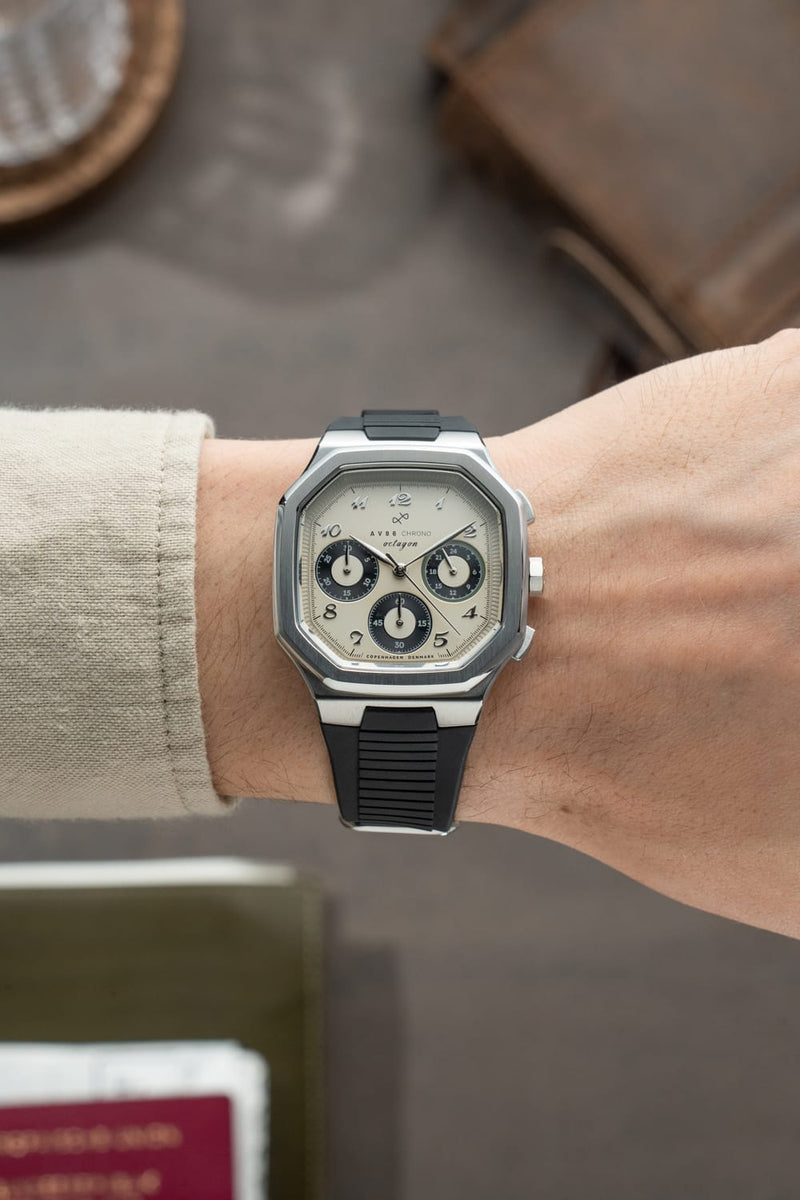
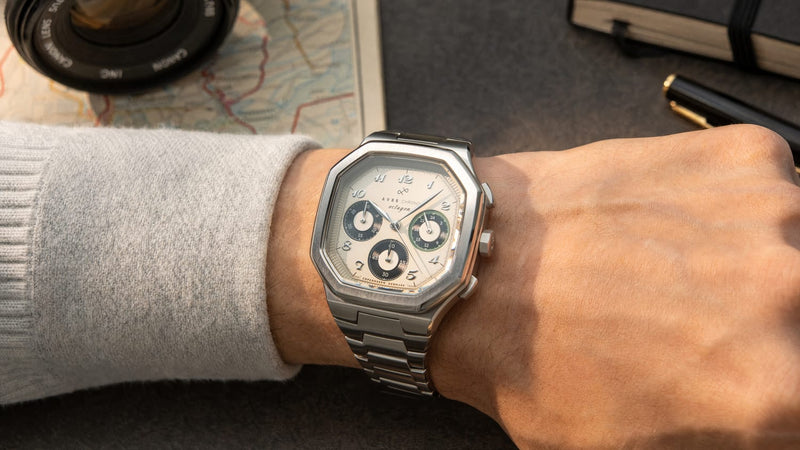
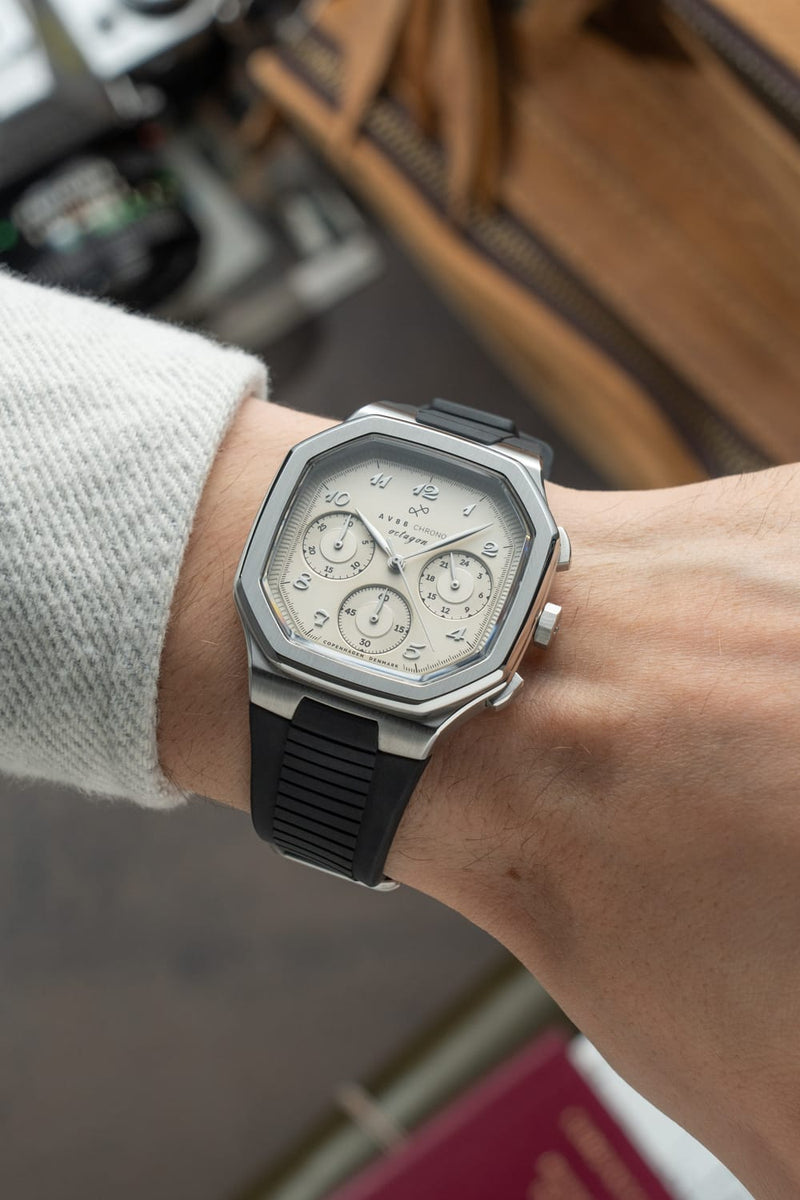
The sub-dials and pushers give a chronograph visual weight that reads as technical or sporty, yet a clean dial layout on a surgical-grade stainless steel case carries formal attire equally well. Our quick-release strap system allows tool-free switching between leather, metal, silicone, and NATO straps, so the same watch moves from a boardroom setting to a weekend without any tools required.
The racing-inspired chronograph models in off-white and midnight blue sit at one end of the dial spectrum, while the sunray blue and green variants read as more refined. Complimentary personal engraving is available on every watch in the collection, making any chronograph a considered gift for a graduation, anniversary, or personal milestone. Free worldwide shipping and a 30-day satisfaction guarantee apply to all orders, so finding the right piece is straightforward.
Frequently asked questions
How do I use the pushers on a chronograph watch?
On a standard two-pusher chronograph, the top pusher, usually at 2 o'clock, starts the stopwatch. Pressing it a second time stops the timer, letting you read the elapsed time on the sub-dials. The bottom pusher, usually at 4 o'clock, resets all chronograph hands back to zero. To time a second event from the same stopped position, press the top pusher again rather than resetting first.
Can I engrave an AV86 chronograph watch?
Yes. We offer complimentary personal engraving on every watch in the collection, including chronographs. This makes them a popular choice for milestone gifts, such as graduations, anniversaries, or personal achievements. Note that engraved watches are non-returnable, so it is worth confirming your choice before adding a personal message.
What strap options are available for AV86 chronograph watches?
Our chronograph watches feature a quick-release strap system that lets you swap between leather, metal, silicone, and NATO straps without any tools. A single watch can be styled differently for sport, everyday wear, or more formal occasions simply by changing the strap at home.